


CAMPAIGN
When An Airport Becomes A Companion
The fourth film in the Hum Karke Dikhate Hain series, ‘Aapke Safar Ke Humsafar,’ reimagines first-time air travel anxiety as a moving story of care, companionship and customer-first service beyond infrastructure.
Juhi Chakraborty
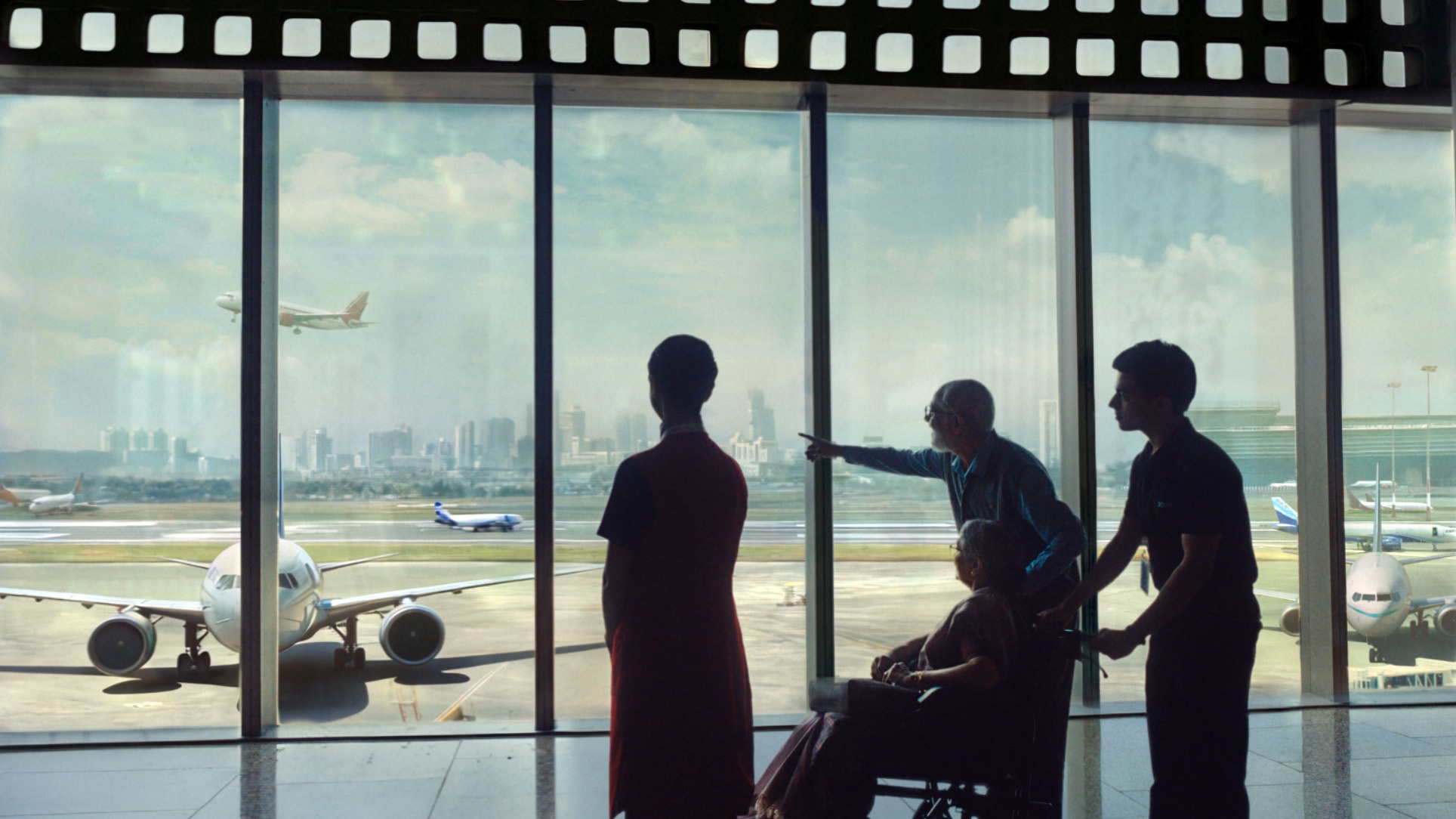
On an ordinary morning inside an Adani Airport, the rush of rolling suitcases, soft boarding calls and hurried footsteps blends into a familiar hum. Yet, for a senior couple preparing for their first-ever international flight, the terminal becomes something entirely different—vast, overwhelming and filled with the weight of the unknown. Their journey, captured in the new brand film ‘Aapke Safar Ke Humsafar’, transforms what could have been a moment of anxiety into a quiet testament of care.
The film is not just another campaign release—it marks a defining chapter in the evolution of the Adani Airports narrative. What began as Chairman Gautam Adani’s rallying belief in Hum Karke Dikhate Hain has steadily shifted from internal philosophy to lived reality across the Group’s businesses. At airports—spaces often associated with efficiency and scale—the idea has taken a gentle, human shape.
A Story Rooted in Everyday Emotion
The film unfolds with a simple premise: a couple clutching a handwritten “parchi” from their son, listing what to do and where to go. It is both endearing and revealing—proof of how the unfamiliar can feel intimidating, even in the most modern environments. When the note goes missing, panic quietly sets in. But what follows is not drama—it is empathy.
An Adani Airport associate steps forward, offering reassurance before assistance. A wheelchair is arranged. Timings are handled. Duty-free aisles become less confusing. A lounge becomes a place to breathe. They are guided—not rushed—to the boarding gate. The airport, often a symbol of transit, becomes instead a place of belonging.
By the time the couple looks back in gratitude, the film has already said what it needs to: world-class infrastructure is only the backdrop. What matters is the feeling one carries forward.
The closing line captures it simply and powerfully: “Sirf world class airports nahi chalate hain… aapke safar mein humsafar ban jaate hain.”
Not operators—companions.
A Creative Collaboration Marked by Legacy
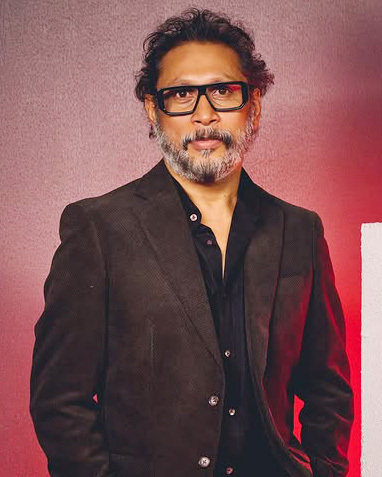
The making of Aapke Safar Ke Humsafar carries emotional weight far beyond the screen. Conceptualised by the Corporate Branding team in partnership with Ogilvy India, the film reflects months of thought around how travel is experienced—not just managed. To bring that sensitivity to the screen, award-winning filmmaker Shoojit Sircar was brought on board. Known for nuanced, human-centred storytelling in films like Vicky Donor, Piku, October and Gulabo Sitabo, that celebrate quiet authenticity, Sircar lends the film a pace and warmth that refuses to hurry the viewer—much like the airport staff who guide its protagonists.
But perhaps the most poignant layer is the film’s connection to the late Piyush Pandey. ‘Aapke Safar Ke Humsafar’ stands among the last creative works personally supervised by the legendary ad man before his passing in Oct 2025. His influence—his instinct for stories anchored in humanity, his belief that emotion outlasts spectacle—runs through the film like an invisible thread.
For those who worked alongside him, the release is more than a campaign milestone. It is a tribute. A moment of gratitude. A continuation of a creative philosophy that will shape the campaign long after the applause fades.
Aapke Safar Ke Humsafar invites the audience to see airports not as stopovers, but as enablers of experience—where service is not transactional, but transformational.
Watch the film here: https://www.youtube.com/watch?v=0NYM1ZTCK14
A tête-à-tête with filmmaker Shoojit Sircar
What was the core emotion or idea that guided your direction of "Aapke Safar Ke Humsafar" and how did you translate it into visual storytelling?
Airports can be overwhelming spaces — the sheer scale of the building, the aircraft, the noise, the constant movement of people. Even frequent flyers sometimes feel lost in this enormity. And then there’s the long chain of procedures: security checks, boarding passes, immigration, lounges, endless walking. It’s a genuine stress point, especially for elderly travellers. That everyday anxiety was the first spark for me — something my own parents would relate to.
The second spark was the idea of someone being there to help. The script didn’t portray assistance as a clinical service; it felt warm and personal. That human connection — almost familial — brought emotional depth to the film and shaped how I approached its visual language.
And finally, although I’ve passed through Mumbai Airport countless times, I had never imagined shooting there. Capturing its scale, energy, and rhythm on camera became an exciting new challenge. Entering that space as a filmmaker, rather than a traveller, was refreshing — and I thoroughly enjoyed it.
Unlike conventional corporate films, this one feels intimate and human. What creative choices helped you strike that balance between scale and simplicity?
When I was speaking to Piyush— he was very fondly invested in this project — we discussed the emotional core. Whenever he and I work together, we naturally gravitate toward things that are high on emotion. He added a brilliant line that your team debated quite a bit in the beginning. The moment he said “Hum hain na aapki parchi” on day one, I knew it was the heart of the film. It brought such joy and intimacy — almost like saying, I am your daughter, I am your son, I am your family. That one line shifted the film from a corporate tone to something deeply personal.
Casting plays a big role in achieving that warmth. What guided your choices for the characters?
Casting was absolutely crucial. The elderly couple needed to look genuinely nervous — like it might be their first time travelling abroad. Their body language, the way they take notes or follow instructions, all had to feel real. The Adani Pranam service girl, played by Chitrangada Satarupa, was equally important. Instead of a modern, stylised face, I wanted someone who radiated compassion and empathy.
The actors who played the elderly couple are seasoned theatre performers who have worked together before, so they immediately fit the roles. And during the creative jam sessions, Harshad Rajadhyaksha and Kainaz Karmakar from Ogilvy shaped the script with great care — they had the time and emotional space to make the film truly special.
Is it more challenging to make a brand-led narrative film than a feature film? And is it creatively compromising in any way? How do you overcome that?
When you make a film like this one — the long version runs two to three minutes — it’s almost like shooting a proper scene from a feature. The challenge usually appears in the shorter edits: the 20- or 30-second cuts, where you have to compress emotion, narrative, and brand message into a very tight frame. That’s where the shift becomes tricky. But with long-format brand films today, the line between advertising and cinema has become very thin. Earlier, ads were strictly 20–30 seconds, and you built the storytelling around that limitation. Now, the format allows you to explore narrative, character, and emotion almost like a feature film.
So, for this film, I didn’t feel any creative compromise at all. The storytelling approach was cinematic, and the emotional core was strong enough to carry it naturally across both formats.
“Hum Karke Dikhate Hain” is a powerful idea by the Adani Group—what does that phrase mean to you personally as a filmmaker? and about this initiative what are your thoughts where was this shot?
I feel that in everything we do these days, the human touch is disappearing. Piyush’s extreme quality was that he brought human touch into everything. So ‘Hum Karke Dikhate Hain’ and Piyush — they connect for me. It’s not only about connection, but also vulnerability — the vulnerability of one actor, one human being. That’s what it means to me. In this film, and in the entire communication, that warmth comes through. And that aligns with the brand — with the kind of thing we are trying to do.