Material matters
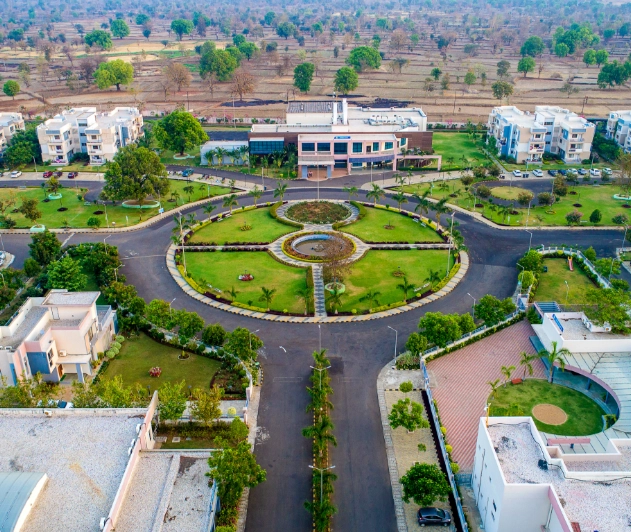
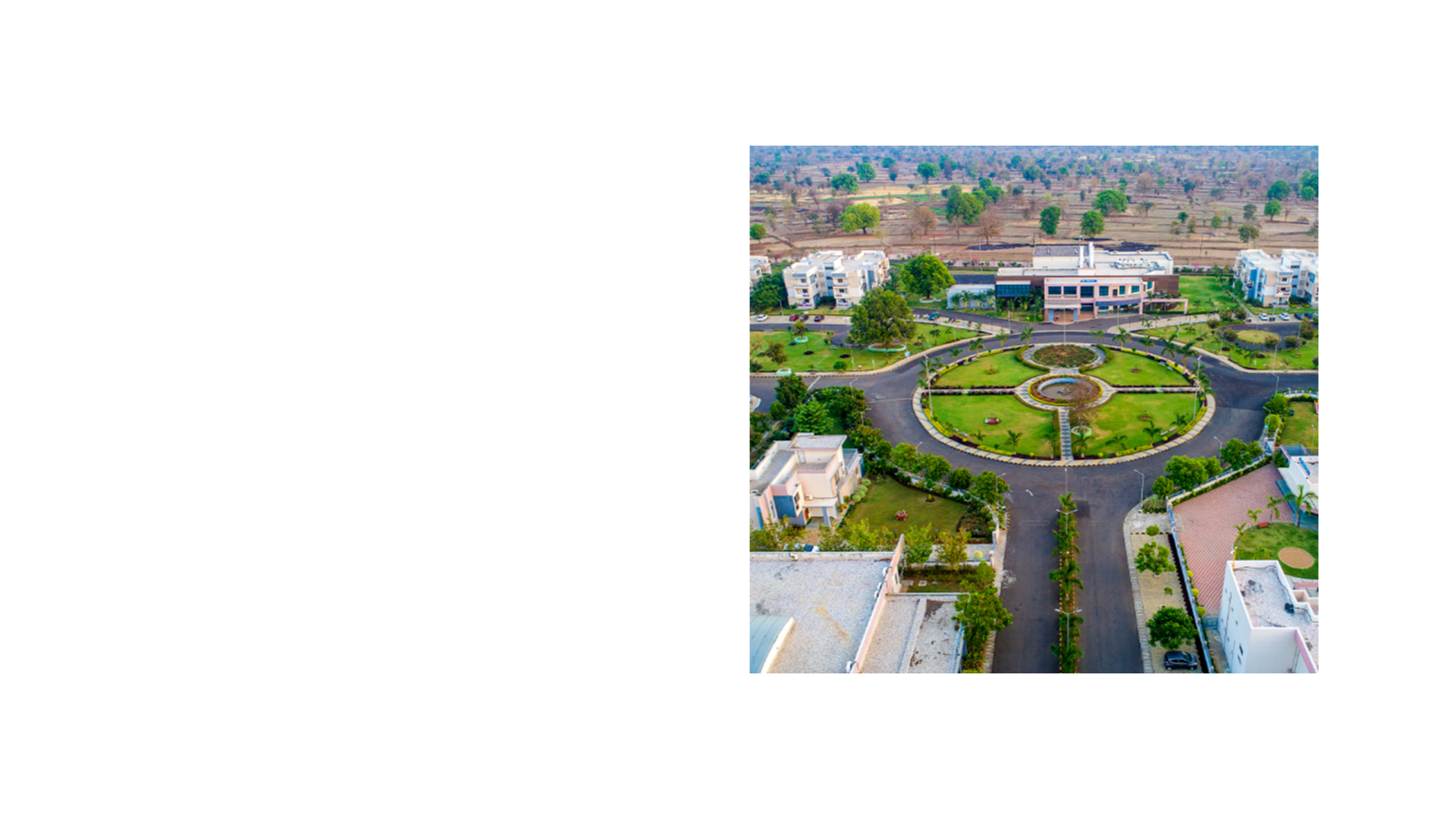
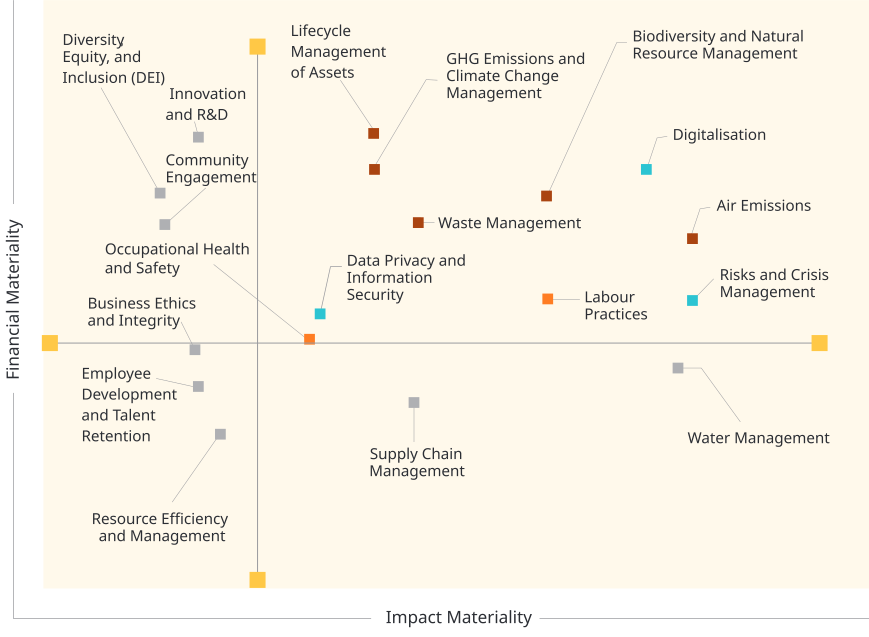
In FY 2023-24, we conducted a double materiality assessment and revisited it in FY 2024-25. Our annual review of the materiality assessment helps ensure that our material topics align with the evolving ESG landscape. As a part of this comprehensive exercise, we interacted with key internal and external stakeholder groups, including investors, shareholders, customers, community members, academia, regulators, and media. The assessment was conducted in accordance with the GRI 3: Material Topics 2021 Standards and European Sustainability Reporting Standards (ESRS) General Disclosures. The double materiality assessment considered two dimensions – impact materiality and financial materiality. Compared to the previous materiality assessment, we have added and retained critical topics such as Digitalisation, Data Privacy and Information Security, Employee Development and Talent Retention, Labour Practices, Diversity, Equity, and Inclusion, Supply Chain Management, and Lifecycle Management of Assets.
Our double materiality assessment covers the corporate office, thermal and solar plants, and subsidiaries. There has been no change in our operational scope or boundary compared to the previous reporting period.
To assess impact materiality, we evaluated our organisation’s context, business operations, sector, and business relationships to determine our actual and potential impacts on the economy, environment, and people. These impacts were categorised based on their nature – positive or negative, reversible or irreversible, intended or unintended, and short-term or long-term. These impacts were further assessed to establish their significance and prioritise them based on severity (scale, scope, and irremediable character) and the likelihood of occurrence.

We identified risks and opportunities linked to these impacts and assessed their potential effects on Adani Power’s financial performance and position over the short, medium, or long term. Our senior leadership assessed these impacts to determine the financial implications based on the likelihood of occurrence and potential financial effects of associated risks and opportunities.
For financial materiality, we identified risks and opportunities linked to these impacts and assessed their potential effects on Adani Power’s financial performance and position over the short, medium, or long term. Our senior leadership assessed these impacts to determine the financial implications based on the likelihood of occurrence and potential financial effects of associated risks and opportunities.
The next step in the assessment process involved gathering inputs from identified stakeholders through a materiality assessment questionnaire. The responses to the questionnaire were analysed, and material topics were prioritised and mapped onto a Materiality Matrix. Our senior leadership reviewed the identified material topics. We consider the topics identified as significant and integrate their mitigation action plans into our Enterprise Risk Management (ERM) framework.


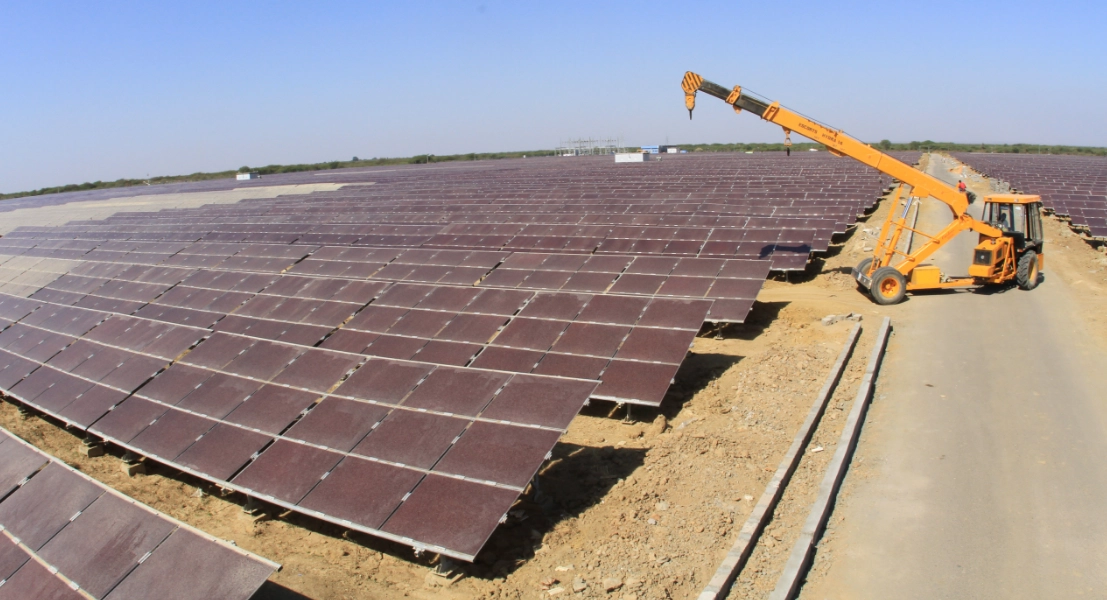
GRI 305


Risk: Adverse impact on ecosystem, air quality, agriculture, and human and animal health.

Expansion of thermal power and mining activities contributes to air pollution and can cause respiratory and cardiovascular diseases, leading to increased morbidity and mortality rates for people living in the communities and surrounding vicinity of the power plants.

Performance Against KPIs |
FY 2024-25 |
FY 2023-24 |
|---|---|---|
|
Significant air emissions (NOx, SOx, PM) |
✓ | ✓ |
-

Risk: Conversion of assets into stranded assets

Stranded assets in thermal power plants are those assets that are unable to earn their original economic return as a result of changes associated with the energy transition.

Performance Against KPIs |
FY 2024-25 |
FY 2023-24 |
|---|---|---|
|
Public policy initiatives |
✓ | ✓ |
|
Contributions to trade associations |
✓ | ✓ |
Expand capabilities to deliver the nation’s energy needs,
Sustainability to support the low carbon eco-system,
Leveraging digital technology to enhance business delivery sustainability to support the low carbon eco-system,
Achieve benchmark operations, attain market leadership, and outperform set objective

GRI 306


Risk: Pollution due to waste disposal. Moreover, accumulation of heavy metals/metalloids in the vicinity of the power plant, and changes in the characteristics of the soil.
Opportunity: Reducing the need for virgin materials through re-use

Waste generated if not disposed of correctly may result in pollution of land, water, and air. It may also pose regulatory and reputational risks in the long term.

The reuse of waste as byproducts helps in effective waste management and reduces the effective need for virgin materials.

Performance Against KPIs |
FY 2024-25 |
FY 2023-24 |
|---|---|---|
|
Fly ash utilisation rate |
✓ | ✓ |
|
Sites certified as single-use plastic free |
✓ | ✓ |
|
Waste generated |
✓ | ✓ |
GRI 304

Risk: Change in land use patterns. Loss of habitat and degradation of the natural ecosystem.

The construction of thermal power plants and excessive infrastructure can alter local landscapes, affect communities, and impact biodiversity and natural landscape

Regulatory restrictions on land use impede expansion

Proactive restoration efforts mitigate losses

Performance Against KPIs |
FY 2024-25 |
FY 2023-24 |
|---|---|---|
|
No net loss |
✓ | ✓ |
|
Protection of native species |
✓ | ✓ |
GRI 302, 305

Risk: Increase in greenhouse gas emissions leading to climate change
Opportunity: Reduction of carbon emissions through shadow pricing
We have a four-pronged strategy in place to mitigate the negative impacts of our operations on the environment and combat climate change: strict compliance to standards and regulations; continually measuring our footprint to establish realistic targets; integrating emission reduction technologies across our operations, and monitoring and reporting our performance and commitments.

GHG emissions from the operations can attract scrutiny from regulatory bodies, NGOs, and activists for contributing to global warming. This can negatively affect the Company's bottom line.

Shadow pricing enhances strategic planning and drives low-carbon investment, energy efficiency solutions, and innovative technologies, thereby changing internal behaviour and seizing low-carbon opportunities.

Performance Against KPIs |
FY 2024-25 |
FY 2023-24 |
|---|---|---|
|
Electricity consumption |
✓ | ✓ |
|
GHG emissions |
✓ | ✓ |
GRI 402, 407-411


Risk: Violation of human rights principles impacting stakeholders and brand reputation
Opportunity: Reduced risks of human rights violations through policies
Alignment with the human rights principles safeguards the employees and value chain partners, as well as protects the Company from any non-compliance concerning International and National Human Rights Standards.

Allowing child labour and forced labour or any other human rights-related aspects within the workforce may lead to statutory violations. Furthermore, any incidents of child labour or forced labour, human trafficking or other such incidents occurring across the value chain may lead to the deprivation of basic human rights.

Performance Against KPIs |
FY 2024-25 |
FY 2023-24 |
|---|---|---|
|
Instances of human rights practice breach |
✓ | ✓ |
|
No. of human rights issues raised/reported |
✓ | ✓ |
GRI 403

Risk: Increase in hazards and accidents at the workplace workplace
We have adopted and implemented the Adani Group’s Safety Management System to prevent work-related injuries and illnesses, minimise risks and uphold our commitment to a ‘Zero harm to life’ philosophy.
Increased investments in OHS measures

Higher safety standards improve operational stability and productivity

Performance Against KPIs |
FY 2024-25 |
FY 2023-24 |
|---|---|---|
|
TRIFR / LTIFR |
✓ | ✓ |
|
Fatality |
✓ | ✓ |
-

Opportunities: Reduced unplanned outages and downtime. Digitalisation helps reduce the frequency of unplanned outages through better monitoring and predictive maintenance, as well as limit the duration of downtime by rapidly identifying the point of failure. It can further help achieve greater efficiencies through improved planning, increased energy efficiency in power plants, and reduced loss rates in networks, as well as better project design throughout the overall power system.
-

Increased investments in cost and environment-efficient technologies

Plant modernisation and R&D improves efficiency, mining and supply chain operations, resulting in cost savings and sustainability

Performance Against KPIs |
FY 2024-25 |
FY 2023-24 |
|---|---|---|
|
R&D investments |
✓ | ✓ |
|
Capex in plant modernisation |
✓ | ✓ |
-
Opportunity: Long-term value creation through effective risk and crisis management practices. Risk management is the systematic process of identifying, assessing, and mitigating threats or uncertainties that affect an organisation. It involves analysing risks’ likelihood and impact, developing strategies to minimise harm, and monitoring measures’ effectiveness. When an organisation develops a risk management plan, it identifies risks across all attributes to devise a strategy to manage and mitigate them. This helps in increased preparedness and awareness about possible risks in the future while creating long-term value for the stakeholders.
-

Investments in enhancing business resilience and upgrading redundant systems

Improvement in risk mitigation capabilities and operational resilience

Performance Against KPIs |
FY 2024-25 |
FY 2023-24 |
|---|---|---|
|
Assessing Risk |
✓ | ✓ |
|
Business continuity plan |
✓ | ✓ |
GRI 418

Risk: Threat to data safety due to potential lapse in IT systems
Opportunity: Earn the trust of employees and customers through enhanced IT security systems
We have implemented SOPs and policies for conducting periodic internal and external (third-party) audits and tests to monitor the resilience of the IT infrastructure from hackers, cyber-attacks, malware, etc

Instances of information security breaches leads to the loss of sensitive data of customers including personal information.

Enhanced IT security and defence measures help Adani Power earn the trust of employees and customers, differentiate itself from competitors, and create a resilient foundation for long-term value creation
Negative publicity and increased media scrutiny results in a loss of stakeholder trust, reputation, and regulatory fines or penalties.

Performance Against KPIs |
FY 2024-25 |
FY 2023-24 |
|---|---|---|
|
Number of data/ information breaches |
✓ | ✓ |

References: Absa IR 2023 Page 24: For impact on capitals and other linkages https://www.absa.africa/wp-content/uploads/2024/04/Absa-Group-Limited-Integrated-Report.pdf


