×

Materiality assessment
What matters most for a resilient future

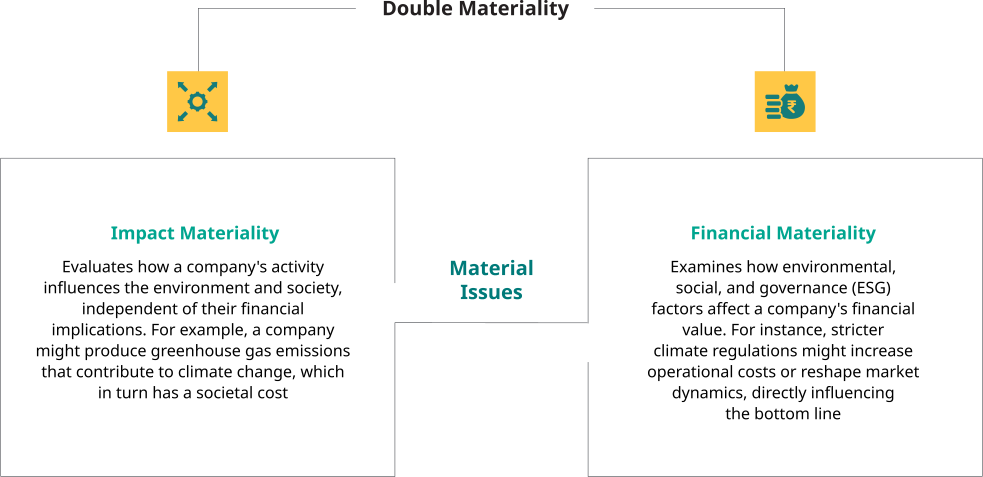
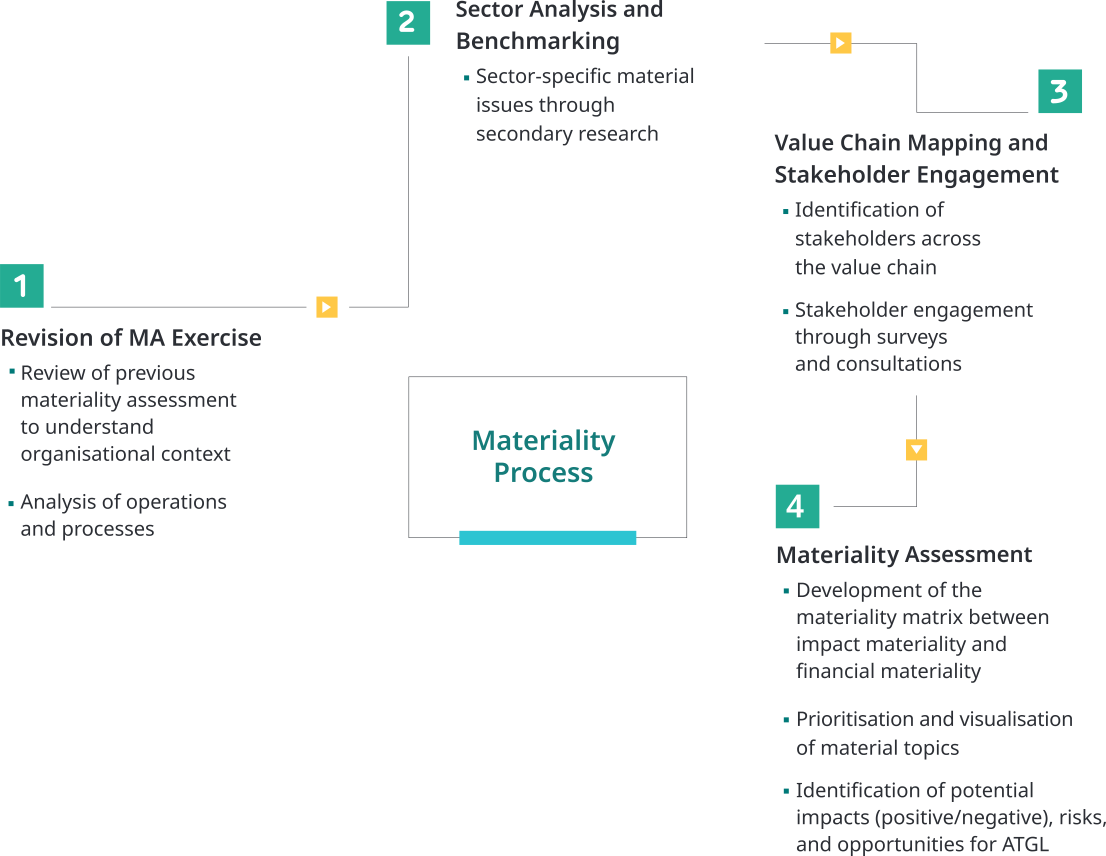
Our materiality assessment is a journey of discovery that examines what truly matters from every angle. By embracing a double materiality approach, we merge insights from our investors, regulators, communities, and customers with our own business priorities.

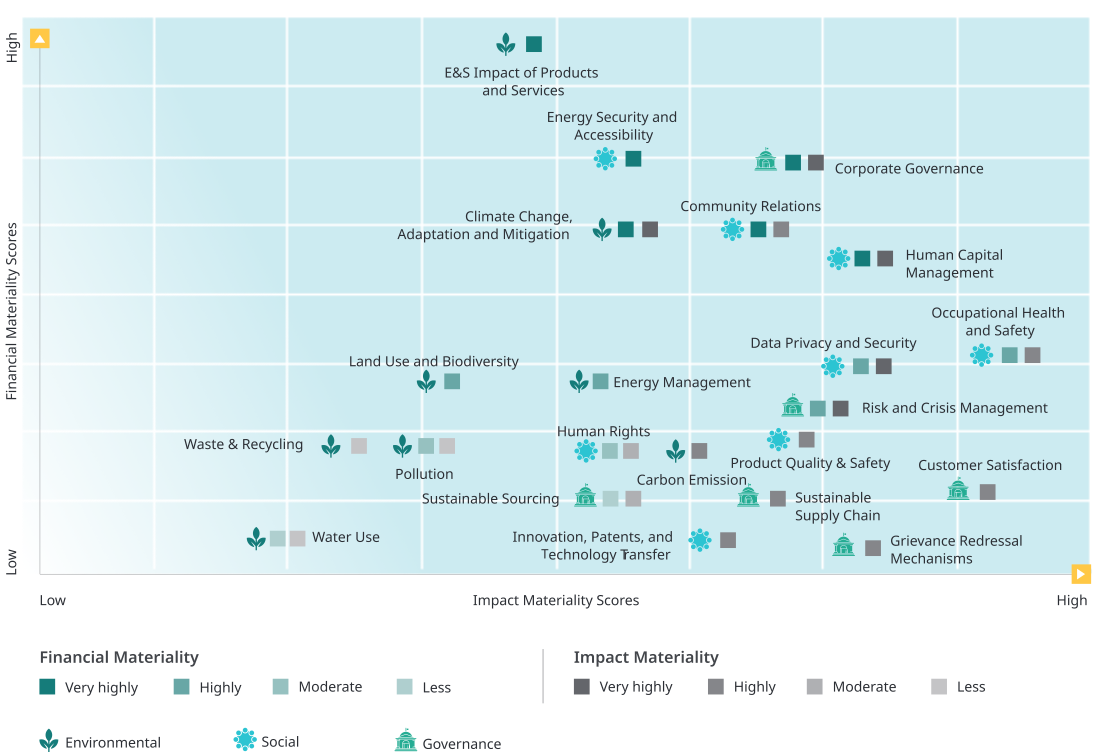
We review our material issues every three years. We engaged with an external consulting agency to help us in conducting double materiality assessment in the year 2024-25 to gain holistic and deeper insights into our material issues. In double materiality dual lens not only highlights our external impact on the environment, society, and economy, but also illuminates the financial and operational risks that ESG factors present to our business. The result is a carefully prioritised map of material topics that guides our strategy, aligns with stakeholder expectations, and reinforces our commitment to sustainable growth. Through this process, we continuously refine our focus and actions, ensuring that every step we take is grounded in what matters most.
Materiality Matrix
Our Proactive Approach to Managing Material Matters
Capitals

FinancialCapital

Manufactured Capital

Intellectual Capital

Human Capital

Social andRelationship Capital

Natural Capital

Stakeholders

Customers

Investors &Shareholders

Employees

Communities

Suppliers /Vendors

Government

Regulators

Social Partners

Strategic Priorities
S1

InfrastructureDevelopment

S2

Gas Sourcingand VolumeEnhancement

S3

Cost Leadershipthrough DigitalFirst Approach

S4

Responsible Corporate Citizenship

S5

Preparing for LowCarbon Future

GRI BRSR

GRI 2

GeneralDisclosures

GRI 201

EconomicPerformance

GRI 302

Energy

GRI 305

Emissions

GRI 404

Training and Education

GRI 405

Diversity and Equal Opportunity

GRI 413

Local Communities

Environment

Material Topic
Climate Change Adaptation and Mitigation

ATGL faces both physical and transition climate risks. Extreme weather events, rising temperatures & infrastructure vulnerabilities can disrupt operations and impact service reliability. Additionally, transition risks such as carbon pricing, stricter environmental regulations, and shifting consumer preferences may affect long-term profitability. Regulatory non-compliance, outdated infrastructure, and supply chain disruptions could lead to financial instability, increased operational costs and reputational harm.


GRI Alignment

GRI 201

GRI 305

BRSR Alignment

PRINCIPLE 2

PRINCIPLE 6

PRINCIPLE 8

SDG Alignment

Financial Impact

Positive/Negative

Impact

Positive Impacts
  • Natural gas serves as a bridge fuel, reducing dependency on coal and liquid fuels, thereby lowering carbon intensity. Further, the investments in compressed biogas (CBG) and EV infrastructure contribute to clean energy solutions and lowering carbon footprint in the environment
  • Strengthening gas infrastructure to withstand extreme weather events enhances energy reliability to the customers. Adoption of climate-resilient technologies in gas distribution improves operational continuity
Negative Impacts
  • Fugitive methane emissions from distribution grid and pipelines have a high global warming potential (GWP). End-use combustion of natural gas also contributes to CO2 emissions and subsequently to climate change
  • Extreme weather events (heatwaves, floods, cyclones) can damage gas infrastructure, disrupt supply chains, pose safety risks for the environment and end-users/local communities
Risk or Opportunity

Risk as well as opportunity

KPI

  • Carbon Emission Reduction
  • Methane Leak Reduction
  • Increase Renewable Energy Share
  • Climate Risk Preparedness Index
  • Energy Efficiency Improvements

Mitigating Action

To address these challenges, ATGL is proactively investing in renewable energy alternatives, methane leak detection, to reduce emissions and enhance sustainability. Strengthening gas infrastructure against climate-related disruptions improves operational continuity, while innovations in clean energy and decarbonisation help align with India's clean energy goals and regulatory expectations.


Capitals Impacted

Stakeholders Impacted

Strategic Priorities

S1 S2 S3
Material Topic
E&S Impact of Products and Service

It is important for the companies to comprehend the lifecycle impact of their products and services on environment and communities, from production to disposal. Non-renewable fuel sources have a substantial environmental footprint. Any accidental spills and leakages may cause adverse impact on environment as well as the nearby communities. Furthermore, demand fluctuation for end-products due to changing consumer preferences can cause revenue volatility and affect operational efficiency, creating financial uncertainty.


GRI Alignment

GRI 302

GRI 305

GRI 416

BRSR Alignment

PRINCIPLE 2

PRINCIPLE 6

PRINCIPLE 8

SDG Alignment

Financial Impact

Positive/Negative

Impact

Positive Impacts
  • Clean energy alternative products reduce GHG emissions and air pollutants compared to coal and liquid fuel, thus improving air quality (indoor and outdoor)
  • Diversification into CBG supports a circular economy ecosystem, utilising agricultural and organic waste thus reducing environmental impacts and improving farmers’ livelihoods
Negative Impacts
  • Pipeline leaks, spills, and accidental fires pose risks to ecosystems, soil, and water bodies. Gas leaks and explosions can endanger workers and nearby communities
  • Land use for CBG plants and gas distribution networks may impact local biodiversity
  • Combustion of natural gas still releases CO2, contributing to climate change
Risk or Opportunity

Risk as well as opportunity

KPI

  • Continuous Supply of Clean Energy Fuel
  • Adoption of Circular Economy Approach
  • Energy Efficiency Improvements
  • Measurement & Reduction of Leakage

Mitigating Action

  • Diversification into E-Mobility and Compressed Biogas (CBG) businesses to offer clean energy solutions to consumers and lower GHG emissions from natural gas usage
  • Leak Detection and Repair (LDAR) programme to detect methane leaks in the gas grids

Capitals Impacted

Stakeholders Impacted

Strategic Priorities

S4 S5

Governance

Material Topic
Corporate Governance

Corporate governance is essential for ATGL to ensure regulatory compliance, risk management, and stakeholder trust. Given the stringent environmental and financial regulations in India's energy sector, weak governance could lead to legal penalties, operational shutdowns, and reputational damage. Poor risk oversight may expose the Company to compliance failures, financial mismanagement, and stakeholder distrust. Additionally, governance gaps could make ATGL vulnerable to crisis events such as gas supply disruptions, cyber threats, and extreme weather impacts. A lack of responsible supply chain management may also result in ethical sourcing issues, labour rights violations, and environmental risks.


GRI Alignment

GRI 2

GRI 405

BRSR Alignment

PRINCIPLE 1

SDG Alignment

Financial Impact

Positive/Negative

Impact

Positive Impacts
  • Regulatory compliance and risk management
  • Enhanced transparency and stakeholder trust
  • ESG integration and long-term sustainability
  • Operational efficiency and business continuity
Negative Impacts
  • Regulatory violations and legal risks
  • Loss of investor and market confidence
  • Operational and financial risks
  • Reputational damage and stakeholder backlash
Risk or Opportunity

Risk as well as opportunity

KPI

  • Board Independence
  • Monitoring of regulatory Compliance Cases
  • Monitoring of Whistleblower Complaints & Resolution Rate
  • Cybersecurity Incidents
  • ESG Risk Oversight
  • Energy Efficiency Improvements

Mitigating Action

To address these risks, ATGL maintains strong governance frameworks, Board oversight, and ESG integration to ensure legal adherence and operational stability. The Company enforces transparent governance policies to uphold ethical business conduct, financial integrity, and regulatory compliance. Board-level ESG oversight and sustainability reporting help proactively manage environmental risks related to carbon emissions and energy transition. Additionally, governance mechanisms support crisis preparedness, enhancing resilience against supply disruptions, cyber threats, and climate-related challenges.


Capitals Impacted

Stakeholders Impacted

Strategic Priorities

S1 S2 S3 S5

Social

Material Topic
Energy Security and Accessibility

ATGL's energy security is critical for business continuity, regulatory compliance, and customer satisfaction. Disruptions in gas supply, geopolitical risks, infrastructure failures, and global energy price volatility could lead to supply shortages, financial losses, and reputational damage. Climate-related risks further threaten gas supply chains and long-term energy stability.


GRI Alignment

GRI 302

BRSR Alignment

PRINCIPLE 2

PRINCIPLE 8

PRINCIPLE 9

SDG Alignment

Financial Impact

Positive

Impact

Positive Impacts
  • Reliable and stable energy supply for households, industries, and transportation
  • Ensures affordable and cleaner energy access to urban and rural communities by reducing dependence on polluting fuels like coal, firewood, and diesel, improving public health and air quality
Risk or Opportunity

Risk as well as opportunity

KPI

  • Ensure Gas Supply Reliability
  • Unplanned Service Disruptions (Count/Year)
  • Increase Energy from Renewable Sources
  • Infrastructure Expansion Rate
  • Customer Accessibility & Affordability Index

Mitigating Action

ATGL mitigates these risks by strengthening infrastructure, diversifying energy sources, and investing in digital monitoring systems. Expanding CGD networks, integrating CBG and EV infrastructure, and aligning with government policies enhances resilience and accessibility while supporting India's clean energy transition.


Capitals Impacted

Stakeholders Impacted

Strategic Priorities

S1 S2 S5
Material Topic
Human Capital Management

ATGL relies on a skilled workforce for safe operations and energy innovation. Weak workforce policies, inadequate training, or lack of diversity initiatives can lead to higher attrition, safety incidents, regulatory penalties, and reputational damage. Failure to invest in employee well-being and upskilling may impact productivity, compliance, and long-term competitiveness.


GRI Alignment

GRI 404

BRSR Alignment

PRINCIPLE 1

PRINCIPLE 3

PRINCIPLE 4

PRINCIPLE 5

PRINCIPLE 8

SDG Alignment

Financial Impact

Positive/Negative

Impact

Positive Impacts
  • Strong HSE policies reduce workplace accidents, lowering liability costs
  • Wellness programmes and upskilling enhance productivity and retention, reducing hiring costs
  • Transparent engagement improves workplace culture, minimising legal risks
  • Fair labour practices and career growth drive employee satisfaction and operational efficiency
  • Diversity initiatives attract top talent and strengthen industry reputation
Negative Impacts
  • Occupational hazards in gas handling increase healthcare and compliance costs
  • Gender diversity challenges may limit talent acquisition and inclusivity
  • Wage disparities and contractual employment risks can lead to labour disputes and reputational damage
Risk or Opportunity

Risk as well as opportunity

KPI

  • Monitoring & reduction strategy for Employee Safety Incident Rate
  • Training & Development Hours per Employee
  • Employee Engagement & Satisfaction Index
  • Increase Workforce Diversity
  • Reduce Attrition Rate

Mitigating Action

ATGL ensures workplace safety, fair labour practices, and employee well-being through strong ESG-aligned policies, training programmes, and engagement strategies. Investing in digitalisation and clean energy upskilling enhances workforce readiness, operational efficiency, and stakeholder trust.


Capitals Impacted

Stakeholders Impacted

Strategic Priorities

S1 S2 S3 S4
Material Topic
Community Relations

ATGL's operations impact local communities, making strong community relations essential. Poor engagement, lack of grievance redressal, or environmental concerns can lead to local resistance, protests, legal disputes, project delays, and reputational damage. Social unrest due to displacement concerns or inadequate consultation may attract regulatory scrutiny.


GRI Alignment

GRI 413

BRSR Alignment

PRINCIPLE 4

PRINCIPLE 8

PRINCIPLE 9

SDG Alignment

Financial Impact

Positive/Negative

Impact

Positive Impacts
  • CGD expansion improves energy access, reducing reliance on costly, polluting fuels
  • Investments in CBG and EV infrastructure generate jobs, boost local economies, and support MSMEs
  • Health, education, and environmental programmes enhance community well-being, strengthening public trust
Negative Impacts
  • Infrastructure expansion may lead to land disputes and resettlement costs
  • Gas leaks or environmental hazards can result in legal liabilities and remediation expenses
  • Lack of transparency or grievance mechanisms may cause social unrest and reputational damags
Risk or Opportunity

Risk as well as opportunity

KPI

  • Number of Community Engagement Programmes
  • CSR Investment (% of Revenue)
  • Increase Grievance Resolution Rate
  • Increment in Local Hiring Rate
  • Improve Social Impact Score

Mitigating Action

ATGL fosters public trust and social acceptance through proactive stakeholder engagement, grievance mechanisms, and CSR initiatives. Investments in education, health, and clean energy programmes strengthen community goodwill and long-term stakeholder trust while minimising conflicts.


Capitals Impacted

Strategic Priorities

S1 S4

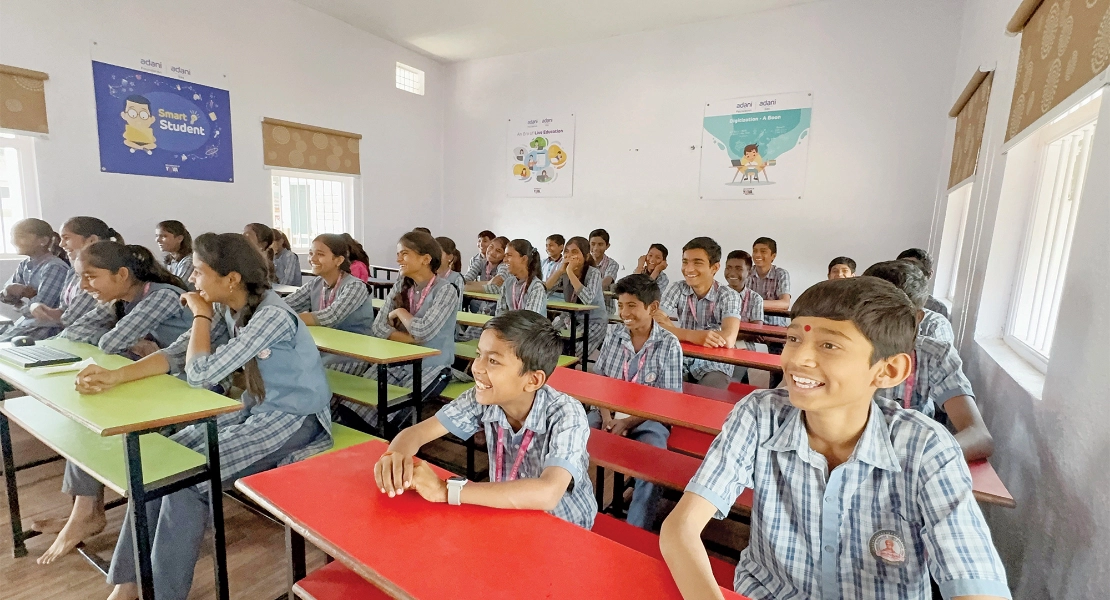
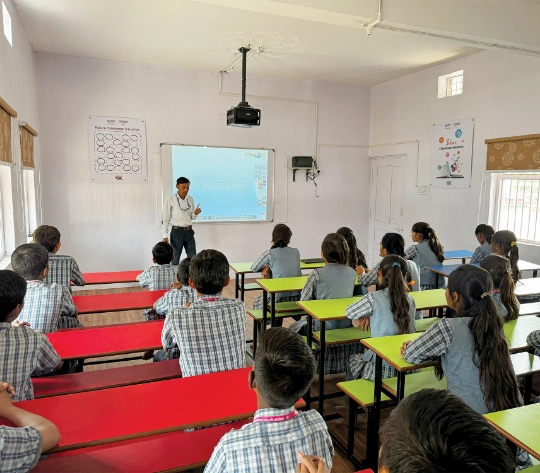
Smart Classroom - Our CSR Initiative