


Efficient Water Management
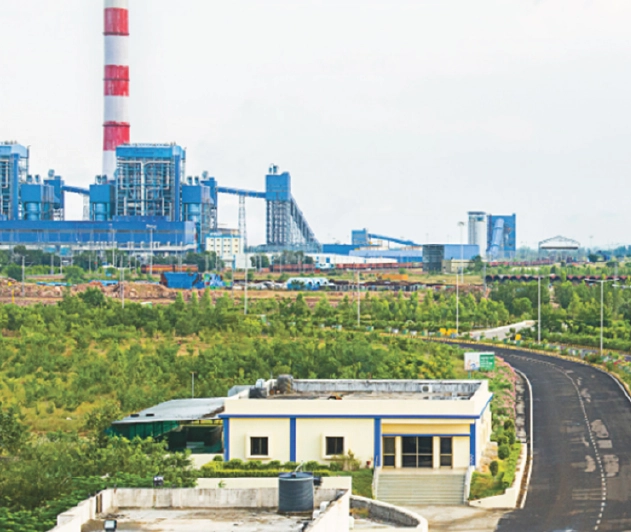
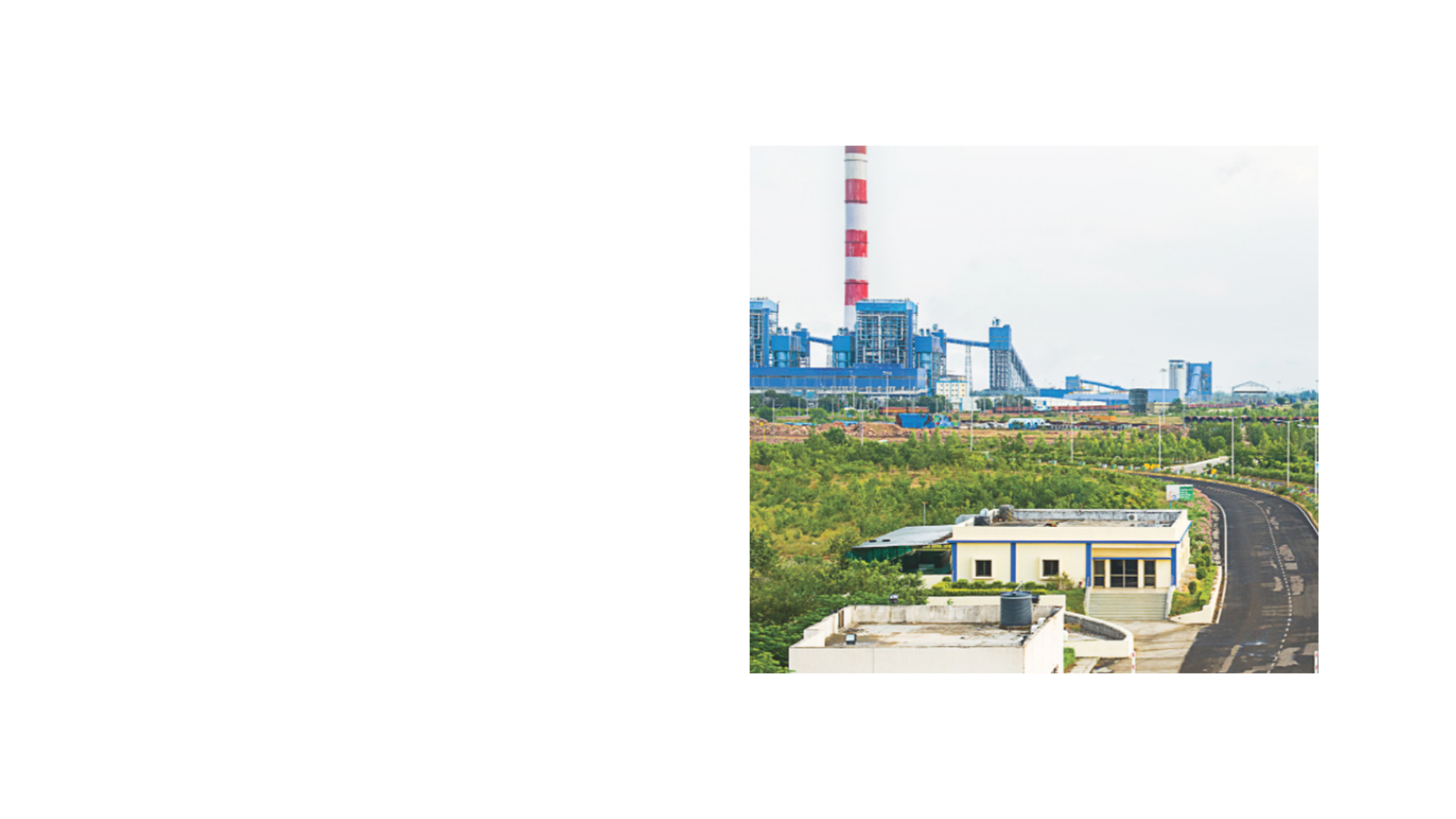
Water management is an integral part of our operations, reflecting its importance as a key resource. Our thermal facilities make efficient use of surface and seawater for cooling and steam generation, ensuring resources are allocated responsibly.
To support water conservation, our hinterland units are equipped with Zero Liquid Discharge (ZLD) systems, which minimises freshwater withdrawal by promoting recycling and reuse. By keeping water consumption well below statutory limits, we continue to follow sustainable practices while ensuring responsible resource use.
Advancing Water Management Initiatives
- Utilised seawater at coastal plants and surface water at hinterland plants to optimise resource allocation and address regional water availability challenges. Recycled and reused water is employed for gardening, ash handing and dust suppression, eliminating reliance on natural water sources
- Conducted source sustainability studies for hinterland plants using historical data from the Indian Meteorological Department to mitigate future risks associated with water availability during summers
- Improved groundwater recharge through watershed management initiatives, including de-silting and cleaning community water ponds at Tiroda, Maharashtra, and other locations
- Developed water storage capacities to sustain 53 days of operations at the Tiroda plant and 23 days at the Kawai plant, ensuring continuity during lean seasons while minimising stress on surface water resources
- Achieved specific water consumption of 2.29 m³/MWh for hinterland plants, well below the statutory limit of 3.5 m³/MWh, and set internal consumption targets for seawater-based power plants, aligning performance with these benchmarks
Water Consumed from various Sources (in m3)
| Parameter | FY 2024-25 | FY 2023-24 | FY 2022-23 | FY 2021-22 | FY 2020-21 |
|---|---|---|---|---|---|
| Surface Water | 15,70,51,691 | 14,44,94,214 | 11,27,77,523 | 9,94,27,453 | 8,79,85,734 |
| Rainwater | 0 | 18,48,490 | 33,29,892 | 8,11,875 | 7,19,340 |
| Seawater | 59,51,27,288 | 25,17,91,455 | 10,56,21,410 | 10,71,00,359 | 25,39,89,549 |
| Purchased Water | 4,425 | 4,966 | 4,966 | 445 | 6,255 |
| Total | 75,21,83,404 | 39,81,40,055 | 22,17,29,020 | 20,73,40,132 | 34,27,00,878 |
53 days
Water storage capacity at Tiroda supports continuous operations during lean seasons
Specific Water Consumption (m3/MWh)
| Plant Name | FY 2024-25 | FY 2023-24 | FY 2022-23 | FY 2021-22 | FY 2020-21 |
|---|---|---|---|---|---|
| Bitta Solar Plant | 0.13 | 0.11 | 0.01 | 0.01 | 0.10 |
| Mundra TPP | 1.77 | 1.69 | 1.74 | 1.84 | 1.68 |
| Tiroda TPP | 2.23 | 2.34 | 2.34 | 2.33 | 2.52 |
| Kawai TPP | 2.31 | 2.61 | 2.54 | 2.28 | 2.37 |
| Udupi TPP | 2.98 | 2.92 | 5.13 | 6.60 | 4.16 |
| Raipur TPP | 2.29 | 2.26 | 2.27 | 2.07 | 2.28 |
| Raigarh TPP | 2.32 | 2.45 | 2.35 | 2.46 | 2.49 |
| Godda TPP | 2.14 | 2.23 | 1.80 | NA | NA |
| Dahanu TPP | 0.51 | NA | NA | NA | NA |
| MEL, Mahan TPP | 2.58 | 2.68 | 2.74 | NA | NA |
| MPGL, Thoothukudi | 3.08 | NA | NA | NA | NA |
| KPL, Korba | 2.21 | NA | NA | NA | NA |
| Adani Power | 2.17 | 2.25 | 2.35 | 2.32 | 2.19 |
NA- Not Applicable
Water Risk Assessment
We have undertaken detailed water risk assessments across all operational sites, addressing physical water risks, regulatory compliance, and the impact on stakeholders. Tools such as the India Water Tool and WRI Aqueduct have been used for scenario analysis to understand seasonal variations in water availability. This has allowed us to develop measures to minimise potential disruptions and ensure continued operations.
To enhance our understanding of water consumption patterns, we utilise the EcoLab Smart Water Meter tool, complemented by Environmental Impact Assessments (EIAs) conducted before project commissioning. These practices are supported by daily water quality monitoring certified by NABL-accredited laboratories. Our Integrated Management Systems (IMS) and Environmental Management Plans (EMPs) are tailored for each site to mitigate any adverse effects on water ecosystems, surrounding communities, and human health.
Wastewater Treatment
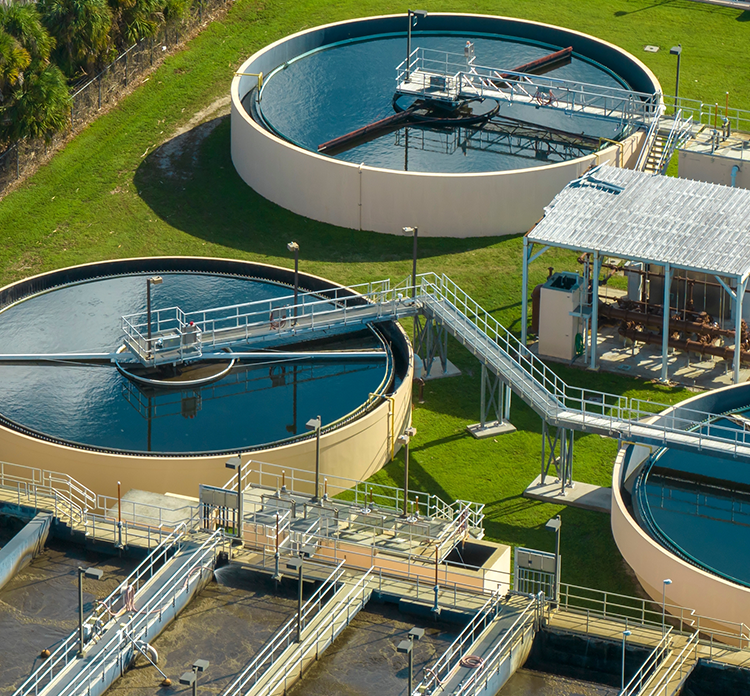
Our water inventory includes diverse sources such as water for power generation, evaporated cooling water, domestic sewage, and stormwater runoff. To ensure efficient management, we monitor water withdrawal and discharge through a structured operational control system.
Before discharge, wastewater is treated using Sewage Treatment Plants (STPs) and Effluent Treatment Plants (ETPs), effectively removing chemical and biological contaminants. Our processes strictly adhere to the guidelines set by the Central and State Pollution Control Boards (CPCB and SPCB). Additionally, our hinterland thermal power plants operate with Zero Liquid Discharge systems, ensuring that all water is recycled or reused, further reinforcing our commitment to responsible wastewater management.
ISO 46001:2019
Certification received for Water Efficiency Management Systems


