Biodiversity management
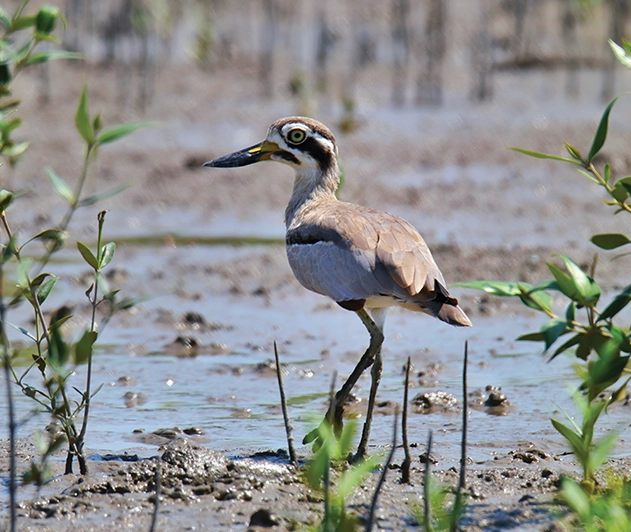

By aligning with global biodiversity goals such as contributing to a "nature positive future", AEL ensures its governance is informed by international standards and best practices. The adoption of a structured mitigation hierarchy introduces a systematic approach, integrating ecological considerations into all decision-making processes. AEL's efforts towards no net deforestation and managing invasive species require robust monitoring mechanisms, enhancing transparency and accountability.
To strategically and measurably create impact on biodiversity, we've adopted a comprehensive Biodiversity Policy. This policy commits us to integrate biodiversity concerns into business planning, understand the biodiversity risk and apply mitigation hierarchy to manage risks. AEL has implemented a robust systems and procedures to ensure the effective execution of its Biodiversity Policy.
The policy is overseen by AEL’s Board of Directors and implemented by the Sustainability Head and Leads, with accountability extending to all staff and contractors. It is part of AEL’s broader Environment Policy and subject to periodic review and updates.
The Biodiversity policy's focus on inclusive stakeholder collaboration, involving indigenous groups and academic institutions, strengthens decision-making and fosters partnerships that enrich biodiversity outcomes. Oversight by the Board of Directors and the assignment of responsibility to the Sustainability Head ensures that biodiversity commitments are embedded in the company's core operations. By linking the policy to its broader Environment Policy, AEL underscores biodiversity's strategic importance, setting a benchmark for aligning business operations with ecological preservation.


The Biodiversity Management Plan (BMP) is a comprehensive document outlining the strategies and actions required to manage biodiversity risks and impacts effectively for each site. The BMP is developed based on the data collected during the biodiversity and ecosystem services assessments and the impact and risk identification stages. It includes specific mitigation measures aligned with the mitigation hierarchy – avoid, minimise, restore, and offset – to achieve no net loss and aim for a net positive impact on biodiversity. The BMP also sets clear biodiversity targets and performance indicators, which are essential for monitoring progress and evaluating management effectiveness. It employs a standardised monitoring process, using globally accepted tools to track changes in biodiversity against performance targets. The BMP also details the roles and responsibilities of various stakeholders, including the Environment Sustainability Team, with outlines of an annual action plan, budget, and schedule for implementation.
Community Engagement in Biodiversity Assessment Phase
Local communities are engaged while assessing the conditions and changes in ecosystem services, impact on communities, seeking suggestions for ecosystem management
Community Engagement in Biodiversity Planning Phase
Community suggestions, along with the assessment outcomes, are woven into site-specific Biodiversity Management Plans (BMPs)
Adani Enterprises Limited is committed to integrating local communities and stakeholders into its Biodiversity Management Planning Process, ensuring that their insights and opinions are embedded into its business operations. Guided by a robust Biodiversity Policy and systems, AEL ensures a participatory approach throughout various phases of Biodiversity Management Planning.
The Biodiversity Management Plans (BMPs) not only outline the actions for biodiversity-related initiatives but also emphasise ongoing community and stakeholder engagement. It also identifies capacity-building needs to help communities understand the connection between biodiversity and livelihood opportunities. Furthermore, the BMPs recommend collaboration with local community leaders and Biodiversity Management Committees (BMCs) to foster actions that extend beyond the company's operational boundaries.
Adani Enterprises Limited places a strong emphasis on building internal capacity through workshops aimed at enhancing the understanding of biodiversity and nature among its staff and employees. These workshops equip employees with the knowledge and skills necessary to integrate biodiversity considerations into daily operations and decision-making processes. Covering a wide range of topics, including importance of biodiversity, ecosystem services, and sustainable practices, these workshops feature interactive sessions and expert-led discussions, enabling employees stay informed on emerging trends and challenges in biodiversity management, fostering their active contribution to the company's sustainability goals.
Our biodiversity conservation and management initiatives are designed to create a profound impact across three critical levels:
Business Level: We integrate biodiversity into our core operations, ensuring that conservation is a fundamental aspect of our business strategy and sustainability goals.
National Level: We collaborate with governments, and local communities to drive policies and practices that enhance biodiversity protection across the nation, contributing to a more sustainable future for our country.
International Level: We engage with global partners and frameworks to champion biodiversity preservation on the world stage, aligning our efforts with international standards and contributing to the global movement towards a nature-positive future.
AEL aims to achieve No Net Loss on biodiversity and striving for Net Biodiversity Gain, wherever we operate. This simply means we will understand the negative impact of our businesses and nullify them through our positive actions, while striving to pursue No Net Deforestation goal.
Invasive species are among the major drivers of degradation, making their eradication essential for preserving biodiversity and maintaining healthy ecosystems. AEL is firmly committed to eliminating invasive species from all its operational sites. This initiative requires a long-term strategy, and at AEL, we have already undertaken significant site-specific steps to implement this approach.
To rigorously evaluate the effectiveness of our systems, we strive to integrate Nature-based Solutions (NbS), enhancing our site ecosystem resilience
At Adani Enterprises Limited, we are deeply committed to forging strategic partnerships with governmental agencies, and local communities to spearhead the development and implementation of AEL’s policies and practices aimed at elevating biodiversity conservation across the country. Our dedication to biodiversity transcends mere compliance; we are determined to cultivate a harmonious relationship between human activities and the natural world, ensuring that ecological conservation is seamlessly integrated with economic progress.
Some of the key initiatives are:
AEL is committed to ensuring that our initiatives are seamlessly aligned with various national-level action plans and species conservation programmes, including:
Through these strategic alignments, AEL not only contributes to the preservation of India's rich biodiversity but also supports national objectives in safeguarding our ecological heritage for future generations. By synchronising our projects and operations with national conservation goals, we aim to play a pivotal role in promoting sustainable development and nurturing a more resilient natural environment.
Being a global conglomerate, AEL has aligned its environmental strategies with global initiatives and targets to enhance sustainability and promote ecological resilience. By integrating its efforts with international frameworks, AEL aims to contribute to global biodiversity conservation goals and foster a more sustainable future. By aligning with the Global Biodiversity Framework, the Taskforce on Nature-related Financial Disclosures (TNFD), the Nature Positive Initiative, and the Sustainable Development Goals (SDGs), particularly SDG 15 (Life on Land), AEL aims to contribute positively to global conservation efforts. These strategic alignments ensure that AEL's operations not only minimises environmental impact but also actively support habitat restoration, species conservation, and sustainable resource management.
The Adani Portfolio of Companies has pledged to grow 100 million trees by 2030 on 1t.org – the “Trillion Trees Platform” of the World Economic Forum. As a part of this commitment, AEL has taken an ambitious target to plant nearly 15.4 million trees by 2030. Till FY 2024-25, we have planted 2.5 million trees across our businesses.
CASE STUDY
Adani Natural Resources has adopted an innovative initiative to conserve biodiversity at its Talabira II and III mines by engaging in tree transplantation. This initiative focusses on preserving mature Sal trees that face threats from mining and other developmental projects. The tree transplanter is meticulously designed to relocate mature trees with minimal impact on their growth and health. In addition to safeguarding these trees, the project aims to raise awareness about the importance of conserving mature trees and their role in the ecosystem. By involving local communities and stakeholders, we ensure a collaborative effort towards environmental sustainability. This holistic approach not only protects the trees but also promotes a deeper understanding and appreciation of our natural heritage.
The relocation of mature Sal trees using the tree transplanter is a significant step towards environmental sustainability. By preserving these valuable trees and involving local communities in the process, the project not only protects the environment but also promotes a culture of conservation and respect for nature. This initiative serves as a model for future conservation efforts and underscores the importance of collaborative approaches in achieving sustainable development goals.
We understand the importance of regulatory compliance in fostering responsible and sustainable business practices. Operating across diverse sectors, we adhere rigorously to a wide array of environmental regulations. Our commitment to compliance is unwavering, and we ensure that all necessary permissions and approvals are obtained to meet regulatory obligations effectively. Among the key environmental regulations governing our operations are:

Beyond mere compliance, our aspiration is to excel and set industry benchmarks in regulatory adherence and best practices. In FY 2024-25, we have consistently met and complied with environmental laws without any non-compliance actions across all our businesses. There were zero fines/penalties incurred towards any environmental non-compliance. This achievement underscores our commitment to conducting operations in an environmentally responsible manner and achieve sustainable development.