Our people
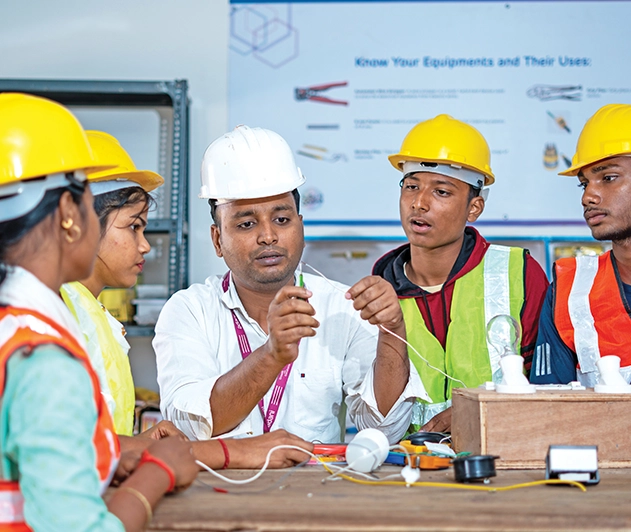
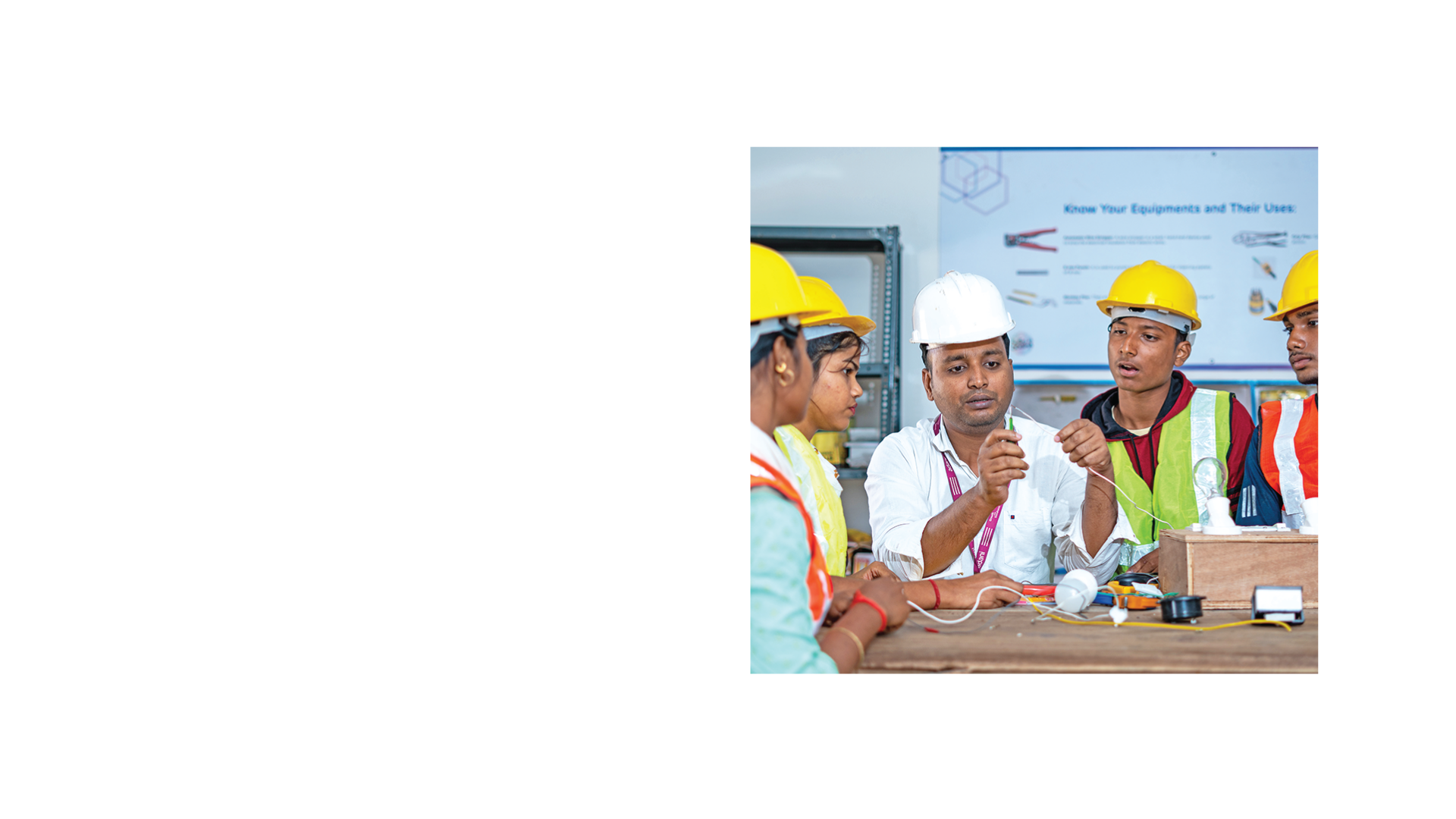


Women in workforce
of positions filled by internal candidates
Women’s hiring
average amount spent per FTE on training and development on online training
average hours per FTE of training and development
Employee Satisfaction score
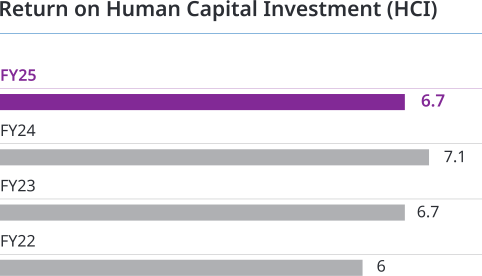
Notes: This measure is calculated by excluding non-employee related expenses from the total operating costs, thereby isolating the operating profit generated directly from our workforce.
| Particulars | Male (Age in Years) |
Female (Age in Years) |
Total | ||||
|---|---|---|---|---|---|---|---|
| <30 | 30-50 | >50 | <30 | 30-50 | >50 | ||
| Employees | |||||||
| Permanent | 1,641 | 5,450 | 724 | 275 | 317 | 26 | 8,443 |
| Other than Permanent | 153 | 84 | 71 | 134 | 14 | 2 | 458 |
| Total Employees | 1,794 | 5,544 | 795 | 409 | 331 | 28 | 8,901 |
| Workers | |||||||
| Permanent | 1,032 | 1,406 | 108 | 312 | 251 | 19 | 3,128 |
| Other than Permanent | 11,391 | 12,055 | 1,334 | 787 | 1,155 | 237 | 26,959 |
| Total Workers | 12,423 | 13,461 | 1,442 | 1,099 | 1,406 | 256 | 30,087 |
Notes:
1. There are 19 specially-abled people (FTE) in our workforce as of March 31, 2025.
2. This information is for employees in India operations only.
Attracting and retaining high-calibre talent is key to sustainable growth and industry leadership. We recruit exceptional talent from diverse recruitment channels. We welcomed 4,108 new employees during the reporting period.
We provide comprehensive learning and career growth opportunities to our employees. Our business portfolio comprises a diversity of dynamic and legacy sectors, offering employees an opportunity to develop a broad skill set and experience in long-term. We continuously engage with our employees to ensure they are well-equipped to stay productive and competitive.
We strategically plan to fill key leadership roles, creating a structured pathway for career progression as well as organisation’s effectiveness. We offer several leadership development programmes and cross-functional projects to create a pipeline of highly effective talent, fuelling organisational growth and innovation.
Specialised immersion programmes and challenging cross-functional projects foster a growth hacking mindset and encourage innovation, driving the organisation towards developing fungible leaders. By allowing employees to experience cross-functional projects, we create well-rounded leaders capable of addressing complex challenges and an environment where cross-pollination of information and frameworks occurs naturally, This in turn not only enhances the overall efficiency of operations but also sparks creativity and innovation.

We have established annual targets and long-term performance metrics for employees across all management bands. We reward their performance in accordance with the organisation’s incentive policy based on employee performance and achievement of the set targets.
We also believe in recognising and celebrating the dedication and loyalty of our employees through our Long Service Awards which are a heartfelt expression of gratitude, appreciation, and respect for those who have shown unwavering commitment and contributed significantly to the growth and success of our group. This policy applies to all regular on-roll employees of the Adani Group and ensures that all eligible employees regardless of their role or position, are appreciated for their long-term service and dedication, across milestones of 10, 15, 20, and 25 years of uninterrupted service, through valuable gifts, leadership interactions and beautiful felicitation events.
| Indicator | Gender | Age | Total | ||
|---|---|---|---|---|---|
| <30 | 30–50 | >50 | |||
| Total number of new employee hires | Male | 1,803 | 1,719 | 86 | 3,608 |
| Female | 419 | 77 | 4 | 500 | |
(%)
| Category | Male | Female | Total | ||||
|---|---|---|---|---|---|---|---|
| <30 | 30-50 | >50 | <30 | 30-50 | >50 | ||
| Total Turnover Rate (Permanent Employees) | 18.50 | 15.60 | 15.30 | 21.30 | 23.60 | 22.60 | 16.70 |
| Voluntary Turnover Rate (Permanent Employees) | 18.20 | 15.30 | 13.40 | 21.00 | 23.60 | 22.60 | 16.30 |
| Total Turnover Rate (Permanent Workers) | 15.90 | 9.70 | 7.60 | 21.40 | 10.40 | 0.00 | 12.70 |

| Employee Level | Average Women Salary | Average Men Salary |
|---|---|---|
| Executive level (base salary only) | - | ₹3,16,54,599 |
| Executive level (base salary + other cash incentives) | - | ₹10,13,34,922 |
| Management level (base salary only) | ₹18,07,327 | ₹23,55,708 |
| Management level (base salary + other cash incentives) | ₹21,62,707 | ₹28,95,640 |
| Non-management level | ₹7,43,116 | ₹8,05,176 |
The compensation details provided above have been verified by a third-party agency during the statutory audit.
| Particulars | FY 2024-25 |
|---|---|
| Share of women in total workforce (as % of total workforce) | 9% |
| Share of women in all management positions (as % of total management positions) | 7% |
| Share of women in junior management positions (In first level of management) (as % of total junior management positions) | 9% |
| Share of women in top management positions (as % of total top management positions) | 2% |
| Share of women in management positions in revenue-generating functions (e.g. sales) as % of all such managers (i.e. excluding support functions) | 9% |
| Share of women in STEM-related positions (as % of total STEM positions) | 6% |
70:20:10 learning model: 70% experiential, 20% collaborative project-based and 10% formal training
e-Vidyalaya Percipio: Our digital learning platform providing multiple learning opportunities
Institutional Collaborations: Partnership with top educational institutions for industry relevant training content
Broad Curriculum: Covers diverse subjects such as Strategy, Finance, Design Thinking, and ESG
Real World Business Learnings: Academic sessions coupled with on-ground immersions and action-based projects
Mentorship and Coaching: Senior leaders mentor and motivate teams leveraging their skills and organisational insights
Our Digital Dexterity Programme upgrades digital competencies in the employees, while also empowering our leaders to foster a digital mindset within their teams, drive continuous learning, and lead organisational change effectively. The programme covers technologies such as cloud computing, big data, artificial intelligence (AI), the Internet of Things (IoT), and augmented and virtual reality (AR/VR), offering actionable insights for enhancing operations and customer experiences. The programme is delivered through a blend of online and offline modules, focussing on practical applications of digital technologies and innovative thinking. In FY 2024-25, 5,10,415.3 hours of digital dexterity training was provided to employees with 50,180.8 hours for female employees.
We offer several impactful programmes aimed at succession coverage for critical positions and develop our internal talent pool.
hours of training provided in FY 2024-25 (online through eVidyalaya)
total amount (₹) spent on employees’ training and development (eVidyalaya)
| Indicators | Gender | <30 (age in years) |
30–50 (age in years) |
>50 (age in years) |
Average Hours/Employee |
|---|---|---|---|---|---|
| Average hours of training and development (online) (Employees) | Male | 80 | 120 | 77 | 72 |
| Female | 73 | 76 | 70 | ||
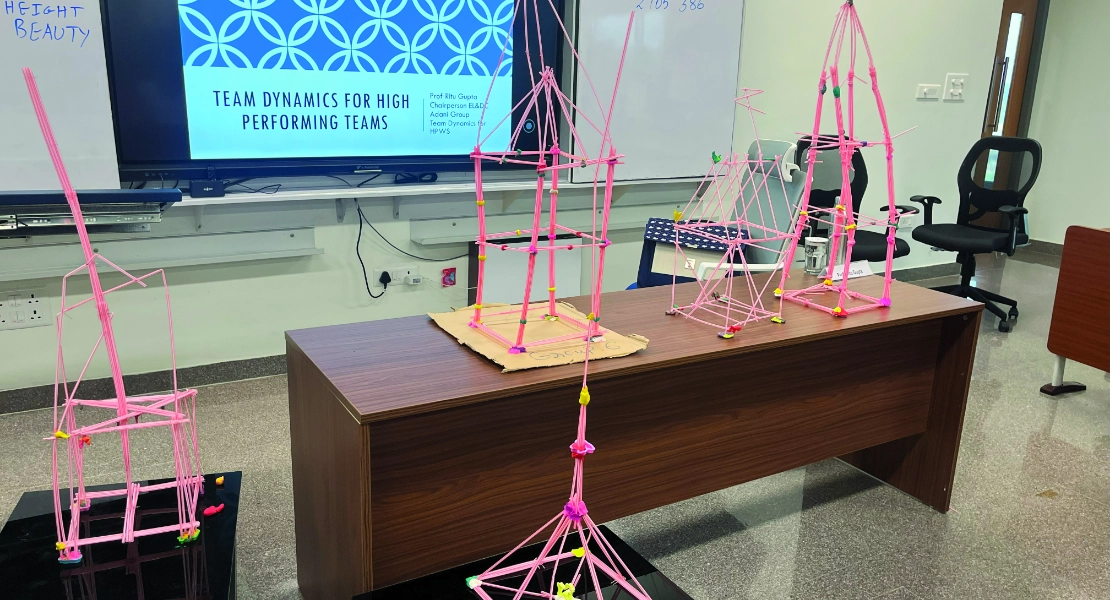
Introduced in June 24, 2024, the Programme provides young professionals with comprehensive management skills. Piloted at four IIMs, the programme targets professionals with 7-8 years of experience, primarily at the asset level. The YLP hones their managerial competencies through structured training in the areas of financial decision-making, process improvement, operating under regulatory environments, leadership skills, and team dynamics.
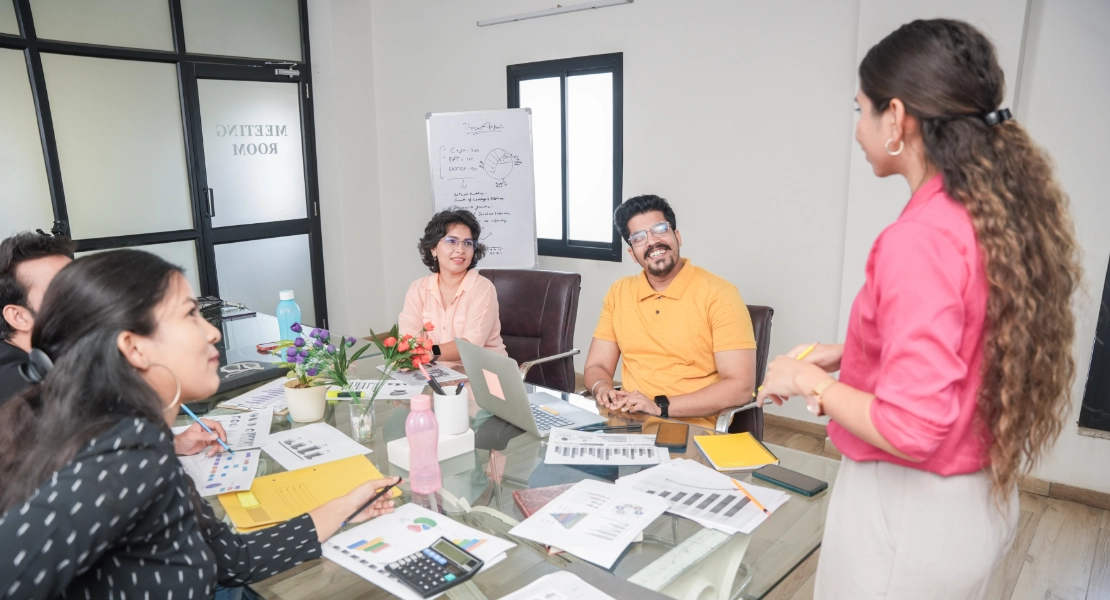
The programme aims to unlock the full potential of participants, enabling them to be successful, happy, and significantly contribute to the organisation's purpose and goals.
The six focus areas are: Human Blueprint, Human Resilience, Human Intelligence, Human Capacity, Human Capability, and Human in Future. The programme blends real action projects, case studies, expert faculty, coaching sessions, to enhance leadership, business acumen and adaptability with emerging trends such as the future of work and ESG considerations. It also provides a holistic development approach covering physical, mental, spiritual, and emotional health.
Our (PMS) ensures fair and equitable assessment process by setting clear goals, providing feedback and assigning performance ratings, to distinguish between high achievers from those needing improvement.
Eligible employees received performance and career development reviews
Business Unit-wise Engagement Activities
| Business Units | Workplace Culture, Employee Satisfaction | Significant Initiatives in FY 2023-24 | Compliance to labour law and regulations | Key policies governing employee relations | OHS |
|---|---|---|---|---|---|
| Aerospace & Defence | Achieved high employee engagement rates and have introduced initiatives to enhance communication and sense of community | CEO townhalls Leadership Meets Direct Connect with Shopfloor Interaction via round table with Cadre employees |
Monthly compliance call to ensure all legal requirements are fulfilled on time | Grievance redressal system; a harmonious work environment and a culture of open communication | Establishment of safety council across all assets, ensuring full adherence to safety protocols |
| Digital Labs | Regular leadership townhalls, structured recognition programmes, and action planning based on employee feedback | Implementation and adoption of KRONOS for all third-party employees | Digitised tool is been used to monitor adherence of all legal requirement applicable to BU | Employee Grievance Management System, Code of Conduct and PoSH | Regular safety trainings at ADL office |
| Data Center | Built internal technical capability through high performance learning platform | Implementation of Quality Council Task Force and Global Exposure programme | Monthly compliance audit to ensure all legal requirements are fulfilled on time | - | Dedicated Safety Council to drive EHS culture; Periodic Online & Offline Safety programmes |
| ANIL - Solar & WTG | Building a progressive mindset culture AWMS and Kaizen Programme | Employee Satisfaction Survey, NAPS Programme for cost optimisation and Critical Role Identification | Maintain self-compliance tracker in addition to digital platform for assurance | - | Employee training on Risk Assessment and Hazard Identification and Awareness Programme |
| Natural Resources | - | Organisation Health and Effectiveness survey to assess overall health and performance of organisation | Ensure 100% compliance across business/sites of all the International/central/state laws and rules, guidelines | - | - |
| RMRW | Building technical capabilities |
|
Systems and processes in place to monitor compliance through digital tools, audits, and review mechanisms | Encouraging a friendly workplace and promoting open communication | Timely Safety trainings implemented across assets, ensuring complete adherence to the protocols |

The Airports business measures and enhances employee engagement and satisfaction through regular surveys and feedback sessions, ensuring a motivated workforce crucial for delivering exceptional customer experience.
The business implements multiple engagement activities, including wellness initiatives like yoga, fitness challenges, and team-building events such as karaoke evenings and indoor games tournaments, health talks, teleconsultation facilities, and ergonomic furniture to promote physical and emotional well-being.
At Adani Enterprises, our broad range of employee support programmes are designed to cultivate an inclusive and supportive workplace, that promotes the overall wellbeing of every team member.
Employee Engagement surveys are carried out periodically to gauge job satisfaction, happiness, stress levels and overall well-being. These surveys are conducted either internally or through third-party agencies, helping us seek insights which are instrumental in taking constructive actions to foster a happier workplace. In FY 2024-25, our employee engagement score continued at 82% (4.1/5).
We typically provide 4 to 12 weeks’ of notice to employees and their representatives prior to the implementation of significant operational changes that could substantially affect them. This is usually accompanied by targeted capability building session for faster adoption of the change.
Our approach to human rights is guided by the internationally recognised frameworks, including the Universal Declaration of Human Rights, the International Labour Organisation (ILO) Declaration on Fundamental Principles and Rights at Work, the United Nations Guiding Principles on Business and Human Rights and the principles of SA 8000 Standard. This commitment is deeply ingrained in our corporate culture and operational practices, ensuring that respect for human rights remains fundamental to our values.
incidents of violations of rights of indigenous people
Our Board-approved Human Rights Policy guides our actions to uphold the human rights, address and mitigate concerns of all our stakeholders, from employees and associates to customers, contractors, and service providers. The policy ensures that the human rights considerations are well-integrated into our core business practices, including procurement, recruitment, training, and regular evaluations. In FY 2024-25, we refreshed our human rights policy in alignment with Adani Group’s human rights policy. The active collaboration between Group HR and Business HR units is key to managing human rights issues, with uniformity across organisation.

AEL undertakes comprehensive due diligence of its own operations, supply chain operations, and new business relationships, to identify, assess and proactively mitigate potential human-rights related risks. We regularly conduct Human Rights Assessments across our own operations, joint ventures, and tier 1 suppliers, with the support of third-party experts and internal subject matter specialists. The risks are mapped, regularly updated and reviewed to ensure ongoing vigilance and responsiveness to emerging human right challenges. AEL also undertakes thorough human rights assessments as part of its due diligence process, before entering into a new business engagement such as mergers, acquisitions, or joint ventures.
We have implemented accessible grievance mechanisms and whistleblower channels to address human rights violations or risks. All complaints and grievances are addressed immediately with utmost sincerity. The following actions are taken:
In FY 2024-25, our Airport Business reported 4 cases of sexual harassment and 02 cases of discrimination, and every single case was resolved.
Read more under
employees trained on human rights policies and procedures
security personnel trained on human rights policies and procedures, including third-party security personnel
Our engagement strategy encompasses active collaboration with labour unions, industry associations, and various stakeholders to cultivate an environment that promotes the wellbeing and professional growth of our workforce.
Trade Unions and Employee Engagement: We maintain transparent and constructive dialogues within the business segments, where trade unions play a significant role, such as the Airports Business Unit (BU). In other BUs such as Data Center, Defence and Aerospace, Solar Manufacturing, Mining, Roads, and Water, we leverage alternative channels to engage with employees, acknowledge and respect their voices.
Collective Bargaining: Our Employee Relations teams facilitates collective bargaining in BUs where Trade Unions are functioning, such as Airport Unit. The Employee Relations team upholds effective communication and negotiations to maintain a conducive and respectful work environment for all the stakeholders. Similarly, we have forums in other BUs to encourage employee engagement and participation.



 Access
Non-Discrimination and Anti‑Harassment Policy
Access
Non-Discrimination and Anti‑Harassment Policy


