


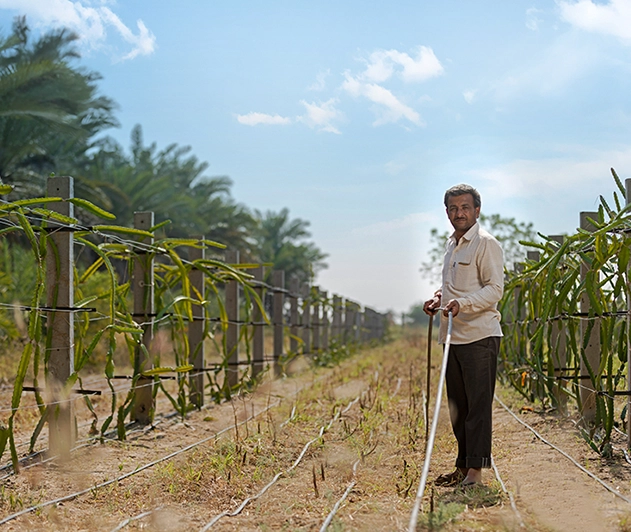
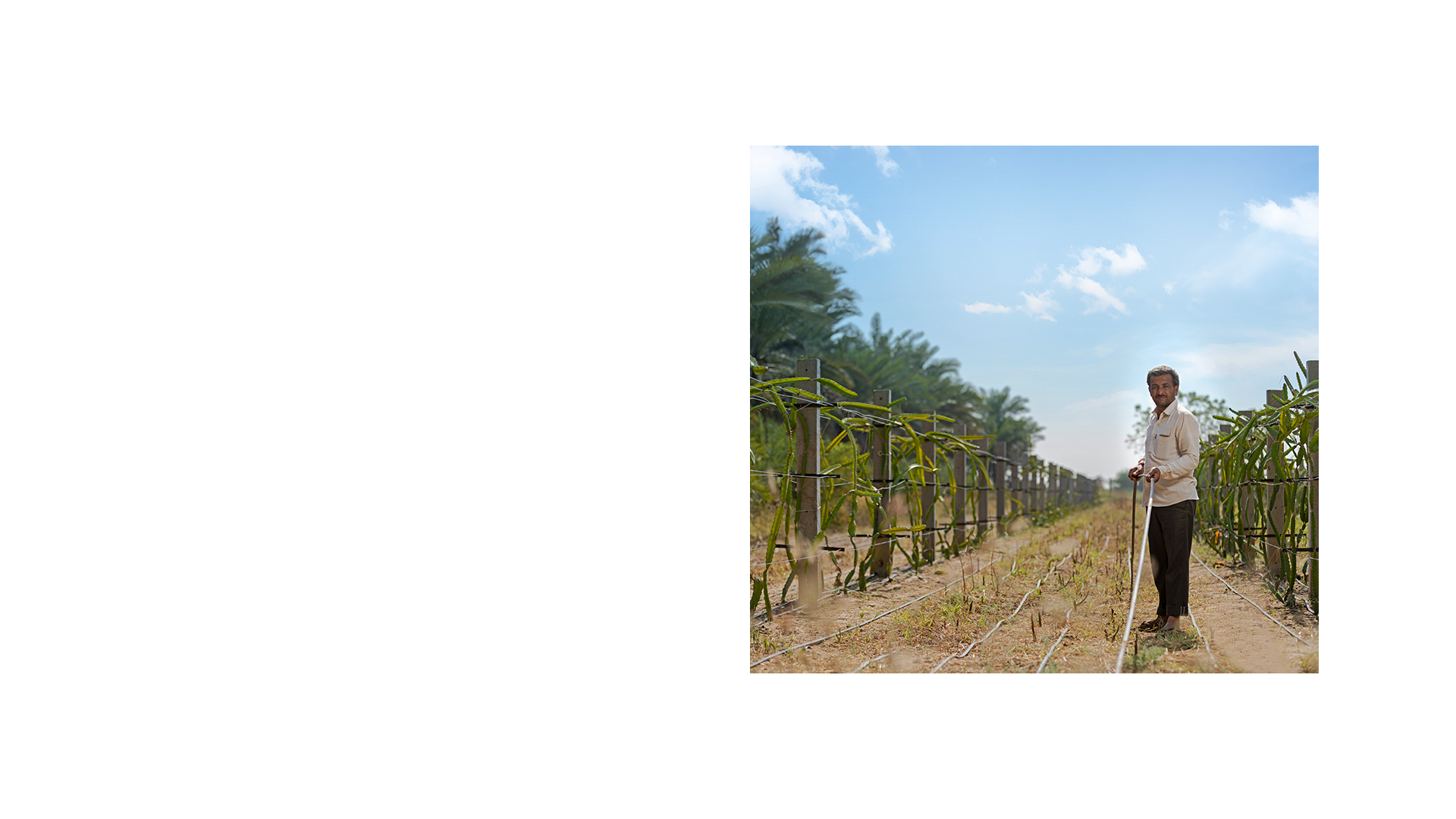
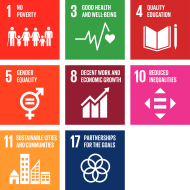
We emphasise on empowering women by promoting self-reliance and entrepreneurship in them. With a strong focus on the overall socio-economic progress of the most underserved, our initiatives align with the United Nations Sustainable Development Programmes (UNSDGs).
Key Linkages
SDGs
Associated Risks

Material Topics

Capitals

Strategic Priorities

Key CSR Highlights
59,332
CSR beneficiaries
32,630
Women beneficiaries comprising
~55%
Of total CSR beneficiaries
CSR Vision
Improve Quality of Life for All our Communities through Integrated and Sustainable Development.
CSR Mission
To play the role of a facilitator for the benefit of the people without distinction of caste or community, sector, religion, class, or creed, in the fields of education, health & nutrition and promotion, of social and economic welfare and upliftment of the people in general.
Environment Management System
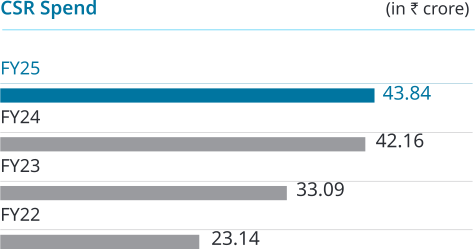
Expenditure in CSR Focus Areas in FY 2024-25
| CSR Focus Areas | CSR Expenditure (₹ crore) | Benefits for Distribution Companies |
|---|---|---|
| Education | 13.95 |

|
| Sustainable Livelihoods | 7.41 |
 
|
| Health and Nutrition | 7.45 |
|
| Community Development and Infrastructure Strengthening | 7.96 |
|
| Climate Action | 7.08 |

|
CSR Approach
We implement our CSR initiatives through the Adani Foundation, the CSR arm of the Adani Group, established in 1996. Currently, the Adani Foundation is operating in 6,769 villages across 19 states, transforming 9.1 million lives. The community development strategies of the Foundation are aligned with national priorities and Sustainable Development Goals (SDGs).
 Read more about the Adani Foundation
here
Read more about the Adani Foundation
here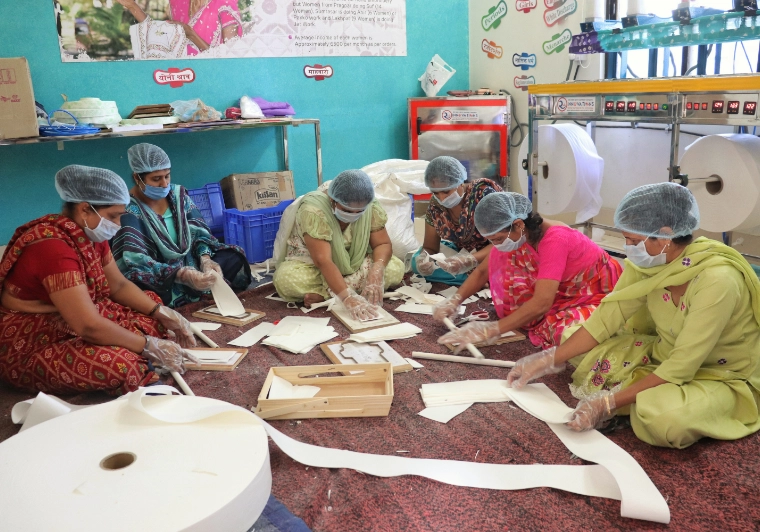
CSR Governance and Monitoring
Adani Energy Solutions’ Board-approved CSR Policy guides the CSR initiatives and its implementation.
Corporate Responsibility Committee (CRC)
The Board and its CSR Committee oversees the execution of CSR initiatives in alignment with the CSR policy and statutory requirement.
Business Unit Head and Site CSR Head
- Support the CSR Committee in executing CSR plans and initiatives at the business unit level through continuous monitoring and regular updates the CSR committees
- Facilitate employee volunteering activities for the planned CSR initiatives
Stakeholder Consultation and Engagement
Stakeholder Consultation
- Identify and consult with key stakeholders for CSR projects such as local community members, NGOs, government officials
- Gather and document their feedback, concerns and expectations
Need Assessment
- Conduct participatory need assessment with rural communities, identifying and prioritising their needs
Programme Planning and Resource Allocation
- Develop detailed programme plan catering to the community needs
- Outline activities, milestones, timelines and responsible teams
- Allocate budget and manpower for project execution
- Incorporate feedback from affected communities into operational and project decision-making
Project Implementation
- Execute project in partnership with stakeholders adhering to the project plan
- Keep communities informed of the project progress, seeking their inputs
Monitoring and Impact Assessment
- Close monitoring of the project against the timelines
- Conduct Impact Assessment to evaluate impact on communities
- Seek feedback from affected communities
- Deploy findings from monitoring and evaluation and community feedback to enhance project effectiveness
CSR Activities in FY 2024-25
Focus Area – Education
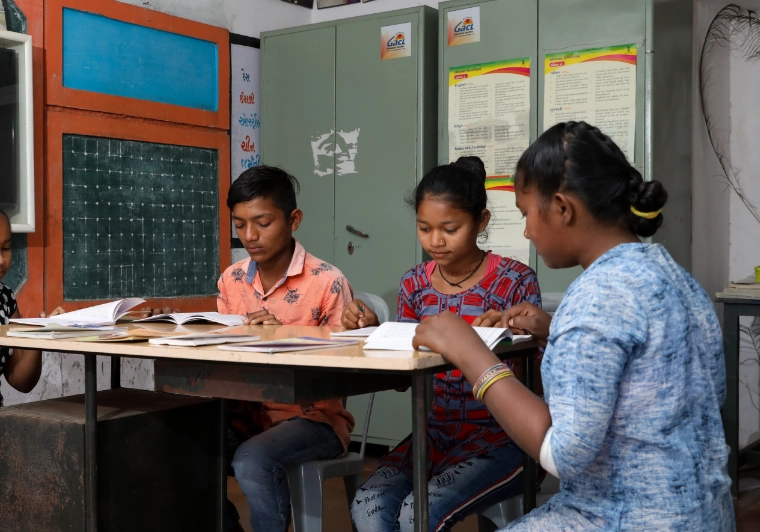
The Adani Foundation has dedicated itself to supporting government’s efforts in delivering quality education to the children from marginalised communities, recognising it as a fundamental right for every child. Through its initiatives, the Foundation is transforming lives of thousands of children across the nation through 357 schools. Its aspirational Project Utthan focusses on improving learning outcomes in government schools, while the Project Udaan provides young minds with large-scale insights inspiring them to dream big.
Project Utthan: Transforming Education
Background
Project Utthan was launched in 2018-19 in 17 schools in Mundra and has expanded to over 300 schools in five states, fostering overall school development. It mainstreams Priya Vidyarthis (Progressive Learners) and focusses on improving learning outcomes teacher performance, school transformation and infrastructure and community engagement, in Gujarat and Maharashtra. The project’s strategic interventions in schools include cultivating a reading culture, promoting digital literacy through "IT on Wheels", engaging communities via mothers' meetings, and celebrating key events. This is driven by Utthan Sahayaks, the supplementary teachers, who act as catalysts in transforming these schools into model learning institutions. Sahayaks undergo comprehensive training and capacity building to enhance their effectiveness in supporting educators.
Project Highlights
83Brihanmumbai Municipal Corporation schools benefited
Over23,600students (48.2% girls) beneficiaries
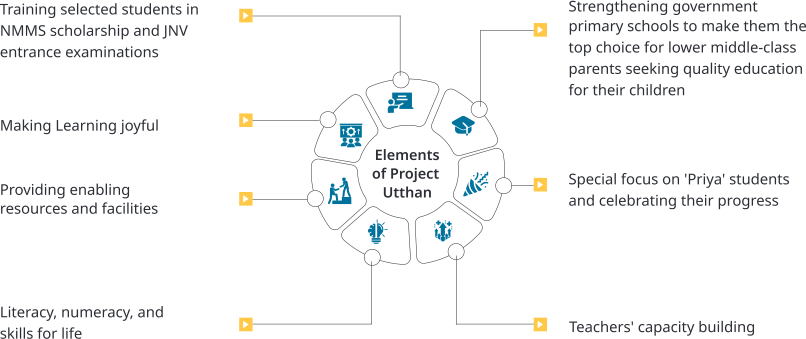
Third-Party Impact Assessment of Project Utthan In Brihanmumbai Municipal Corporation (BMC) Schools
A comprehensive assessment evaluated Project Utthan’s impact on literacy, numeracy, teaching practices, community engagement, infrastructure and school transformation, identifying strengths, and areas for improvement. The assessment covered 288 students from 21 intervention schools and 105 students from 5 non-intervention schools across Mumbai.
The Assessment findings revealed major improvements in foundational literacy and numeracy (FLN) outcomes, with Utthan students significantly outperforming the non-Utthan students and the baseline data. The project also fostered stronger communication and collaboration between the school, parents, and the community.
Impact Outcome for Students
| Assessment Parameters | Outcome in Utthan Group | Outcome in Non-Utthan Group |
|---|---|---|
| Reading Proficiency |
94.5% (  24.5% at
baseline) 24.5% at
baseline)
|
20% with nearly
30%
still at beginner or intermediate levels
|
| Writing Proficiency |
89.6%
(
15.8% at
baseline)
and
10.4%
At lower stage
and
|
9.5% with
75.25%
at non-beginner, beginner, or intermediate levels
|
| Numeracy Proficiency |
97.6% ( 25.3% at
baseline)
|
28.85% with
43.27%
still in non-beginner, beginner,
or intermediary stages
|
| Engagement and Confidence |
99% school
attendance
67.1%
Reported confidence in leadership
and communication skills
|
56.2% school
attendance
8.6%
Reported confidence in leadership
and communication skills
|
| Classroom Participation and Skill Development |
96.5%Improved
classroom
participation for students
96.5%
Sahayaks acquired necessary skills
Improved academic, creative, and life skills in students |
— |
A. Impact Outcome for Utthan Sahayaks
Utthan Sahayaks’ contribution was assessed to be significant in enhancing students' skill, communication, leadership, computer literacy, and academics, leading to improved reading, writing, and language proficiency (English, Hindi, Marathi).
- Improved classroom management and student engagement
- Deeper communication and connection with children fostering inclusive learning environments
- Stronger parent and community collaboration supporting children’s education
- Better understanding of child development providing more targeted support to students
B. Impact Outcome for Parents, SMC Members and Head Teachers
- Collaborative efforts from teacher training and parent-teacher meetings enhanced communication and child support
- Active community involvement fostered a supportive learning environment
- Stronger school-community relationships drove lasting improvements in education
Improvements Noticed Among Children by Sahayaks
80%Respondents reported improved literacy, numeracy, and basic English skills
35%Respondents noted significant improvements in classroom performance and academic interest
25% Students demonstrated better life skills such as decision-making, confidence and communication
20% Students saw increased school attendance while 15% respondents observed a decline in school dropouts
Improvements Noticed By Principals and School Staff
- Overall a significant improvement in student learning outcomes
- Noticeable progress in students' academic performance, particularly foundational skills
- Higher student participation and a more positive learning environment
- Increased parental involvement in their children's education
 Read more in the impact
assessment report here
Read more in the impact
assessment report hereProviding Essential Educational Tools to Anganwadi
In Katol block, we distributed 325 re-writable LCD Writing Tablet Pads with Screens to 19 Anganwadis, providing essential educational tools and fostering a foundation for lifelong learning and development.
Five RO plants were installed in 5 Zila Parishad schools of 5 villages to provide potable drinking water to students. 375 students of Zila Parishad schools will get the benefit out of this intervention, 193 children of Anganwadi near the school will also get the benefit of these ROs.
Focus Area – Health and Nutrition
India is experiencing a significant rise in mortalities due to non-communicable diseases such as diabetes, heart disease, and cancer, along with high maternal and child mortality rates in rural areas, urging for the need of more equitable healthcare for all.
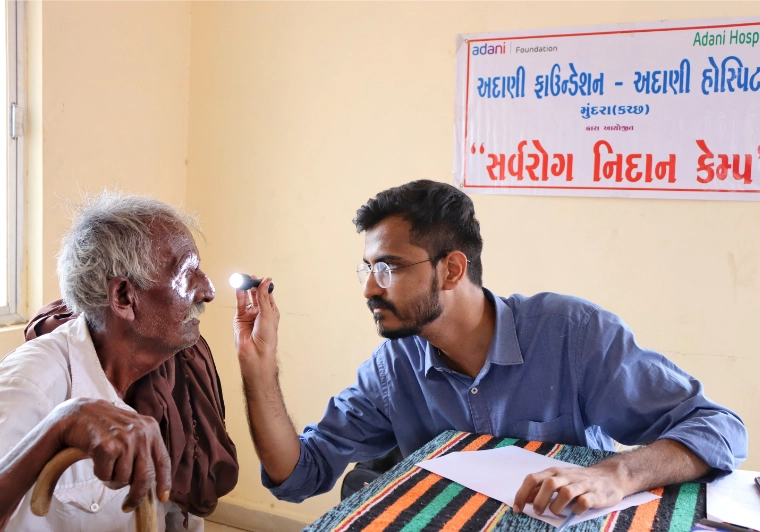
The Adani Foundation drives several initiatives to provide preventive and curative healthcare to the neediest sections of society. This includes mobile healthcare units and health camps for primary care, rural clinics and hospitals for secondary and tertiary care, and Project SuPoshan to combat malnutrition and anaemia by empowering village-level volunteers as SuPoshan Sanginis.
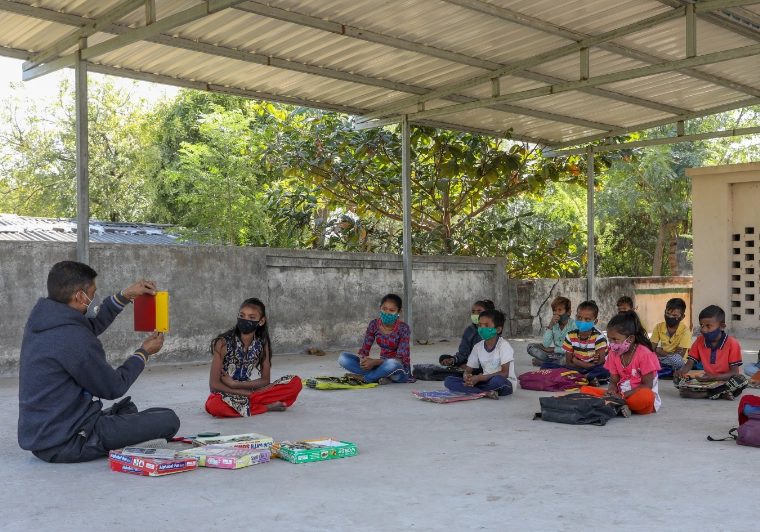
Vision Care: An Eye Health Initiative
As per the World Health Organization (WHO), visual impairment affects 314 million people globally, of whom 45 million are blind, despite over 80% of cases being preventable or treatable. However, 90% of those affected live in the low- and middle-income countries, where access to eye care is unavailable.
The Adani Foundation’s Vision Care Programme, launched in August 2024, provides eye-screenings, primary eye-care services, and eye-health advice to the school-going children, women, the elderly, and truck drivers, focussing on early detection and prevention of vision problems. Eyeglasses are also provided to the beneficiaries requiring corrective vision support. Through this programme, the Adani Foundation reaffirms its commitment to enhancing community health and well-being.
Project Highlights
1,00,000Beneficiaries screened till date through Adani Foundation’s support
20,541 People screened in
147Outreach events in Mumbai
4,638Women and
618Drivers
15,285Students and
152Staff covered in
79Schools
Focus Area - Sustainable Livelihood
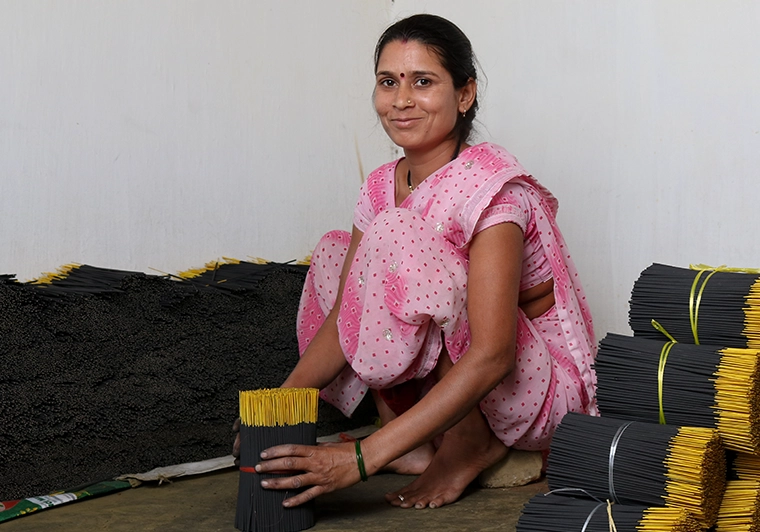
The Adani Foundation is working to augment and diversify the incomes of communities at the grassroots while fostering their socio-economic progress through a self-sustaining ecosystem. Our initiatives cover on-farm, off-farm, and non-farm areas and include natural farming, lift irrigation, drip irrigation, animal husbandry, dairy development, and empowering women-owned enterprises through knowledge, skills, and market connections.
Our Adani Saksham Skilling Programme imparts skill-based training to youths, boosting their employability and entrepreneurial abilities. It is now integrating advanced technology such as Augmented Reality-Virtual Reality (AR-VR) and launching courses on the Metaverse.
Project Swabhiman: Empowering Women through ESHGs
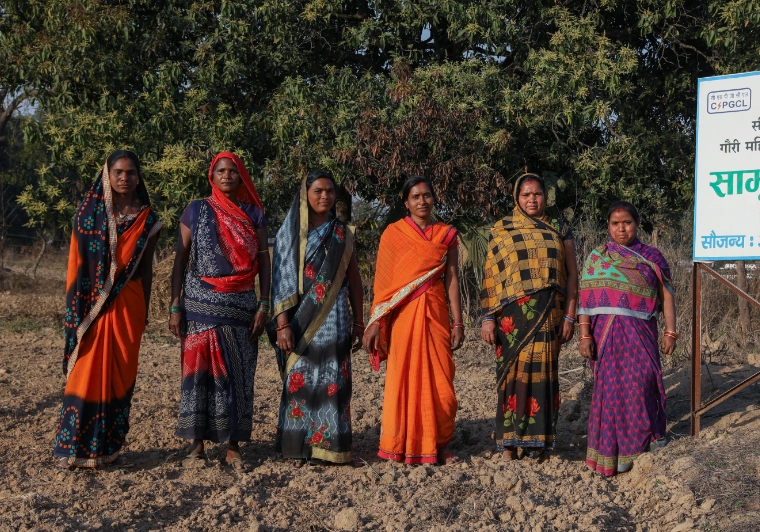
The Swabhiman Programme, implemented in Mira Road and Malad - Malwani areas of Mumbai, empowers nearly 4,000 urban poor women, including casual labourers, migrant communities and dysfunctional self-help groups. It focusses on skill development, f inancial literacy, and entrepreneurship through Self-Help Groups (SHGs) and Entrepreneurship Development Programmes (EDP).
The MoU between the Adani Foundation and MAVIM enabled women’s transition into becoming self-reliant entrepreneurs, while enhancing community resilience and sustainable development. MAVIM led the formation and capacity building of Entrepreneur Self-Help Groups (ESHGs), in governance, financial literacy, and trade-specific skills, such as food processing and artificial jewellery. Adani Foundation supported by providing financial resources, mentorship, and market linkages, ensuring the programme’s success.
Programme Highlights
₹100 to ₹500Monthly savings per women in SHGs
₹70,000 to ₹3,00,000Loan amount availed by SHGs
Impact between 2022-2024
4,011Women mobilised for SHGs
247 Savings bank account opened
56 Credit linkages formed
21 EDP trainings conducted
338SHGs women started their own business
287 Women SHGs formed
₹48,28,250 Credit linkages formed
431 Women participated in EDP trainings
3,224SHG women linked to bank
287Panchsutri trainings conducted
Third-Party Impact Assessment of Women Empowerment Through ESHG
The assessment covered 485 stakeholders, including Swabhiman participants, ESHG leaders, and Implementing Partner staff. The key objectives of the assessment include:
| Assessment Parameters | Participants Response |
|---|---|
| Income Growth |
|
| Training Satisfaction |
|
| Financial Confidence |
|
| Community Impact |
|
Meri Sangini, Meri Margdarshika (MSMM)
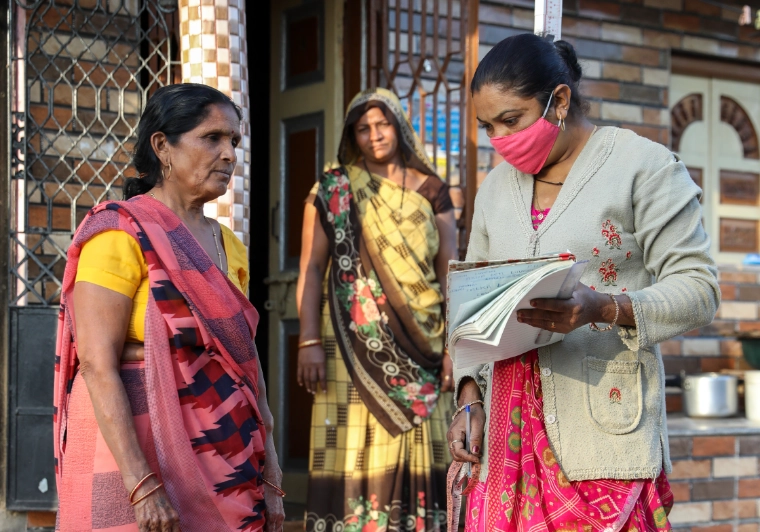
This one-of-a-kind initiative of the Adani Foundation raises awareness about government’s critical social welfare schemes on employment, health, women’s financial inclusion, and education. The project aims to drive socio-economic development across 13 villages of Nagpur district, Maharashtra, with an outreach population 16,197.
The project builds capacities in the MSMM Sanginis (community facilitating women) to conduct field visits, collect baseline family data, hold focussed group discussions and disseminate information in village events regarding the government schemes. These Sanginis build connection and rapport with government departments to facilitate the leverage of relevant schemes.
Activities Under MSMM
- Regular field visits by Sanginis to village level institutions such as Anganwadis, schools, community health centres and panchayats
- Group meetings to boost community participation of females
- Awareness raising sessions to promote
girl education and obtaining legitimate
documentation to avail access to
government schemes
- Several events and activities were organised to raise awareness on education, health, and hygiene
- Community-led initiatives such as tree-plantation was conducted to improve quality of life
- The Adani Foundation coordinated with government bodies and MSMM Sanginis helped rural beneficiaries obtain essential documents, such as PAN, Aadhaar, domicile certificate, income certificate, Jan-Dhan account, caste certificate and ration card
- Sanginis facilitated application and submissions process for various schemes such as Atal Pension Yojana, widow pension verification, old age pension verification, Palanhar Yojana, PM Kishan Samman Nidhi etc.
Impact of MSMM In Nagpur
2,689Beneficiaries availed legitimate documents such as PAN, Aadhaar, income certificates
1,485 Benefited from schemes (with linked potential benefits), such as Ayushman Bharat Yojana, Crop Insurance, Ladki Bahin Yojna, Kisan Card, Shram Card
20 croreEntitled through schemes with direct monetary as well as linked potential benefits for a total of 1,580 units, such as Atal Pension Yojana, PMSBY, PMJJBY, Sukanya Samriddhi, etc.
1.14 croreMonetised through schemes with direct yearly as well as one-time benefits for a total of 345 units, such as Shravan Bal Yojana, PM Matru Vandana Yojana, etc.
Focus Area - Community Development and Infrastructure Strengthening
Educational Initiatives
Water Cooler Supply:
Installation of water coolers at government schools in Alwar Substation, Rajasthan, and GTL & OBTL, UP, benefiting 900 students
Construction of Toilets:
Building R.C.C toilets with solar-based water supply facilities at government schools in ALTL and Darbhanga SS, Bihar & West Bengal, and GTL & OBTL, UP, benefiting 2,200 students.
Hand Wash Stations:
Construction of hand wash stations at government schools in CG/MP/JH TL, Chhattisgarh, benefiting 475 students.
Water RO Purifiers:
Supply of industrial RO purifiers at government schools in CG/MP/JH TL, Deedwana Substation, and Gujarat TL, benefiting 1,950 students.
Furniture and Painting:
Providing furniture and painting services at government schools in Deedwana Substation, Rajasthan, and 765/400 KV Lakadia, Gujarat, benefiting 300 students
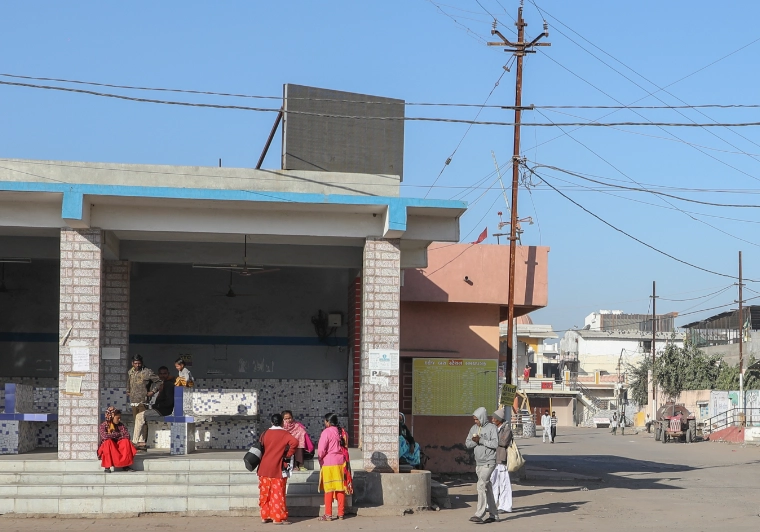
Community Infrastructure Development and Climate Action
Pond Deepening and Renovation:
Undertaking Pond deepening and renovation work at various sites including Alwar Substation, Dhanbad SS, Gujarat TL, and Akola-2 Substation, benefiting multiple villages with improved water credit (~1,70,000 KL/year water recharge)
Borewell Construction:
Constructing borewells at nearby villages in Dhanbad SS, Jharkhand, and Adani Energy Solutions-JH, Godda, Jharkhand, benefiting the community.
Solar Lights Installation:
Installing solar lights (approx. 210 nos.) in nearby villages to provide sustainable and reliable lighting solutions at Vadodara, Adipur, GTL & OBTL, UP, and Akola-2 Substation, Maharashtra, benefiting the community.
Road and Drain Construction:
Constructing roads and drains (~ 2,500 metres) at nearby village temple areas in GTL & OBTL, UP, and Akola-2 Substation, Maharashtra, benefiting the community.
CCTV Cameras Installation:
Installing 25 nos. CCTV cameras at nearby police stations in 765/400 KV Lakadia, Gujarat, enhancing community safety.
Roof Top Solar Installation:
Installation of 75 kWp rooftop solar at Boys & Girls hostel at Vadodara, Patan benefiting 700 students (450 boys & 250 Girls).
Tree Plantation Activities:
Undertaking plantation activities (approx, 2.4 lakh trees) at Rajnandgaon, Dhanbad, Alwar, Deedwana, Fatehgarh, Kaithal, Mahendragarh & WTPL Pune Assets, promoting environmental sustainability.
Resolving Community Grievances
We are concerned about the wellbeing of our communities. We have established formal mechanisms to hear their concerns and remediate them effectively. During FY 2024-25, we received Zero grievances from the communities, and all were resolved.
Value Creation Story
Seema Kadam and Jyoti Bandekar (Mira Bhayander SHGs)
Project Swabhiman has transformed the lives of Seema Kadam and Jyoti Bandekar, the participants of Mira Bhayander SHGs, along with several other women. They acquired vocational skills in Warli painting, tailoring, jewellery making, and mop making, for which they had no prior experience. The training helped them gain new skills. As Sahayak Sakhis, they got exposure beyond their homes, engaging with communities to carry out daily transactions and participating in training and CSR events.
Achievements
They have taken initiative in training other women in jewellery-making skills and organising work, ensuring equal opportunities for all. Through Project Swabhiman, they gained access to raw materials, sales events, and valuable business skills. Their participation in sales events at the Adani Corporate Office and Mantralaya has helped them expand their incomes and enhance their entrepreneurial abilities. Despite the challenges, such as balancing their household chores with commercial activities, they successfully set up stalls, earning between ₹5,000 and ₹16,000 per event.


