
Human Rights and Labour Relations
Human Rights Policy Commitment
We respect human rights in all our business practices, recognising them as fundamental to sustainable progress. Our comprehensive framework of policies and procedures reinforces our commitment to ethical conduct and human rights protection of all those associated with us. We are a signatory to United Nation's Global Compact (UNGC) and our policy commitment aligns with International Labour Organisation’s (ILO) Declaration on Fundamental Principles and Rights at Work and National Guidelines On Responsible Business Conduct (NGRBC) principles. These policies guide our operations to ensure they do not infringe upon the rights of individuals and communities and promote human rights, labour standards, environmental sustainability, and anti-corruption.
Our Employee Code of Conduct, Code for Board of Directors and Senior Management and Supplier Code of Conduct sets forth the required human rights and labour standards for our key stakeholders. We maintain a firm Zero Tolerance approach to any violations of our policies and ethical standards, reflecting our firm stance against misconduct and reinforcing our commitment to accountability and compliance.
Adani Energy Solutions' Board of Directors, as the highest governance body, is responsible for reviewing and approving these policies. The policies are reviewed on a need basis or at least once every two years to ensure their continued relevance and effectiveness.
 Employee Code of Conduct Policy
Extent of Application
The human rights policy commitment is integrated into all aspects of our operations and extend to our business relationships, including employees, suppliers, customers, and other stakeholders. Human Rights considerations are integrated into our decision-making process. We evaluate our partners and supply chains to ensure compliance with our standards, fostering responsible and ethical practices across the business ecosystem.
Adani Energy Solutions is committed to applying the precautionary principle to its operations, conducting thorough assessments before proceeding with new operations to proactively prevent potential risks to human health and environment. This preventive approach is integrated into our risk management framework, ensuring regular environmental impact assessments, continuous monitoring of operations, and proactive engagement with stakeholders.
Social Accountability 8000 (SA8000) Certification
Adani Energy Solutions' Retail Electricity division and the Smart Metering division are already SA8000 certified, while we are actively working towards certifying the Grid division as well. This testifies our commitment to social responsibility and continuous improvement.
Human Rights Policy Framework
We have established structured processes and defined responsibilities to embed these policy commitments into our business operations and practices covering all employees, workers and business partners.
 Read more under ‘Corporate
Governance’
Read more under ‘Corporate
Governance’Our Human Rights Framework
Adani Energy Solutions' human rights framework emphasises on identifying potential human rights risks and assess its severity, scale, and impact on human rights. It adopts a comprehensive approach to proactively and effectively mitigate those risks, promoting transparency and accountability across the business ecosystem.
Core Principle of our Human Rights Framework

Respect and Commitment in all Aspects of Operations and Supply Chain Activities
Identifying areas where human rights risks are most prevalent and assessing the severity and likelihood of these risks. We revised the Supplier Code of Conduct in the current reporting period, comprehensively outlining our expectations regarding labour rights, environmental practices, and ethical conduct. The suppliers are strictly required to adhere to these high standards of human rights, labour rights, environmental practices, and ethical conduct.

Human Rights Due Diligence and Risk Assessment
We meticulously identify the areas with high likelihood of human rights risks and assess severity and likelihood of these risks.

Audits and Inspection
We conduct regular audits and inspections through internal teams / independent third parties, to verify compliance with human rights standards and Code of Conduct.

Remediation
We have established and communicated our formal grievance mechanisms that are accessible and responsive, to our employees and stakeholders, allowing them to report any human rights concerns confidentially and without fear of retaliation.

Transparency and Accountability
We have established sound monitoring and accountability mechanisms for identifying human rights impacts and transparent reporting on those impacts.

Continuous Improvement
We regularly update human rights policies and practices. We also conduct training and capacity-building programmes for employees and suppliers (those who ask for it) to raise awareness.
Human Rights Risk Assessment
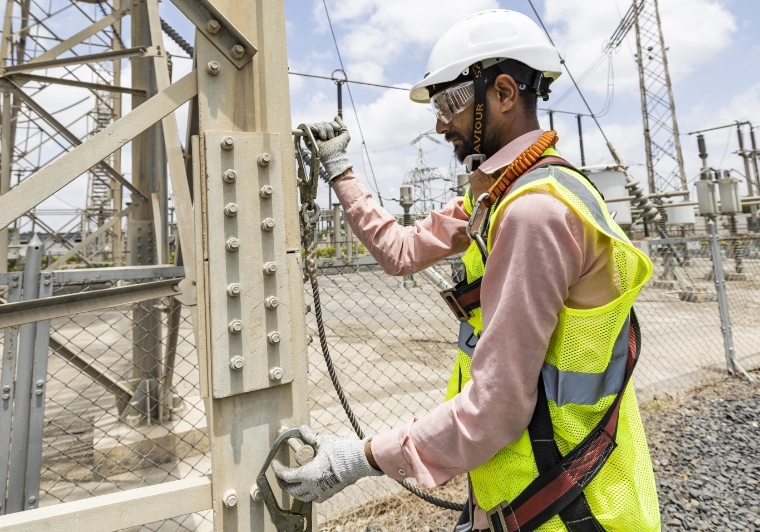
We have integrated social accountability risk assessments into our broader risk framework to identify, analyse, and mitigate potential social risks across our value chain. These assessments align with the principles of SA 8000 standard, ensuring a structured approach to social accountability in the workplace.
Key assessment parameters include but are not limited to child labour, forced labour, working conditions, discrimination and compliance with statutory legal requirements, international human rights standards and internal policies. The scope of these assessments cover both our internal operations and external partners including suppliers and partners. We continuously monitor and evaluate our practices, ensuring alignment with evolving standards and stakeholder expectations.
Risk Assessment Outcomes
| Type of Operations | % Assessed in Last Three Years | % of Total Assessed where Potential Risks have been Identified | % of Potential Risks with Mitigation Actions taken |
|---|---|---|---|
| Own Operations | 100 | 0 | 100 |
| Joint Ventures | 100 | 0 | 100 |
| Contractors and Tier-I Suppliers | 64 | 0 | 100 |
Child Labour, Forced Labour and Discrimination
Given the nature of our business operations and requirements of skilled manpower above 18 years of age, child labour is not encountered in our sphere of business. However, Adani Energy Solutions assesses risks associated with young workers (the individuals of the applicable minimum working age but under 18 years) and takes measures to ensure their protection and well-being. We have implemented and communicated clear policies against child labour to all employees, suppliers, and stakeholders, reinforcing our zero-tolerance stance. Suppliers are regularly audited to verify their compliance with the policy, with any violations leading to immediate corrective actions and potential termination of the business relationship.
In FY 2024-25, ZERO incidents of forced/involuntary labour were reported across our India operations and value chain partners. There were ZERO of incidents of discrimination and harassment during the reporting period.
Freedom of Association and Collective Bargaining
As a responsible business entity, we acknowledge the significance of identifying our operations and suppliers where the right to freedom of association and collective bargaining may be at risk, to ensure compliance and a fair working environment.
7,702 Of our contractual workers constituting
80%Of our total workforce are part of recognised trade unions
Operations with Potential Risks
| Types of Operations | Description |
|---|---|
| Manufacturing Plants |
Facilities located in remote areas faces risks due to limited oversight and regulatory enforcement, such as:
|
| Construction Sites |
Sites in rural or remote areas, encounter challenges in ensuring workers' rights due to transient workforces and less structured labour relations:
|
| Maintenance and Service Operations |
Smaller and local subcontracting firms involved in maintenance and servicing of the power grid may have inconsistent labour practices:
|
Geographic Areas and Suppliers at Potential Risks
| Types of Operations | Description |
|---|---|
|
Indian Supplier Chain Partners
|
Certain suppliers operating in rural India and regions lacking comprehensive labour law enforcement may pose risks such as inadequate worker protections, lack of access to grievance mechanisms, and limited oversight of working conditions. Resource constraints, lack of awareness and informal work arrangements may lead to challenges in complying with international labour standards risking forced labour, child labour, and excessive working hours, especially during high demand for low-cost production. |
|
Overseas Suppliers
|
Measures to Promote Human Rights
We take several initiatives throughout the year to promote human rights awareness and ethical business practices across our operations, including supply chains. Through stringent monitoring and assessment, we enhance not only regulatory compliance but also create a safe, fair, and inclusive environment for all.
Human Rights Awareness
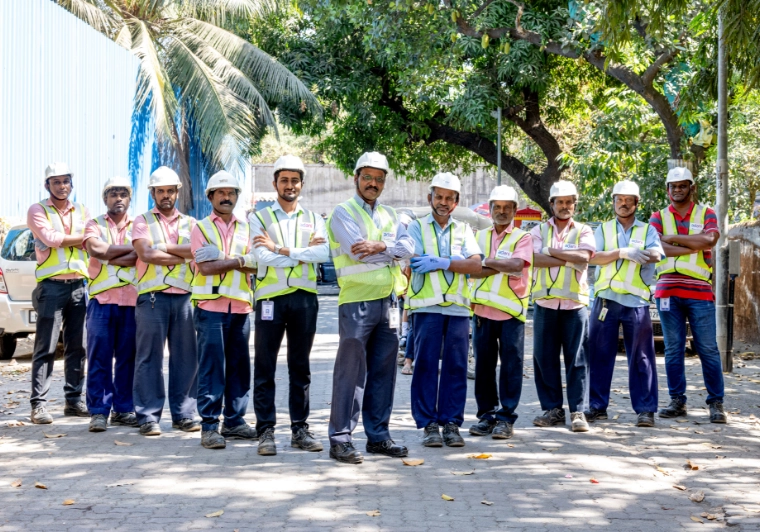
We conducted human rights awareness sessions through an interactive learning platform for all employees and contract workmen. The sessions covered potential stakeholders’ interactions, human rights principles and their application in the workplace and daily life through scenario-based assessments.
60%Employees retrained on human rights policies, commitments and procedures
100%New Supply chain partners assessed on human rights policies, commitments and procedures
100%Offices and operations assessed human rights risks
ZERO Incidents of violations of rights of indigenous peoples
Human Rights Training for Security Personnel
The training sessions for third-party personnel are conducted using the online modules certified human rights trainers. The training also included modules on ethics and compliance.
| Particulars | FY 2024-25 |
|---|---|
| Security personnel trained on human rights policies or procedures with application in security operations | 71% |
| Third-party security personnel trained on human rights policies and procedures | 100% |
Note: Data reported is based on attendance records and training completion rates.
Supporting Workers Rights to Freedom of Association and Collective Bargaining
- Engage trade unions through regular dialogues to address concerns, share updates, and uphold workers' rights
- Successfully negotiated and renewed collective bargaining agreements outlining fair working conditions, wages, and benefits for employees
- Provided training to the management and employees emphasising freedom of association and collective bargaining
Preventing Child Labour
- Regular supplier audits are conducted to ensure compliance with our no-child labour policy
- Collaborate with local communities to support child education programmes, effectively deterring child labour
- Established and communicated clear policies against child labour to all employees, suppliers, and stakeholders, reinforcing our zero-tolerance stance
Preventing Forced Labour
- Revised and reinforced our Supplier Code of Conduct strictly prohibiting forced labour, and mandating supplier compliance
- Provided training and resources to employees and suppliers seeking clarity, enabling them to recognise and prevent forced labour
- Comprehensive risk assessments are conducted to identify and mitigate any potential areas where forced labour may occur within our supply chains
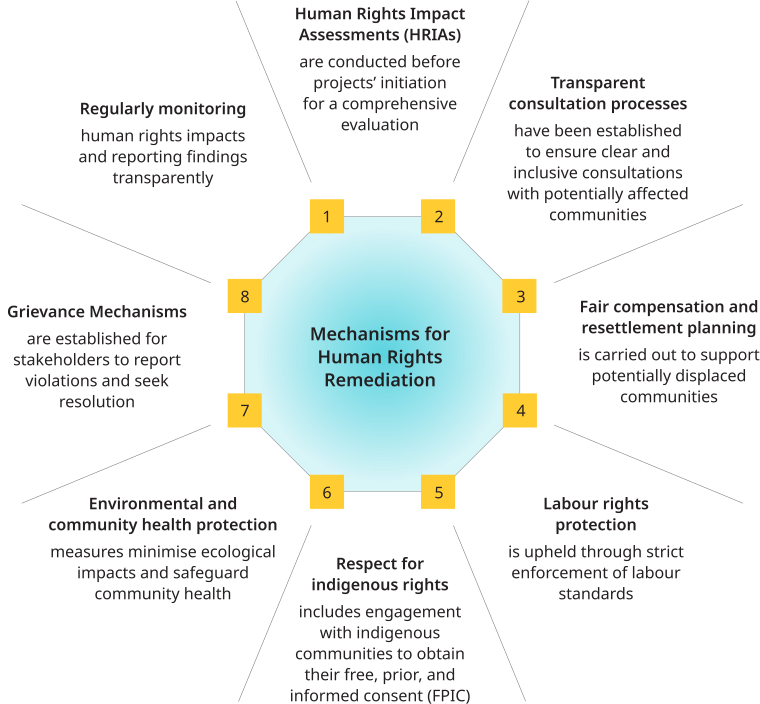
Mechanisms for Human Rights Remediation
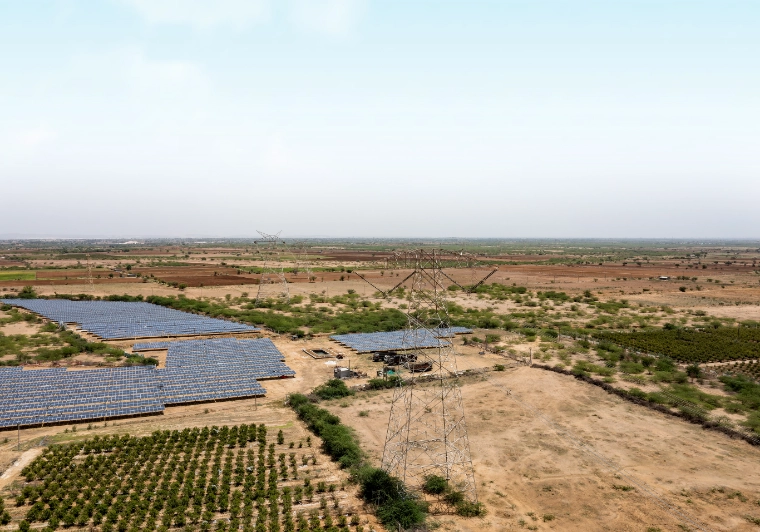
We have implemented sound mechanisms to identify and address any human rights violations, ensuring Adani Energy Solutions upholds and promotes them for sustainable and inclusive development.