Our Occupational Health and Safety (OHS) approach is built on proactive hazard identification, risk minimisation, and continuous improvement. Through comprehensive health services, rigorous training programmes, and open communication channels, we strive to maintain the highest standards of occupational health and safety.
Key Linkages
SDGs
Associated Risks

Material Topics

Capitals

Strategic Priorities

Key Safety Highlights in FY 2024-25
71.75%
Safety Performance Indicator Score (SPIS) card
100%
Employees and workers covered through safety- related trainings
Safety Commitment and Approach
Occupational Health and Safety Management System
Our OHS Management System is certified with ISO 45001:2018 and covers 100% project locations, O&M sites, employees and workers, including the contractual workers who are under Adani Energy Solutions' direct control. We follow comprehensive Standard Operating Procedures (SOPs) within our operations to align with our OHS Management System. We have a robust system to capture observations about any unsafe acts or unsafe conditions through various mechanisms such as site safety inspection by top management, site safety representatives, internal audits, external third-party audits and mock drill by the group safety department. Safety-related KPIs hold 15% weightage into the annual compensation of the executives.
We have adopted the Plan-Do Check-Act (PDCA) cycle to foster continuous improvements in our OHS systems. We provide safety trainings to our employees, workers and contractor staff to drive a culture of vigilance and zero harm.
We maintain Safety Performance Indicator Scorecard (SPIS) and monitor various lead and lag indicators to measure safety performance at all sites, with a focus on leading indicators, including near misses, safety observation, safety training, mock drill, safety promotional campaign, toolbox talk, safety committee meeting, etc. Additionally, safety-related labels, indicators, posters, tags and signages are prominently displayed at our sites.
Our Goal is to achieveZero Harm & Zero Leakcreating a safe workplace for all
OHS Audits
Internal OHS Management System audits are conducted by Adani Energy Solutions' own team, involving documentation review, site inspections, and employee interviews to assess compliance. External audits are performed by independent certification bodies using internationally recognised standards such as ISO 45001. In compiling the audit data, it is assumed that all employees and workers under Adani Energy Solutions' direct control are subject to the same safety policies and procedures and the existing documentation is accurate and up-to-date. Any discrepancies or gaps identified during the audits are promptly addressed to maintain system integrity.
The quantitative and qualitative methodologies are used for risk assessments and hazard identification, employing tools such as job safety analysis, hazard and operability studies (HAZOP), and risk matrices to evaluate potential risks and prioritise mitigation strategies. The data collected is analysed to identify trends and areas for improvement.
100%Operational sites have been audited for OHS Management System
| Workforce Coverage Under OHS Management System | Number | Percentage |
|---|---|---|
| Employees and workers (who are not employees but are under Adani Energy Solutions' direct control) covered through the OHS Management System | 2,120 | 100% |
| Employees and workers (who are not employees but are under Adani Energy Solutions' direct control), covered through internal audits of the OHS Management System | 2,120 | 100% |
| Employees and workers (who are not employees but are under Adani Energy Solutions' direct control), covered or certified by external party | 2,120 | 100% |
Contractor Safety Management System
Our six-step contract safety management system clearly defines contract safety requirements and selection criteria to contract closure and post-contract evaluation. This includes contractor assessments on Contract Safety Management (CSM) standards to prioritise selection of those contracts that qualify our ESG standards, including health & safety. We conduct periodic Safety Risk Field Audits (SRFAs) to evaluate safety adherence levels of contractors/sub-contractors.
Health and Safety Governance
Our OHS Policy emphasises on the culture of care by integrating occupational health and safety in all business decision and activities.
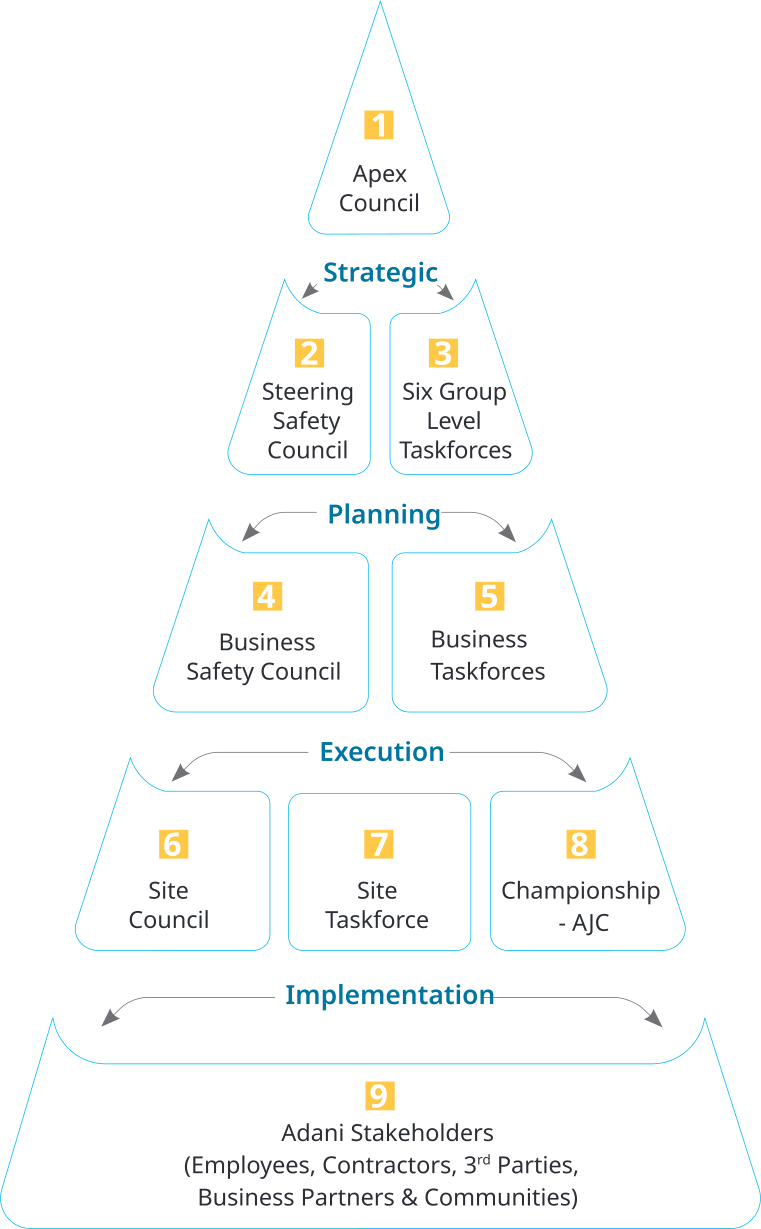
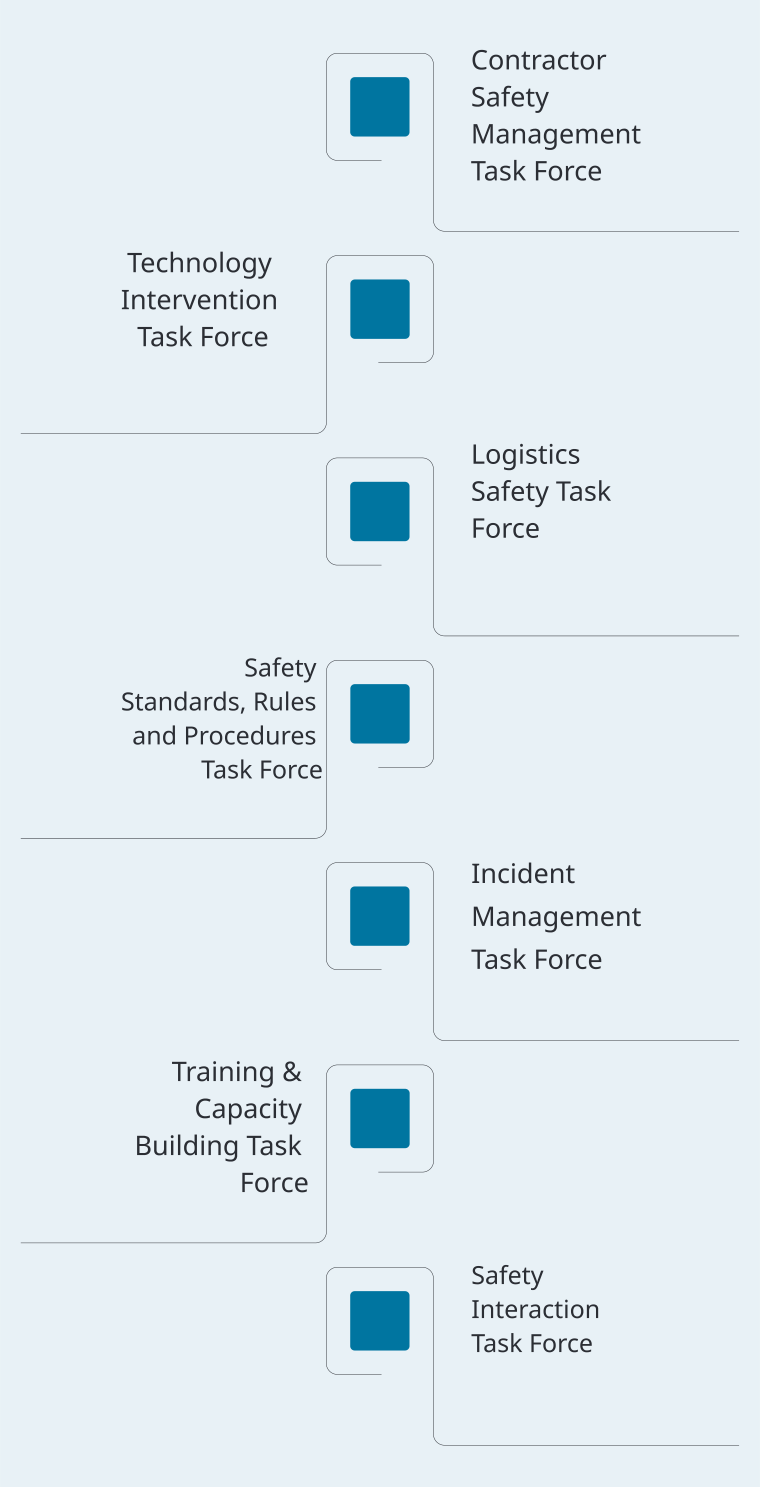
Our Board and the Board-constituted Corporate Responsibility Committee (CRC) are responsible to review and oversee the implementation of OHS policy across operations. We follow a participative approach with coordination between top leadership, senior management, employees and workers at all levels. The Board and the CRC are informed by the Group level Business Safety Council on the progress towards safety goals and KPIs. To further assist the council, there are seven taskforces led by the Line Function Heads, with dedicated roles and responsibilities. These taskforces meet regularly to review and update safety performance. There are site-level safety coordinators at each site for continuous monitoring of the safety practices.
 Occupational Health &
Safety (OHS) Policy
Occupational Health &
Safety (OHS) Policy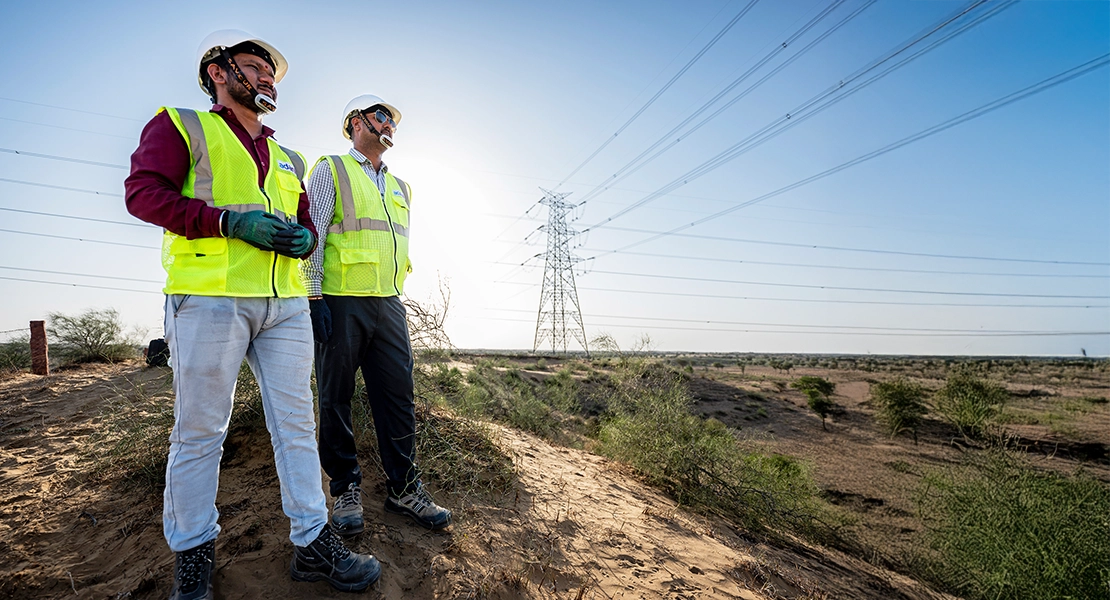
OHS Governance Structure
Safety Taskforces
Worker Participation, Consultation, and Communication
Development
Inputs collected through workers’ focus groups, surveys, and workshops inform the development of OHS management system, hazard identification and safety protocols.

Implementation
Active participation in safety committees, training sessions and safety drill ensures effective implementation of safety measures.
Evaluation
Feedback collected through surveys and suggestion boxes, audit and inspections, helps evaluate the effectiveness of OHS management system.
Information Access
Access to OHS information, including safety policies, procedures, and incident reports is available through company intranet, safety bulletins, and regular meetings.
Communication Channels
Clear communication channels, such as safety meetings, newsletters, and digital platforms, keep workers informed about OHS updates.
Joint Management – Worker Health and Safety Committees
Adani Energy Solutions has Joint Safety committees with representation from all workers to improve OHS practices at the sites. If some workers could not participate due to challenges such as specific job roles or locations, alternative methods like remote participation or separate focus groups are used to gather their inputs. These committees meet monthly to discuss ongoing safety issues, review incident reports, and plan safety initiatives.
Responsibilities of Joint Safety Committee
- Hazard identification through regular inspections and worker feedback
- Incident investigation and recommending corrective actions
- Policy development and review of OHS policies and procedures
Decision-Making Authority of Joint Safety Committee
- Recommend safety improvements and corrective actions to the management
- Escalate unresolved safety issues to higher management for further action
Hazard Identification and Risk Assessment
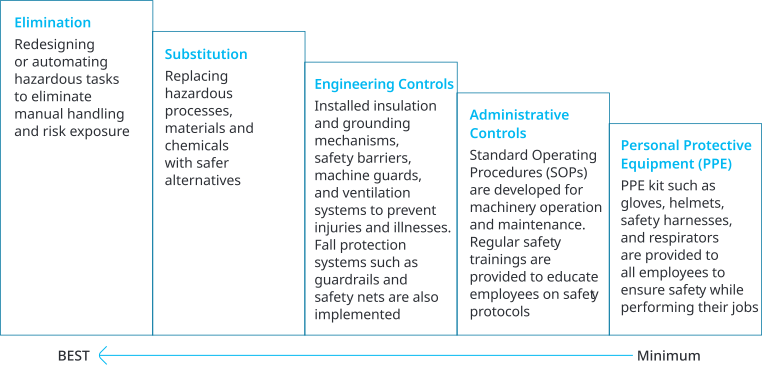
We systematically identify work-related hazards and assess risks, both on a routine and non-routine basis. By applying the hierarchy of controls, organisations can eliminate hazards and minimise risks effectively.
Identifying Work-Related Hazards
On a routine basis, work-related hazards are identified through regular weekly or monthly inspections, quarterly or annual audits, and employee feedback, for prompt reporting and comprehensive review of safety practices and hazard identification processes.
For non-routine tasks or emergency situations, Job Hazard Analysis (JHA) or Risk Assessment is conducted by trained personnel before any non-routine activity begins. This approach helps anticipate and mitigate potential hazards promptly.
Hierarchy of Controls for Hazard / Risk Mitigation
Ensuring Quality of Hazard and Risk Assessment Processes
Competency of Personnel
- Regular training sessions and certifications for employees
- Employing experienced safety professionals for expert guidance and oversight
- Encouraging continuous OHS education and professional development
Quality Assurance Mechanisms
- Periodic audits to evaluate effectiveness
- Review of assessments by multiple safety professionals
- Feedback loops to seek employee inputs and suggestions
Utilising Results for Continuous Improvement
- Analysing inspections, audits, and incident data to identify trends and improvements
- Revising policies and procedures based on hazard assessments and risk evaluations findings
- Updating training programmes to address new hazards and safety awareness
- Establishing performance metrics to measure effectiveness of safety interventions and improvements
- Conducting regular management reviews to assess and improve OHS management system
 Read more under BRSR-Principle 3-E10
Incident Management
Incident Reporting
- Incident reporting by employees and workers on online Gensuite portal
Incident Investigation
- Inspection of incident scene and interviews with witnesses
- Examination and documentation of root causes and contributing factors
Corrective Actions
- Developing prevention/ mitigation actions using a hierarchy of controls
- Integrating lessons learned into OHSMS for continuous improvement and preventing recurrence
Workers have the right to remove themselves from situations they believe pose a threat to their safety or health. This policy is part of our broader commitment to employee well-being and is included in our safety handbook and safety training programmes.
Workers who exercise their right to self-remove from hazardous situations are protected under our non-retaliation policy. Adani Energy Solutions ensures that these workers can voice their concerns without fear of negative consequences, thereby fostering a culture of safety and trust.
Occupational Health Services
Health surveillance and regular medical examinations of employees enable detection of early signs of work-related illnesses, and timely interventions.
Risk assessments and examination help in proactive identification of hazards and recommend appropriate controls to prevent work-related accidents & injuries.
Ergonomics evaluations align the workstations and job tasks with workers’ physical capabilities to reduce musculoskeletal disorders.
Management-employees collaboration improves comprehensive safety policies and procedures through training and education on hazard recognition, safe work practices, and the proper use of Personal Protective Equipment (PPE).
Ensuring Quality Access of Occupational Health Services
- Adherence with internationally recognised health and safety guidelines and regular audits to maintain compliance and continuous improvement
- Highly trained and certified health professionals implementing evidence-based practices and helping stay informed about the latest advancements in occupational health
- On-site health services, along with the technology and digital platforms to access various health initiatives, such as health check-ups, telemedicine consultations, and monitor workers' health status remotely
- Open communication culture for employees to express health concerns without fear of stigma or retribution
- Regular feedback mechanisms to gauge employee satisfaction with health services and identify opportunities for improvement
Utilisation of Workers Health Information
Adani Energy Solutions undertakes robust measures to ensure the confidentiality of workers’ personal health information, upholding ethical practices, trust, respect, well-being and dignity of all its employees.
- Compliance with Indian laws and international regulations on privacy of health information
- Comprehensive policies and procedures for data collection, storage, access, and disposal, with utmost care and confidentiality
- Data access restricted only to the authorised personnel
- All employees and health professionals sign confidentiality agreements to protect workers' health information privacy
- Anonymous reporting channels to report violations without fear of retribution, ensuring prompt redressal
- Workers’ health data and participation in occupational health services are kept separate from performance evaluations and career advancement considerations, to prevent any potential bias or discrimination
- Regular training sessions for all employees on best practices, legal requirements, and the ethical implications
- Routine audits and compliance checks to meet Adani Energy Solutions' health information management standards
- Transparency with workers regarding the use and protection of their health information
Workers' Access to Non-Occupational Health Services
All employees and workers have access to the following healthcare services provided by the Company:
Comprehensive health coverage including health insurance plans and financial contribution
Access to quality essential healthcare services for timely and effective medical attention
Provision to access safe, effective, quality, and affordable essential medicines and vaccines
Company clinics to provide immediate and localised medical care
Disease treatment programmes to address specific health conditions of workers
A referral system in place to connect workers with external health specialists for specialised care, when needed
Voluntary Health Promotion Services and Programmes
Adani Energy Solutions also provides a wide range of voluntary health promotion services and programmes for its workers, emphasising the importance of a healthy lifestyle.
- Smoking cessation programmes focussing on employees’ respiratory health
- Nutritional guidance, dietary advice and healthy food options in the Company canteen, encouraging healthier eating habits
- Mindfulness sessions and resilience training for stress management and mental well-being
- On-site Yoga programmes and exercises, for physical fitness and a disease-free lifestyle
- Various fitness programmes, tailored to different abilities and interests, helping workers to stay active and motivated
Managing OHS Impacts in Business Relationships
Adani Energy Solutions has integrated stringent measures into its business relationships, to prevent and mitigate negative occupational health and safety impacts associated with its operations, products, or services.
- We have implemented comprehensive safety standards and protocols applicable to all stakeholders across supply chain
- We conduct regular audits and assessments to verify compliance, manage risks and implement corrective actions
- We collaborate with suppliers and contractors, and build their capacities and competencies on OHS best practices and managing safety hazards at their workplaces
- We have implemented a robust incident reporting and investigation mechanism and transparent communication channels to integrate feedback and observations from all levels into OHS practices, for continuous improvement
- We engage with external experts and industry bodies to stay informed and embrace latest developments and innovations in occupational health and safety
- We have adopted advanced safety technologies and methodologies to safeguard the health and well-being of all individuals connected to our business activities
Safety Initiatives and Competency Building
All new workers, including the contract workers, receive mandatory safety induction trainings before they begin work. Additionally, our Capability Base Building Taskforce conducts training needs assessments, and tailors HSE trainings to bridge the safety learning gaps. We engage internal and external expertise, as required, to provide safety trainings to the workforce. Our, Train the Trainer’ programme builds in-house safety training expertise.
Our high-risk activities include working at height, electrical safety, road safety and material handling. We train all employees and workers on these high-risk work activities to avoid any potential health & safety hazards to them. Some of our notable safety training programmes include Unchaai campaign for working at heights, Urja campaign on electrical safety, Saksham programme for contractor workmen incubation & induction, etc. To strengthen the safety preparedness in our workforce, we conduct quarterly safety drills simulating several emergencies.
We also implement various safety initiatives to drive a strong safety culture such as Road Safety Week, Fire Service Week, Suraksha Samwad between senior leaders and O&M workers, ‘Sabhi ki Suraksha’ WhatsApp Groups, etc.
We leverage technology and digital tools in enhancing the workplace safety practices and monitoring across all sites. This includes safety wearables and gadgets, tools to enhance vehicular safety, sensors, safety mobile app and anti-fire technology.
1,68,646Cumulative safety training hours for employees and workers
100%Employees, workers, contractors have been provided safety induction training
Asset Integrity
At Adani Energy Solutions, maintaining asset integrity is crucial to ensure operational safety and excellence. Our cluster maintenance teams adhere to internationally recognised standards and leverage Energy Network Operation Center (ENOC) to demonstrate operational excellence and ensure asset integrity for safe operations
Health and Safety Performance in FY 2024-25
Work-related Fatalities and Injuries
| Particulars | Type | FY 2021-22 | FY 2022-23 | FY 2023-24 | FY 2024-25 |
|---|---|---|---|---|---|
| Number of fatalities due
to work-related injury |
Employees | 0 | 0 | 0 | 0 |
| Workers | 0 | 3 [Contract] | 0 | 1 [Contract] | |
| Employees + Workers | 0 | 3 | 0 | 1 | |
| Lost Time Injury
[LTI] cases [No.] |
Employees | 14 | 4 | 4 | 2 |
| Workers | 17 | 1 | 6 | 3 | |
| Employees + Workers | 31 | 5 | 10 | 5 | |
| Lost Time Injury Frequency Rate [LTIFR] (per million hours worked) |
Employees | 1.03 | 0.88 | 0.23 | 0.01 |
| Workers | 0.83 | 0.15 | 0.45 | 0.01 | |
| Employees + Workers | 0.86 | 0.42 | 0.38 | 0.01 |
There are no exclusions as disclosures include own as well as the contract employees working on behalf of the Company.
Near Miss Incidents
| Particulars | FY 2021-22 | FY 2022-23 | FY 2023-24 | FY 2024-25 |
|---|---|---|---|---|
| Numbers of Near Misses Reported | 4,325 | 6,263 | 8,262 | 5,403 |
Potential Main Work-Related Injuries
| Potential Hazards | Injury Cause | Hazard Identification Mechanism |
|---|---|---|
| Electrical Hazards | High-voltage electrocution incidents have been recorded during the reporting period | Risk assessments, incident reports, and safety audits |
| Working at Heights | Falls from transmission towers and elevated platforms have led to severe injuries | Employee feedback and safety audits |
| Mechanical Hazards | Injuries caused by moving machinery and equipment during maintenance operations | Incident analysis and risk assessments |
| Chemical Hazards | Exposure to hazardous chemicals used in transformer maintenance has resulted in respiratory issues and skin burns | Safety audits and regulatory compliance checks |
| Ergonomic Hazards | Musculoskeletal disorders due to repetitive tasks and improper lifting techniques | Employee feedback and ergonomic assessments |
Work-related lll Health
In FY 2024-25, there were zero fatalities reported due to work-related ill-health. Additionally, there were no cases reported for recordable work-related ill health in employees and workers. However, as a safety driven company, we proactively determine work-related ill health hazards through comprehensive risk assessment, incident reporting, analysis of past incidents, regular site inspections and audits. Employee feedback and safety committee discussions also play a crucial role in recognising and documenting hazardous conditions.
All the hazards and risks that could cause potential injuries such as illnesses at the workplace are systematically mitigated using a hierarchy of controls.
The main type of work-related ill health includes:
- Musculoskeletal Disorders (MSDs) due to repetitive motions, heavy lifting, and awkward postures often involved in maintenance and installation tasks
- Exposure to hazardous substances, such as chemicals, can lead to respiratory issues, chemical burns, and other health complications
- Noise-Induced Hearing Loss (NIHL) due to prolonged exposures to high levels of noise from machinery and equipment
- Stress and mental health issues due to demanding nature of the job, long working hours, and high-pressure situations
- Respiratory diseases such as asthma and chronic obstructive pulmonary disease (COPD) due to inhalation of dust, fumes, and other airborne contaminants
Note: Adani Energy Solutions has compiled workforce OHS data following the established Global Reporting Initiative (GRI) standards, which provide a comprehensive framework for sustainability reporting. Rigorous data collection methods ensure the accuracy and reliability, incorporating both qualitative and quantitative metrics.
Regular audits and reviews maintain the integrity of the information disclosed, with all assumptions clearly documented, if any, for transparency.