
This includes stakeholder concerns, business risks, opportunities, sustainability trends, and regulatory changes. Focussing on the priorities, we allocated resources efficiently, set strategic goals, and developed impactful strategies that drive long-term value and resilience.
Applying the Double Materiality Principle
We have strengthened our assessment during FY 2024-25 with a Double Materiality Analysis, in line with GRI 2021 and ESRS General Disclosures.
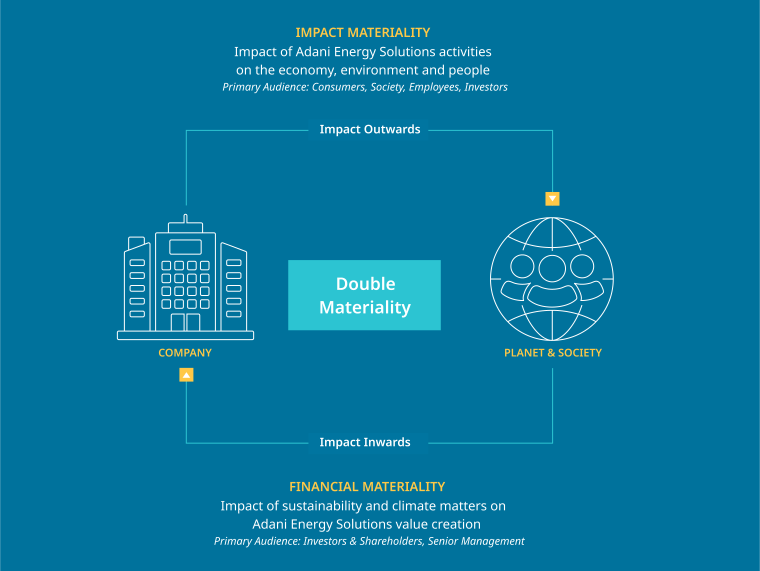
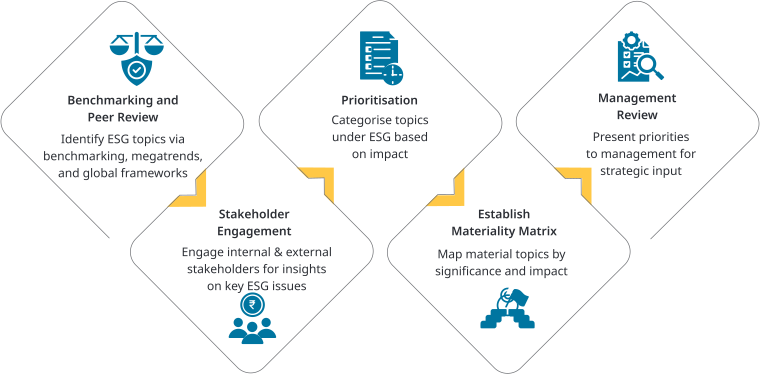
Approach to Materiality Assessment
Our first Double Materiality Assessment began in FY 2023-24 followed by review in FY 2024-25, during which we revisited material topics through extensive internal engagement and identified 16 key material issues to focus on.
Key Factors Considered
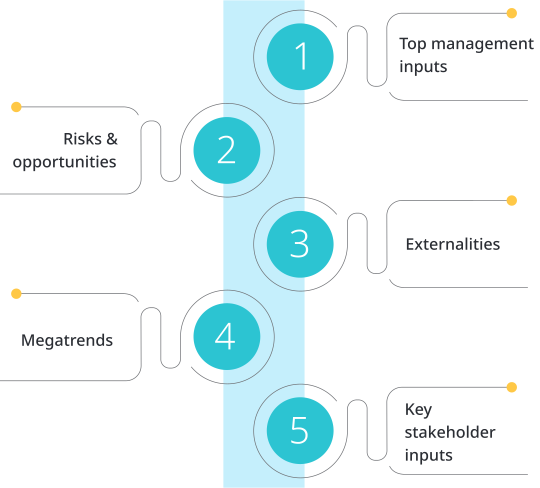
Megatrends Considered
- Climate change
- Transition to clean energy
- Diversity, equity & inclusion
- Technology trends in the power industry
- Business model transition
- Digital transformation & innovation
- Geopolitical and geoeconomic forces
- Cybersecurity
- Regulations
- Transforming consumer & societal behaviour and preferences
Mapping What Matters the Most
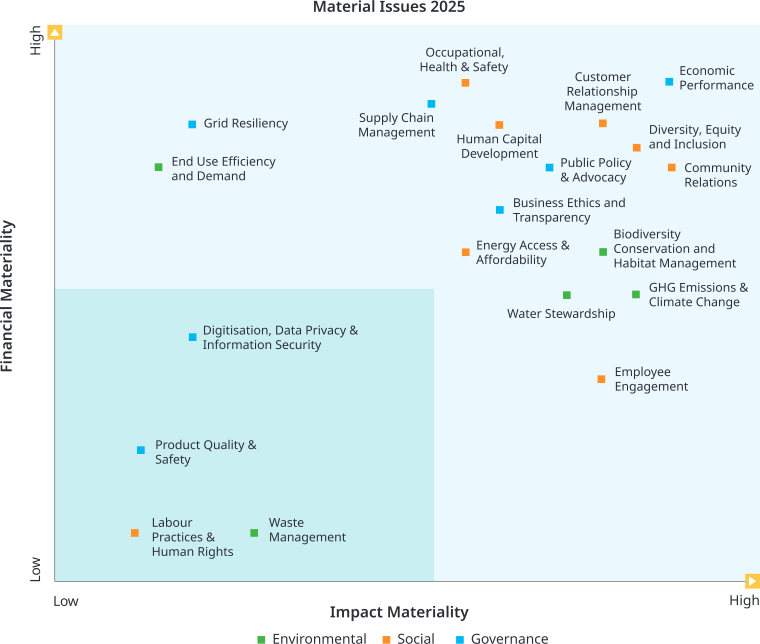
Addressing High Priority Material Matters
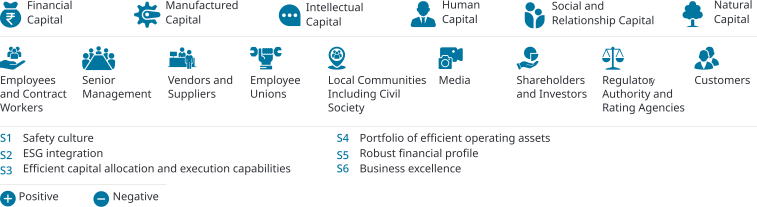
We refine material assessments by mapping the six capitals and strategies from the reporting period. This strengthens decision-making and ensures inclusivity across value creation aspects. The legends below align high-priority material matters with the six capitals and strategies.