×

Stakeholder engagement

Resilience through shared purpose and stakeholder trust

Stakeholders are catalysts for transformative growth, driving our market perception and position as India’s leading transport utility.
We maintain ongoing engagements to address their material concerns and embed their insights into decision-making. These efforts strengthen our relations and reinforce business resilience, contributing to shared value creation and progress for all.

Approach to Building Stronger Stakeholder Connections

Understanding our Stakeholders

We identify and assess each stakeholder group to understand their expectations, needs and concerns, and their potential contributions to our shared objectives

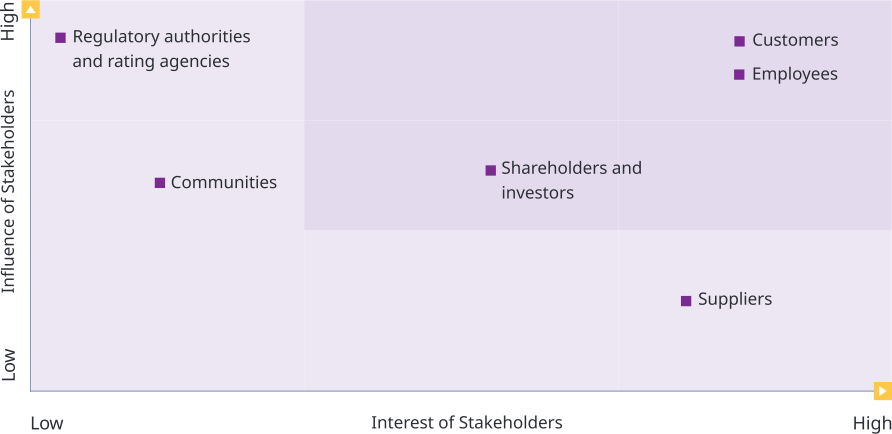
Stakeholder Prioritisation

We evaluate the stakeholders’ influence and impact on our business and vice versa, and accordingly optimise engagement and resources towards the most impactful relationships

Dialogue and Collaboration

We develop engagement strategies that reflect stakeholders’ diverse perspectives. Accordingly, we create platforms for open dialogue, feedback and participation which drive transparency

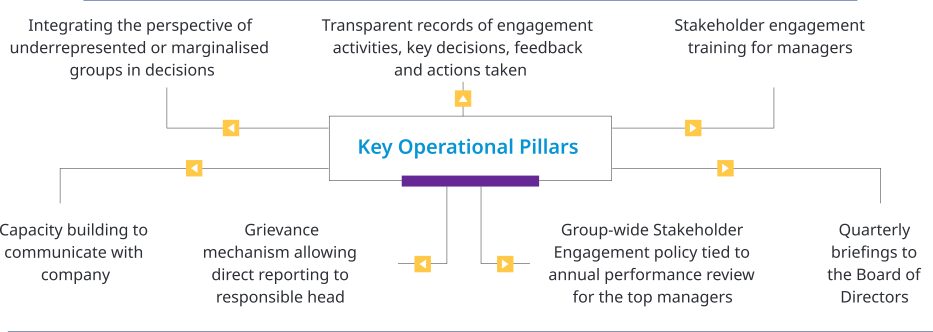
Governance and Accountability:

Head ESG and Investor Relations

Stakeholder Importance

Stakeholder-Centric Strategies for Meaningful Impact

Investors and Shareholders

Stakeholder Importance

They provide us with capital essential for business growth and strategic ambitions. Our engagement ensures alignment of business trajectory with their priorities, thereby securing resources and building trust.

Their Needs and Expectations

Value Creation:

  • Dividends, share price appreciation and profitability
  • Prudent capital allocation and debt management
  • Financial stability and growth prospects

Sustainable Operations:

  • Climate-resilient operation and ESG leadership
  • Ethical practices and regulatory compliance

Related Material Themes

M1
M6
M12
M13
M15
M17

Capitals Impacted

Methods of Engagement and Frequency

  • Investor/analyst meets/conference calls, AGMs, one-on-one discussions, quarterly results, annual reports, media releases, stock exchange (SE) intimation, company/SE website, email

Frequency:

Quarterly, as and when required

How We Create or Preserve Value

  • Expanded offerings as Integrated Transport Utility to diversify growth
  • Committed ₹13,715 crore capex for organic and inorganic expansion
    • Closed Gopalpur Port acquisition. Acquired Astro Offshore
    • Enhanced logistics infrastructure, including launching new technology-driven Trucking Management Solution and International Freight Network services
    • Capacity expansion across existing ports
    • Began commercial operations at Vizhinjam Port and O&M operations at Syama Prasad Mookerjee Port’s Netaji Subhas dock
  • Commenced operations at the Colombo West International Terminal (CWIT), located within Colombo Port
  • Optimised net debt/EBITDA at 1.9x
  • Progress on ESG rankings

₹11,061 crore

PAT 37% (all-time high)

₹7

Dividend per share

15 %

ROCE

Financial Capital

Intellectual Capital

Natural Capital

Manufactured Capital

Human Capital

Social and Relationship Capital

  • M1 Climate change
  • M2 Biodiversity and land use
  • M3 Water and Wastewater Management
  • M4 Waste management
  • M5 Air Quality Management
  • M6 Human Rights
  • M7 Community Relations
  • M8 Employee Engagement
  • M9 Occupational health & safety
  • M10 Customer Satisfaction
  • M11 Diversity Equity and Inclusion
  • M12 Labour Relations Management
  • M13 Business Ethics
  • M14 Data Privacy and Security
  • M15 Risk Management
  • M16 Supply Chain Management
  • M17 Regulatory Compliance
  • M18 Geopolitical Risks
  • M19 Digital Inequality

Customers

Stakeholder Importance

They give us business, essential for our growth and success. Their insights and evolving needs also inspire innovation and co-creation of solutions that drive satisfaction, trust, and mutual value

Their Needs and Expectations

Agile Solutions

  • Integrated offerings, with cost-optimised and high-quality services
  • Solutions for evolving requirements

Transparency and Efficiency

  • Clear, actionable information
  • Digital support and simplified process for seamless business interactions

Related Material Themes

M1
M2
M4
M10
M14
M17

Capitals Impacted

Methods of Engagement and Frequency

  • Distributor/retailer/direct customer/achievers meet, senior leader conferences, joint BD plans, customer survey, reports, brochures, website, emails, customer helpdesk/support cells/ feedback mechanism

Frequency:

Quarterly and annual

How We Create or Preserve Value

Proactive Partnership

  • Delivering tech-enabled integrated transport solutions with excellent service quality and financial outcomes
  • Assistance in adhering to berthing, logistics and regulatory guidelines
  • Providing land bank for industrial cluster development

Insight to Action

  • Surveys to assess clients’ EHS systems and ESG targets
  • Ensuring responsiveness to needs
  • Refining systems and processes per feedback

450 MMT

Cargo handled in a cost-effective and efficient manner

Financial Capital

Intellectual Capital

Natural Capital

Manufactured Capital

Human Capital

Social and Relationship Capital

  • M1 Climate change
  • M2 Biodiversity and land use
  • M3 Water and Wastewater Management
  • M4 Waste management
  • M5 Air Quality Management
  • M6 Human Rights
  • M7 Community Relations
  • M8 Employee Engagement
  • M9 Occupational health & safety
  • M10 Customer Satisfaction
  • M11 Diversity Equity and Inclusion
  • M12 Labour Relations Management
  • M13 Business Ethics
  • M14 Data Privacy and Security
  • M15 Risk Management
  • M16 Supply Chain Management
  • M17 Regulatory Compliance
  • M18 Geopolitical Risks
  • M19 Digital Inequality

Employees

Stakeholder Importance

Employees are the mainstay of our operations and customer relationship management. Their growth and development are key to our operational excellence and collective success.

Their Needs and Expectations

Health and Wellness

  • Health, safety, diversity and inclusion initiatives
  • Addressing human rights issues
  • Industry standard compensation, health benefits and wellness initiatives

Career Advancement

  • Training and skill development
  • Transparent career/performance discussions and leadership development

Related Material Themes

M6
M8
M9
M13
M17

Capitals Impacted

Methods of Engagement and Frequency

  • Town Hall meetings, one-on-one interactions, wellness/training programmes, employee/human rights survey, magazines, brochures, reports, intranet, website, e-mails, digital grievance mechanisms and HR portals

Frequency:

Ongoing with structured periodic reviews

How We Create or Preserve Value

Employee Growth and Development

  • A comprehensive 10-manday training programme conducted, ensuring all workforce members receive essential safety, technical, and soft skills development
  • Completed performance/career development reviews of 100% employees

Holistic Well-being

  • Providing comprehensive compensation and benefits package
  • Conducted health camps (mental and physical) and engagement programs
  • Great Place to Work for consecutive 5th year in a row

4/5

Employee satisfaction score

₹98 crore

Invested in employee/workers' well-being measures, training and development

Financial Capital

Intellectual Capital

Natural Capital

Manufactured Capital

Human Capital

Social and Relationship Capital

  • M1 Climate change,
  • M2 Biodiversity and land use
  • M3 Water and Wastewater Management
  • M4 Waste managementr
  • M5 Air Quality Management
  • M6 Human Rights
  • M7 Community Relations
  • M8 Employee Engagement
  • M9 Occupational health & safety
  • M10 Customer Satisfaction
  • M11 Diversity Equity and Inclusion
  • M12 Labour Relations Management
  • M13 Business Ethics
  • M14 Data Privacy and Security
  • M15 Risk Management
  • M16 Supply Chain Management
  • M17 Regulatory Compliance
  • M18 Geopolitical Risks
  • M19 Digital Inequality

Suppliers

Stakeholder Importance

A critical part of our value chain, they help ensure operational resilience and sustainable sourcing. Our engagement ensures mutual alignment with business goals while enabling sustainable, efficient operations

Their Needs and Expectations

Ethical Practices

  • Ethical and fair practices, transparency in contracts
  • Human Rights, anti-bribery and anti-corruption compliance
  • ESG consideration and support in implementation

Business Support

  • Sustained business opportunity for quality supply
  • Timely payments and training for performance improvement
  • Collaboration, digitalisation and Infrastructure support

Related Material Themes

M1
M6
M9
M16
M17

Capitals Impacted

Methods of Engagement and Frequency

  • Prequalification/vetting, MoU and framework agreements, communication and partnership meets/workshops, plant visits, online survey, e-mails, ESG/human rights assessment, online grievance mechanism, direct interaction, reports and website

Frequency:

Monthly, quarterly, annually, as and when required

How We Create or Preserve Value

Robust Policies and Guidelines

  • Robust supplier code of conduct, onboarding process and supply chain management practices

Capacity Building

  • 67% of the supplier assessed for via desktop/on-site assessment
  • Suraksha Samvad sessions (safety awareness) and Sampark initiative for aligning suppliers with APSEZ’s vision and goals

206

No. of Significant Tier-1 Suppliers

71%

Procurement from Significant Tier-1 Suppliers

6,442

No. of Tier-1 Suppliers

Financial Capital

Intellectual Capital

Natural Capital

Manufactured Capital

Human Capital

Social and Relationship Capital

  • M1 Climate change,
  • M2 Biodiversity and land use
  • M3 Water and Wastewater Management
  • M4 Waste managementr
  • M5 Air Quality Management
  • M6 Human Rights
  • M7 Community Relations
  • M8 Employee Engagement
  • M9 Occupational health & safety
  • M10 Customer Satisfaction
  • M11 Diversity Equity and Inclusion
  • M12 Labour Relations Management
  • M13 Business Ethics
  • M14 Data Privacy and Security
  • M15 Risk Management
  • M16 Supply Chain Management
  • M17 Regulatory Compliance
  • M18 Geopolitical Risks
  • M19 Digital Inequality

Community

Stakeholder Importance

They grant us the social licence to operate. Their trust and well-being are integral to our long-term success. Our engagements ensure understanding and addressing their concerns to build cordial relations.

Their Needs and Expectations

Community Development

  • Vocational training and local employment opportunities
  • Driving local development
  • Access to healthcare and clean water initiatives

Environmental Care

  • Responsible use of shared resources
  • Environment and biodiversity conservation

Related Material Themes

M1
M2
M3
M4
M7
M12
M15

Capitals Impacted

Methods of Engagement and Frequency

Community visits and projects, partnership with local charities, volunteerism, seminars/conferences, perception surveys, impact assessments, group and one-to-one interactions/meetings, media, website and online grievance mechanism

Frequency:

Monthly, quarterly, annually, as and when required

How We Create or Preserve Value

Inclusive Development

  • Programs covering education, health, sustainable livelihood, climate action, skill development and community infrastructure creation
  • Engagement programs are applied at all operational sites

Trust Through Accountability

  • Conducted local stakeholder or community impact assessment and regular surveys/perception reviews on engagement strategy
  • Ongoing identification of emerging key concerns
  • Proactive tracking and redressal of grievances

₹117 crore

Total CSR spend

8.6 lakhs

Direct beneficiaries

Financial Capital

Intellectual Capital

Natural Capital

Manufactured Capital

Human Capital

Social and Relationship Capital

  • M1 Climate change,
  • M2 Biodiversity and land use
  • M3 Water and Wastewater Management
  • M4 Waste managementr
  • M5 Air Quality Management
  • M6 Human Rights
  • M7 Community Relations
  • M8 Employee Engagement
  • M9 Occupational health & safety
  • M10 Customer Satisfaction
  • M11 Diversity Equity and Inclusion
  • M12 Labour Relations Management
  • M13 Business Ethics
  • M14 Data Privacy and Security
  • M15 Risk Management
  • M16 Supply Chain Management
  • M17 Regulatory Compliance
  • M18 Geopolitical Risks
  • M19 Digital Inequality

Regulatory Authority and Rating Agencies

Stakeholder Importance

Regulatory authorities frame policies, and rating agencies assess our financial strength. Our engagements help ensure compliance and a sustainable business environment and enhance our credibility and market confidence

Their Needs and Expectations

Transparency and Compliance

  • Timely submissions of tax filings, audit reports, and sustainability disclosures including action on climate change
  • Adherence to compliance and human rights practices

Collaborative Dialogues

  • Support and feedback on business performance
  • Policy feedback sessions, presentations, and regulatory conferences

Related Material Themes

M1
M2
M3
M4
M5
M6
M9
M13
M15
M17

Capitals Impacted

Methods of Engagement and Frequency

Reports, website, online applications, presentations, one-to-one interaction, events, e-mails, letters and meetings

Frequency:

Annually, as and when required

How We Create or Preserve Value

Regulatory Adherence

  • No delays in tax payments and non-compliance penalties across all operational regions
  • Transparent and timely communication of performance, prospects and sustainability disclosures

Trusted Partnerships

  • Collaborative working with regulatory and adoption of evolving regulatory frameworks
  • Maintained top-notch credit ratings through transparent disclosures on business performance and strategy

₹10,438 crore

Total tax contribution to the exchequer

Zero

Instances of regulatory non-compliances

Financial Capital

Intellectual Capital

Natural Capital

Manufactured Capital

Human Capital

Social and Relationship Capital

  • M1 Climate change,
  • M2 Biodiversity and land use
  • M3 Water and Wastewater Management
  • M4 Waste managementr
  • M5 Air Quality Management
  • M6 Human Rights
  • M7 Community Relations
  • M8 Employee Engagement
  • M9 Occupational health & safety
  • M10 Customer Satisfaction
  • M11 Diversity Equity and Inclusion
  • M12 Labour Relations Management
  • M13 Business Ethics
  • M14 Data Privacy and Security
  • M15 Risk Management
  • M16 Supply Chain Management
  • M17 Regulatory Compliance
  • M18 Geopolitical Risks
  • M19 Digital Inequality

Key Highlights:

Investors Engagement:

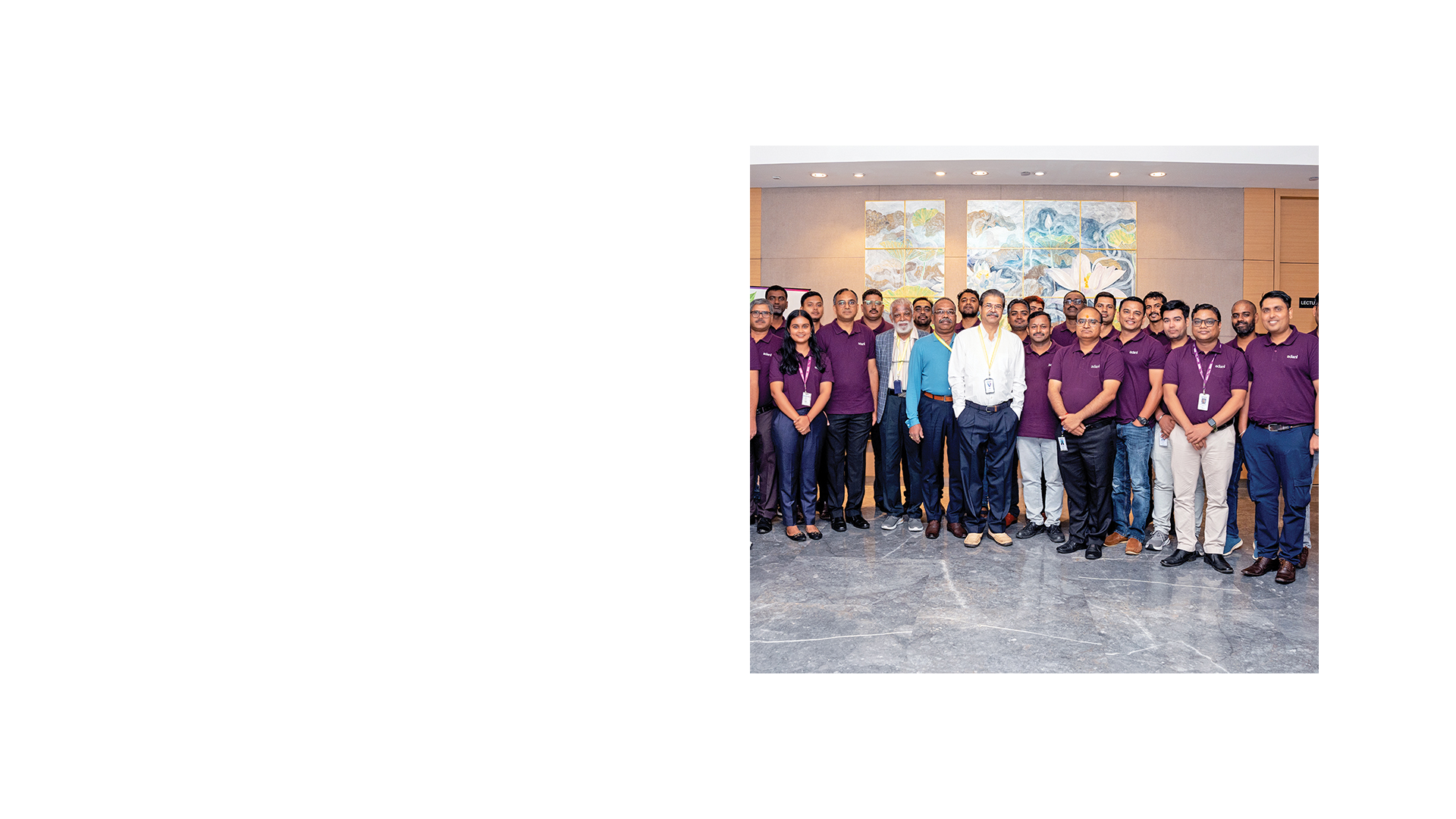
On November 29, 2024, APSEZ held its first Investor Day. It involved engaging with investors and showcasing Vizhinjam, South Asia’s first automated port. This deep-water container transshipment port leverages cutting-edge technology to streamline operations, reduce turnaround times, and enhance productivity. The event saw significant participation from analysts and investors from across the globe.

The Q&A sessions covered a range of topics, including APSEZ's growth strategy by location and commodity, the interplay between ports and logistics businesses, and plans for capital expenditure, debt maturity, and debt refinancing. Discussions also delved into APSEZ's logistics strategy, focussing on market share, profitability, asset pay-back periods, competitive advantages, and associated risks. Additionally, APSEZ's international strategy and marine assets forecast were key points of interest.
Customer Engagement:

On December 20, 2024, Karaikal Port hosted a Trade Meet in Puducherry, in the presence of Hon'ble Lt Governor of Puducherry Sh K. Kailashnathan as the Chief Guest. We took this opportunity to express our heartfelt gratitude to our esteemed customers and vessel agents. Their unwavering support has been instrumental in the growth and success of Karaikal Port.

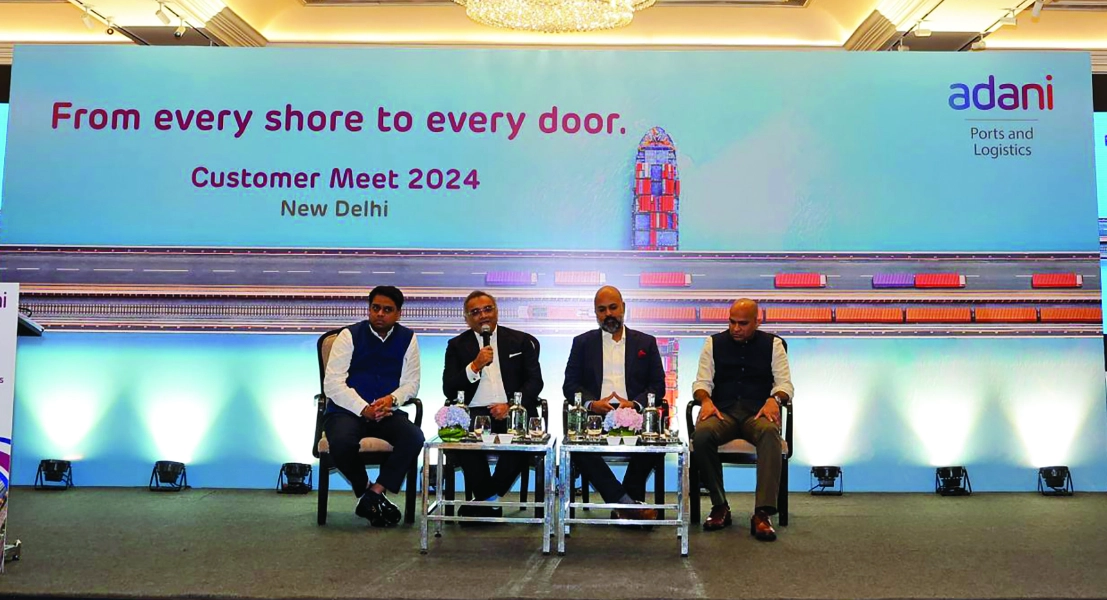
We also organised a customer meet in Delhi-NCR to highlight our presence in the northern region and showcase our shore-to-door facilities. We shared insights into our robust infrastructure, including state-of-the-art ports and efficient inland logistics hubs.
Supplier Engagement:

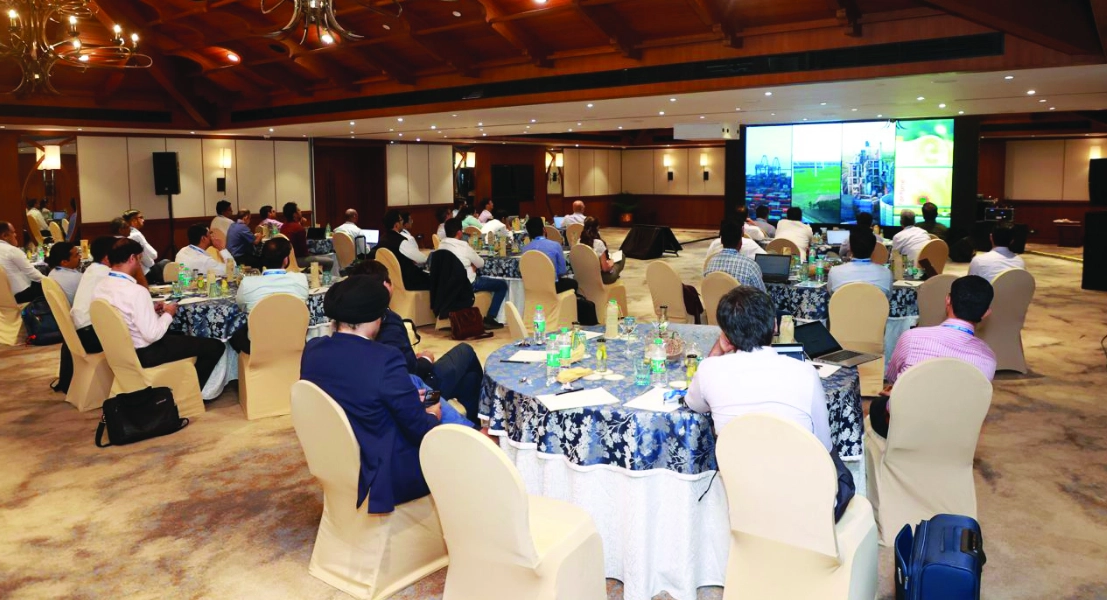
APSEZ fosters strong supplier relationships through initiatives like Suraksha Samvad and Sampark. Suraksha Samvad sessions enhance safety awareness, providing comprehensive training on safety protocols and best practices. Sampark aligns suppliers with APSEZ’s vision and goals through regular meetings and workshops, sharing strategic objectives and operational standards.
Employees Engagement:

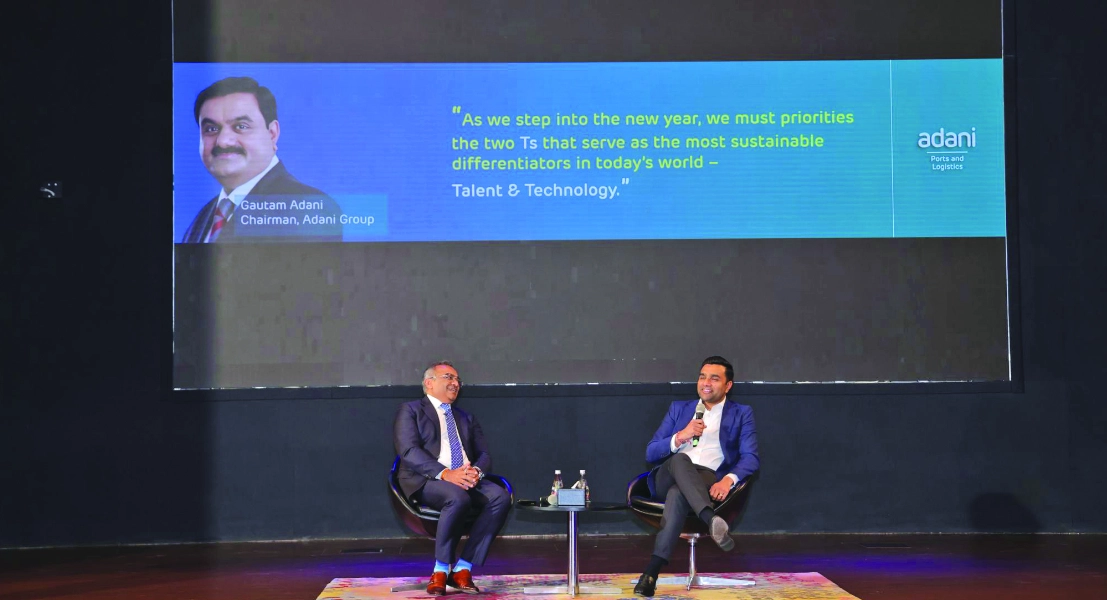
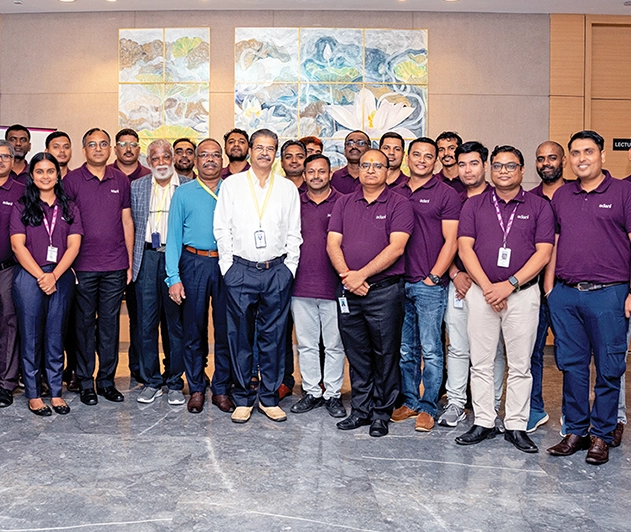
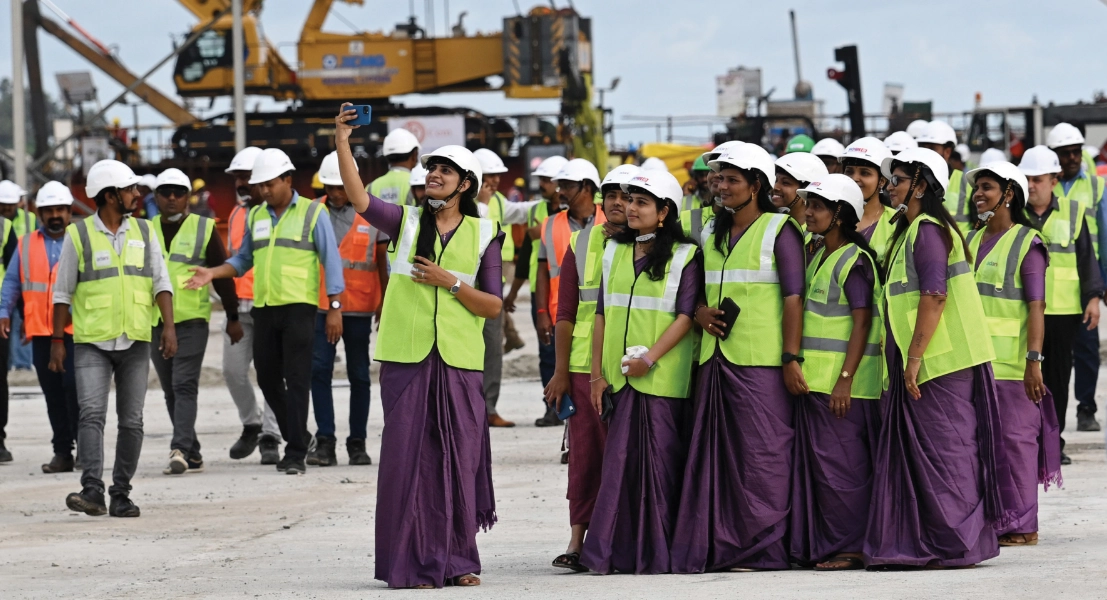
At APSEZ, we actively foster a culture of transparency and collaboration through regular townhall meetings. Our leadership team engages directly with employees, sharing strategic updates, celebrating milestones, and addressing questions in real time. These sessions empower employees to voice their ideas and concerns, reinforcing a sense of belonging and shared purpose

We encourage participation through interactive Q&A segments and recognition of team achievements. By creating an open forum for dialogue, we strengthen trust, boost morale, and align our workforce with the company’s vision and values.