We follow an extensive and inclusive approach to the protection and sustainable utilisation of the resources provided by nature through the oceans, seas, marine resources and terrestrial ecosystems. Our initiatives in this arena are focussed on protecting and restoring these ecosystems and promoting their sustainable use. Responsible management of mangroves, initiatives to protect biodiversity, and reversal of land degradation are some of the key aspects of our biodiversity conservation thrust.
Policies and partnerships at the core
Environmental Policy
We follow well-defined guiding principles that emphasise environmental sustainability and steer the integration of biodiversity conservation into our operations.
 Read
our
Read
ourBiodiversity Policy
It prioritises biodiversity enhancement & conservation of ecologically sensitive areas while aiming for a Net Positive Impact (NPI) and alignment with the Convention on Biological Diversity to harmonise with nature by 2050.
International Biodiversity and Business Initiative (IBBI) Signatory
This demonstrates our global commitment to biodiversity
Member of the International Union for Conservation of Nature (IUCN)
Our IUCN membership echoes our alignment with the global conservation standards and practices
Alignment with National and International Conservation Association
We have aligned our ports to the Oil Spill Action Plan, in line with the National Oil Spill Disaster Contingency Plan (NOS-DCP), International Petroleum Industry Environmental Conservation Association
Numbers that Matter (FY 2024-25)
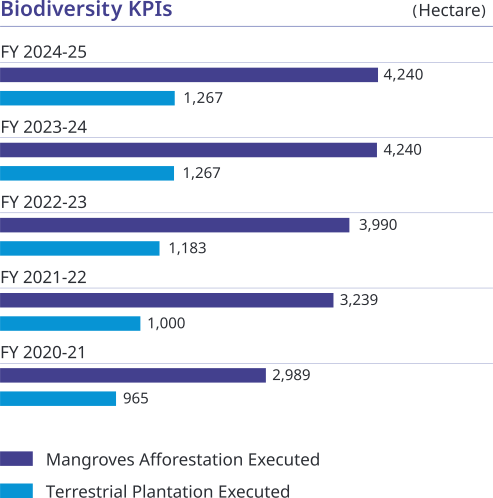
4,240 hectares
Mangrove Afforestation Executed
1,267 hectares
Terrestrial Plantation Executed
3,042 hectares
Mangrove Conservation
11,11,334
KL of wastewater reused for horticulture projects
4,99,871
square metres of lawn area Green Carpet
Material Topics
- M1
- M2
- M3
SDGs Aligned
Capitals Impacted

GRI Linkage
304
Our efforts underscore our commitment to nurturing biodiversity, conserving ecosystems, and promoting sustainable development across operations.

Natural Capital

Financial Capital

Social and Relationship Capital
- M3Climate change
- M1Biodiversity & land use
- M2Natural disaster & extreme weather
Towards net positive impact on biodiversity by 2050

Targets
- Attain a Net Positive Impact (NPI) by 2050
- No Net Deforestation by 2050 in the areas of our operation

Policy and Plans
- Biodiversity Policy – a comprehensive policy ratified by our Board, guiding our efforts to minimise environmental impacts across our operations
- Biodiversity Management Plans – important for identifying high-priority conservation areas and establishing risk mitigation strategies within the mitigation hierarchy framework

Approach
- Working towards No Net Loss (NNL) of biodiversity as an initial milestone
- Striving to go beyond compensation through conservation and restoration initiatives to foster net gain in biodiversity
- Working towards living in harmony with nature by 2050 by aligning our biodiversity and environmental commitments with the principles of the 'Post-2020 Global Biodiversity Framework' and the vision of the Convention on Biological Diversity
- Avoiding eco-sensitive areas, areas such as IUCN categories I-IV protected areas, UNESCO World Heritage Sites, and wetlands listed under the Ramsar Convention
- Undertaking annual assessment of the biodiversity aspects of our value chains with the objective of appreciating their materiality related to biodiversity
- Seeking to align our supply chains with our biodiversity policy

Biodiversity Management Objectives
- Promoting sustainable land and natural resource management, and harmonising conservation efforts with development needs throughout the lifecycle of APSEZ's projects
- Implementing strong measures to avoid or minimise direct and indirect impacts on land use, and terrestrial and aquatic habitats, including but not limited to, shoreline vegetation, wetlands, coral reefs, fisheries, bird life, and other sensitive habitats
- Protecting and enhancing biodiversity and ecosystem services within and around APSEZ project sites
- Fostering environmental conservation through the accumulation and dissemination of knowledge, leveraging multi-stakeholder partnerships
Our biodiversity strategy
Our commitment to biodiversity conservation extends across all our operations, and we continue to work actively towards making a positive impact on the community and the environment. We are cognisant of the potential biodiversity-related risks associated with our operations. We have consciously ensured that none of our operational sites are located in identified biodiversity hotspots or protected areas.
Approach to Biodiversity Strategy

Annual Engagement
with both internal and external stakeholders to deliberate on biodiversity topics, ensuring that we stay informed and aligned with best practices.

Board-Level Commitment
led by our Board Level Corporate Responsibility Committee, which plays a vital role in steering our biodiversity agenda; we treat biodiversity as integral to our business operations and our Board has complete knowledge about the terms of reference related to managing biodiversity aspects, ensuring compliance and responsible practices.

Sustainability Leadership
managed by our cross-functional Sustainability Leadership Committee (SLC), which is chaired by the CEO and ensures the operationalisation of sustainability as a core component of our overall strategy.

Site-Level Implementation
of our sustainability strategy, is ensured through the Sustainability Steering Committee (SSC), supported actively by the department heads.
Our biodiversity commitments / targets
Long-Term Targets
- Net Positive Impact on biodiversity across all the operational sites by 2050
- No Net Deforestation by 2050
- Engage with 100% of our critical suppliers for biodiversity conservation measures
| Short-Term Targets | Achievements Against Target |
|---|---|
| 1. Mangrove plantation 5,000 Ha. by 2025 | 4,240 Ha. (the work is in progress) |
| 2. Terrestrial plantation 1,200 Ha. by 2025 | 1,267 Ha. already achieved in FY 2023–24 |
| 3. Engage in community-based initiatives | Launched Adani Van and Vruksh Se Vikas community-based initiative |