- We at APSEZ have implement community engagement programmes
across all our operations in alignment with our stakeholder engagement policy,
ensuring the identification and involvement of affected communities and a diverse
range of local stakeholders. In accordance with our guidelines, we do not operate in
protected regions, particularly indigenous territories. Our impact assessments
prioritize vulnerable groups, including indigenous communities
- Additionally, we uphold transparency and ethical practices,
reinforced by an accessible complaints and grievance mechanism to promptly address
community concerns, with full endorsement from the Board of Directors
Engagement & Grievance Mechanism
- Regular consultations, public meetings, and feedback
channels
- A transparent grievance mechanism to address concerns
efficiently
- Board-endorsed commitment to ethical practices and
transparency
Precautionary Approach & Impact Assessment
- Need-Based Assessments guide management plans
and community consultations
- Comprehensive Impact Assessments include
demographic, cultural, and environmental considerations before new projects,
mergers, or acquisitions
- Adherence to UN Universal Declaration of Human
Rights, ensuring Free, Prior, and Informed Consent (FPIC) for
indigenous communities
Transparent Communication & Capacity Building
- Clear, accessible communication channels and a dedicated
community liaison officer
- Training on communication, conflict resolution, and
environmental conservation
- Partnerships with local educational institutions and
community organisations
Ongoing Stakeholder Engagement
- Regular surveys to assess satisfaction and
concerns
- Proactive meetings to identify emerging issues
and incorporate community input
Assessing Impact of Our Operations on the Communities
(GRI 413-1 and 413-2)
Stakeholder Consultation and Engagement in Project Planning and
Implementation
(GRI 2-24, 2-25, 2-26 and 2-29)
Supporting Vulnerable Communities
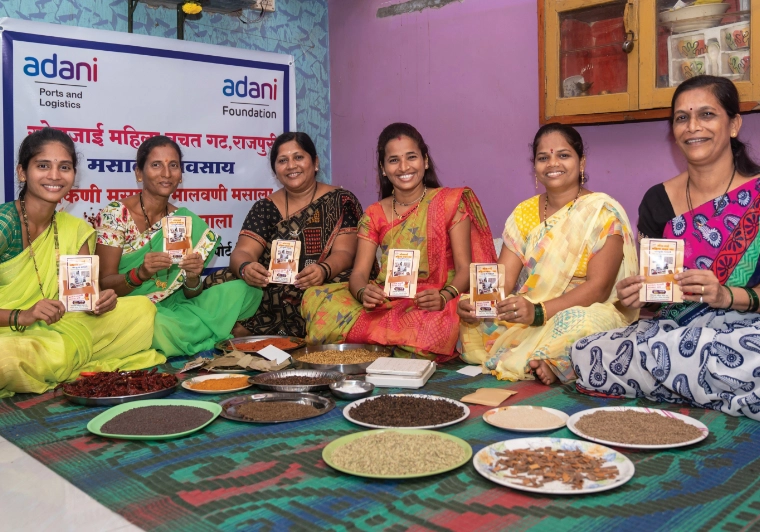
Through the Adani Foundation, we implement various initiatives aimed
at the socio-economic empowerment of women. Our efforts also focus on integrating
specially-abled persons into the mainstream, enabling them to lead lives of dignity and
independence. Key women empowerment initiatives include CHETNA – a gender diversity
program, a menstrual hygiene initiative, and the Pink Toilet Initiative.