




d) Energy Performance
At APSEZ, we have prioritised effective energy management to steer our climate change strategy. The contribution of energy consumption to the greenhouse gas (GHG) emissions underscores the importance of optimal energy usage. Further, in view of the significant impact of energy expenditures on our operational costs, we realise the importance of efficient energy management for ensuring cost-effectiveness. All our operating ports and our two joint ventures (AICTPL and ACMTPL) are certified with Energy Management System (ISO 50001:2018).
- Our efforts are geared towards consistent reduction in our energy consumption intensity. We ensure precise monitoring and management of energy use by employing a comprehensive system for data collection and analysis for predefined energy consumption KPIs. This helps in the identification and rectification of irregularities across all sites
- To promote energy optimisation, we also undertake regular energy audits, setting of quantified energy saving targets, implementation of reduction actions, continuous evaluation of progress, utilisation of clean energy, investment in innovative technologies to decrease energy consumption, and training of employees on energy efficiency
- An annual surveillance audit is conducted at APSEZ under Energy Management System (ISO 50001:2018) to assess the progress made against the various objectives and targets on energy consumption, determine the areas of significant energy use, and identify the opportunities for improvement in energy performance
Our energy management initiatives are focused on:
- Developing and enhancing our operational energy (RE) conservation capacity.
- Exploring new initiatives to harness renewable energy sources for boosting our ability to minimise the environmental impacts of our business.
- Bolstering our operational energy conservation capabilities.
- Finding new and impactful ways to increase utilisation of RE sources in our operations.
Besides being imperative for our climate change agenda, these measures are important for controlling our operational costs. Our energy management initiatives over the last few years have led to a constant decline in our energy consumption intensity. Continuous monitoring of the energy consumption KPIs across our sites ensures sustained progress on this count. We deploy a process of systematic data collection and analysis in energy consumption to track the key KPIs

As essential commodities handlers, we adhere to each country's energy requirements, including their renewable energy transition targets.
Energy Management Strategy
At APSEZ, we have adopted a multi-pronged energy management strategy, centred around:
Spreading awareness and implementing strict monitoring measures to boost the energy efficiency of our operations
Adoption of advanced, new technologies
Use of alternative fuels to minimise carbon footprint
Electrification of equipment and machines
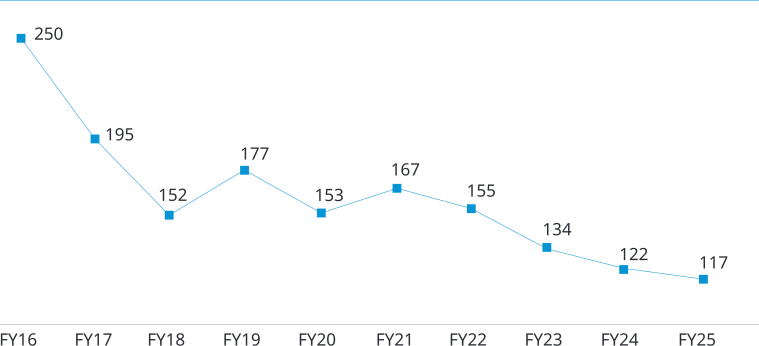
In FY 2024-25 the total energy consumption at APSEZ stood at 3,790 TJ, which was 10% more than FY 2024-25. This was due to the addition of the Vizhinjam, Gopalpur and Tanzania ports. However, the energy intensity of our operations saw a decline from 122 GJ/crore to 117 GJ/crore.
Total Energy Consumption (TJ)
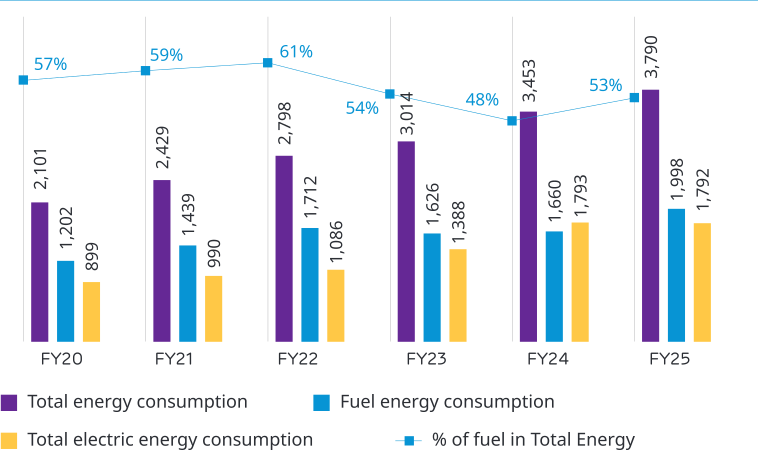
Note: 100% data coverage
Our energy consumption increased
marginally by 10% in FY 2024-25.
Note: Additional sites Vizhinjam,
Gopalpur and Tanzania ports.
Material-Wise Energy Consumption (GJ)
Total Electricity Consumption (TJ)
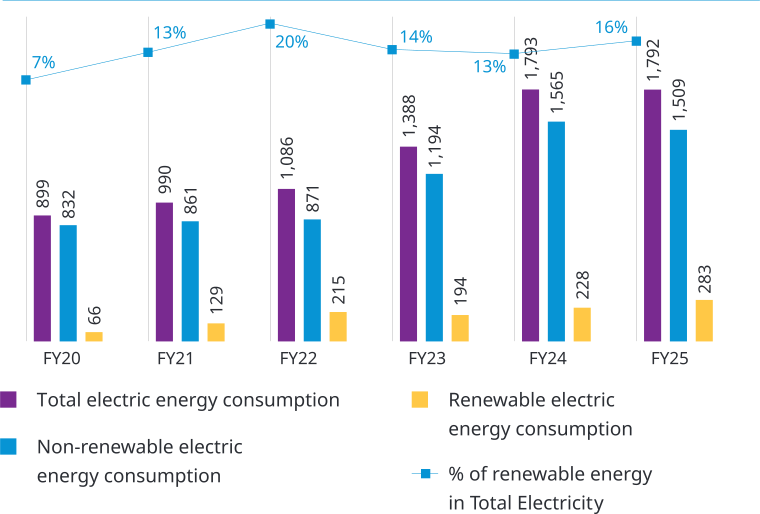
In line with our sustainability goals, we have set a target to reach 100% of total electricity consumption from renewable energy sources by 2025. In FY 2024-25, we achieved a notable 16% of RE consumption, underscoring our commitment to the realisation of our ambitious target, which reflects our determination to reduce our carbon footprint, promote clean energy practices, and contribute to a more sustainable future.
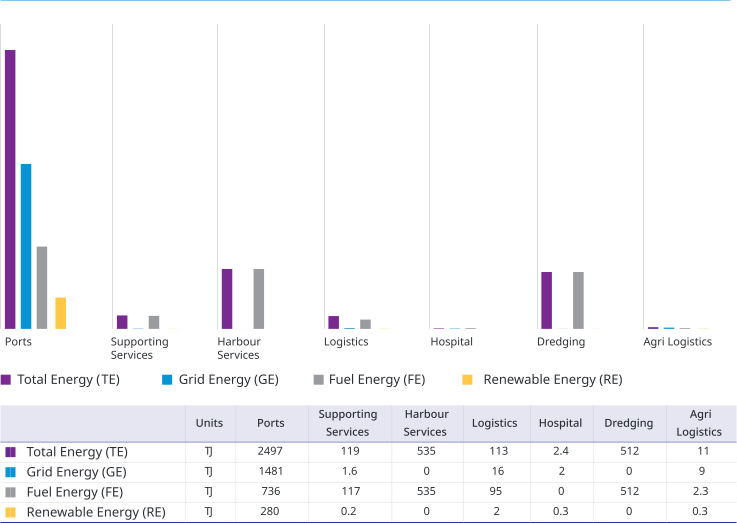
BU-Wise Energy Consumption (TJ)
Energy Intensity (GJ/crore)
Energy Reduction Measures Across Value Chain
To boost the energy efficiency at our ports, we have implemented various technological and operational measures, some of which help directly in energy efficiency enhancement while others lead to improvements that drive energy efficiency.
Conventional lights have been replaced with high-efficiency LED lights on the high mast tower at all the ports in a bid to boost operational efficiency and reduce environmental impact. This has helped improve the visibility and safety within the port premises while leading to significant reduction in energy consumption and carbon emissions.


