


e) Noise Management
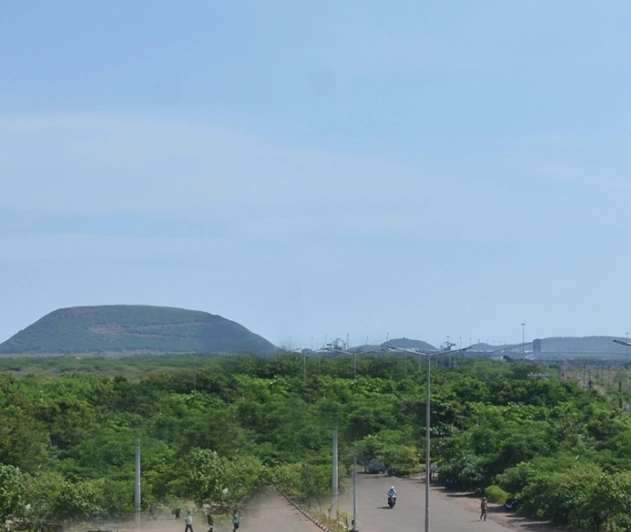
Since our operations are carried out predominantly in remote areas, noise management is not recognised as a primary material concern at APSEZ. However, we are committed to identifying and addressing any potential impacts of noise pollution. Our efforts in this direction encompass:
- Identifying and addressing the impacts of noise pollution
- Reducing noise levels
- Conducting ambient monitoring
- Regularly reporting our findings to regulatory authorities
Regular noise monitoring is mandated in our permits for operating rail and road movements to ensure compliance with regulations.
Impact on Marine Ecosystems
To understand the impact of noise pollution caused by vessel berthing activities and cargo handling on marine ecosystems, we carried out a noise pollution mapping in our port areas. The exercise was aimed at understanding the intensity of noise levels in a given area. A series of other initiatives have also been implemented to monitor and control noise levels during our operations, thereby ensuring that our activities are conducted in an environmentally responsible and sustainable manner.
Key Initiatives
- Ensuring closed engine doors on ships during berthing
- Deploying suitable equipment and sound insulation techniques
- Undertaking regular maintenance of all vehicles and equipment to ensure they operate at optimal noise levels
As part of our efforts to keep the noise levels within the prescribed limits in accordance with our permits, licences, and standards, we conduct noise measurement and reporting activities. The results of our noise monitoring can be accessed on our Company website, as part of our half-yearly EC (Environmental Compliance) report. The results show consistent compliance with the prescribed limits, and we remain committed to ensuring transparency and adherence with noise regulations as part of our environmental conservation strategy.
Noise Management Measures
- Procurement of machinery / construction equipment done in accordance with specifications conforming to source noise levels less than 75 dB (A)
- Maintenance of all machinery and vehicles ensured, to keep the noise at minimum
- Greenbelt developed along the periphery of the operational area
- Acoustic enclosure for D.G. sets
- Regular maintenance undertaken of plant machineries and equipment conducted
- Suitable techniques, such as acoustic controls, insulation, and vibration dampers, used to practise noise attenuation for noisy equipment
- High noise generating activities, such as piling and drilling, scheduled during the day (6 am to 10pm) to minimise noise impact
- Any equipment emitting high noise, wherever possible, oriented in a way that directs noise away from sensitive receptors
- Suitable PPEs (earplugs/muffs) provided to personnel engaged in construction activity
- Regular ambient noise monitoring done as per the environment monitoring plan
Details of these measures are shared in the Company's semi-annual compliance reports, which are available on our website.


